
CENTCOM Bahrain Security Meeting | 12 Nations Military Chiefs | Strait of Hormuz Shipping - Aaj News
Find out how the CENTCOM Bahrain security meeting, involving 12 nations, shapes Strait of Hormuz shipping and what it means for seafarers.
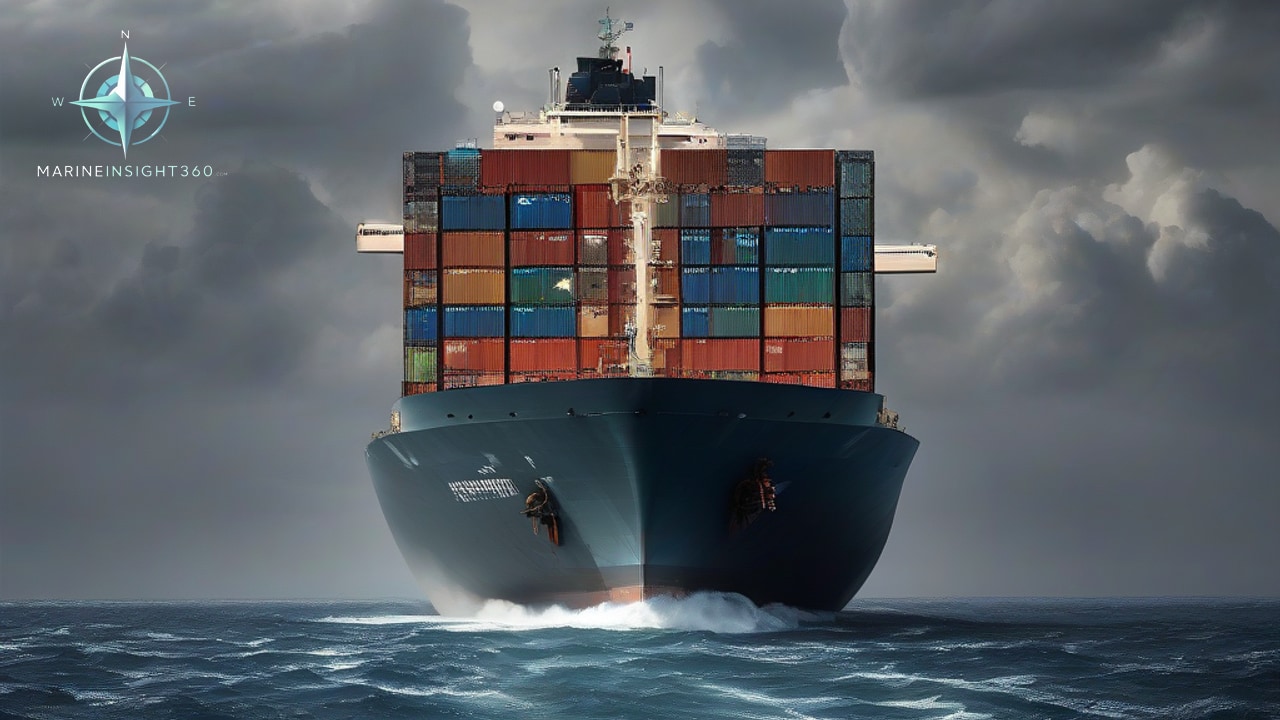
What the CENTCOM Bahrain Security Meeting Means for Shipping in the Strait of Hormuz
The recent CENTCOM‑led dialogue in Bahrain brought together senior defense officials from 12 nations to discuss the security of the Strait of Hormuz. For seafarers, cadets and shipping professionals, the key takeaway is that the meeting could shape the rules governing commercial vessel transit and the risk of military escalation in a critical choke point.
Key Highlights of the Meeting
On Wednesday, the US Central Command (CENTCOM) convened a regional security dialogue in Bahrain. Senior defense officials from 12 countries attended, underscoring the multilateral nature of the effort. The agenda focused on:
- Recent military actions in the region, including CENTCOM’s additional strikes against Iranian targets on 27 June.
- The development of a draft UN Security Council resolution co‑drafted by the United States and Bahrain, calling for Iran to cease attacks on commercial vessels in the Strait of Hormuz.
- Potential sanctions that could be imposed on Iran if the resolution passes.
Recent Military Actions and Their Direct Impact on Shipping
Following the 27 June strikes, the region saw a flare‑up of hostilities. Iran’s retaliatory strikes on Bahrain and Kuwait heightened tensions and threatened the stability of the Strait. The United States and Iran subsequently agreed to pause hostilities, allowing commercial vessels to transit the Strait freely. This pause is crucial for shipping operators, as it temporarily restores a predictable flow of maritime traffic.
Draft Security Council Resolution: What It Means for Commercial Vessels
The US‑Bahrain draft resolution seeks to hold Iran accountable for any attacks on commercial shipping. If adopted, it could lead to:
- Sanctions targeting Iranian maritime infrastructure.
- Increased monitoring of vessels transiting the Strait.
- Potential restrictions on the use of certain shipping lanes.
Shipping companies should monitor the resolution’s progress, as the outcome will influence route planning and insurance premiums.
Preparing for Potential Changes: Practical Steps for Shipping Operators
While the current pause in hostilities offers a window of relative calm, the situation remains fluid. Operators can mitigate risk by:
- Reviewing routing plans: Consider alternative passages if the Strait’s security status deteriorates.
- Updating crew training: Ensure that officers and crew are familiar with emergency procedures for hostile encounters.
- Engaging with maritime security agencies: Maintain open lines of communication with the US Navy and regional maritime authorities.
- Monitoring insurance coverage: Verify that policies cover incidents arising from geopolitical tensions.
Common Misconceptions and Edge Cases
- Misconception: A single resolution automatically guarantees safe passage. Reality: Resolutions can influence policy but do not eliminate the risk of sudden escalation.
- Edge Case: Vessels flagged in countries with close ties to Iran may face heightened scrutiny, even if they are neutral commercial ships.
- Misconception: The pause in hostilities is permanent. Reality: It is a temporary agreement; any shift in diplomatic relations could restart tensions.
Checklist for Seafarers and Shipping Professionals
Before setting sail through the Strait, verify the following:
- Current status of the US‑Bahrain draft resolution.
- Latest intelligence on Iranian naval activity.
- Updated maritime security advisories from the US Department of State.
- Insurance coverage details for high‑risk zones.
- Crew readiness for potential hostile encounters.
Next Steps and Where to Find More Information
Stay informed by consulting Marine Insight 360’s Knowledge Base for up‑to‑date analyses of geopolitical developments affecting maritime routes. If you’re a cadet or new professional, the Marine Machinery section offers guidance on how military actions can impact vessel performance and safety protocols.