Iran blames US after ship runs aground in Hormuz. Here's what shipping data shows
Find out the facts behind the Hormuz grounding, the new Iranian maritime authority, and what it means for shipping operations.
What Happened in the Strait of Hormuz
When a ship runs aground in the Strait of Hormuz, the fallout is navigational and political at once: Iran has tightened the transit corridor and now requires its own permission before a vessel crosses.
On 1 July 2026, the Islamic Republic of Iran Broadcasting (IRIB) announced that a foreign‑flagged cargo ship had run aground while attempting to transit the Strait of Hormuz. The incident has sparked a warning from an Iranian military commander and a flurry of traffic data that points to a broader maritime security concern.
The Incident
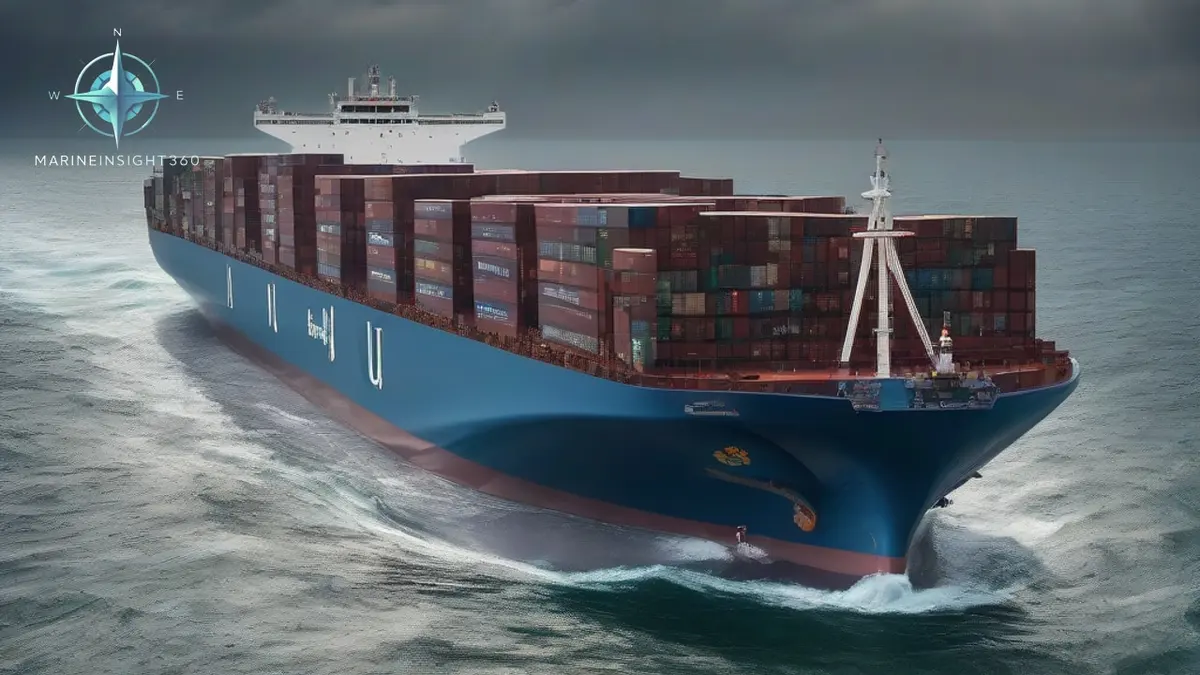
The ship, identified in tracking data as the Arista , has been stuck north of Hormuz Island in Iranian territorial waters since the middle of March. According to marine tracking feeds, the vessel ran aground because the route it chose was too shallow to accommodate its draft. The ship could not continue and was left stranded with its cargo.
Immediate Reactions
Iranian state television reported that the vessel “ran aground with its cargo because of shallow waters along the route it had chosen and was unable to continue.” The Revolutionary Guards added that vessels should transit only through the corridor south of Larak Island, effectively tightening the navigational corridor. In response, an Iranian military commander issued a direct warning against international shipping in the Strait, citing the incident as evidence of the risks involved.
Current Traffic and Permissions
As of Wednesday morning, 42 vessels were present in the key waterway, and 11 ships had transited the strait in the preceding 24 hours. The United States has stated that more than 1,500 vessels remain stranded in the area. In light of the new warning, ships now need to obtain Iranian permission before transiting the strait. Iran has also created a new maritime authority to oversee these operations.
Implications for Seafarers
- Route Planning – Avoid shallow passages that are not listed on official depth charts. The Arista’s choice of a shallow route directly caused the grounding.
- Permission Requirements – With the new Iranian maritime authority in place, obtain clearance before entering the strait. Failure to do so may result in detention or fines.
- Risk Assessment – The warning from Iranian officials indicates heightened political risk. Evaluate whether the benefits of using the strait outweigh the potential for delays or security incidents.
- Salvage and Insurance – Groundings in territorial waters can trigger complex salvage operations. Ensure that insurance coverage addresses the risks of political or environmental complications.
- Communication Protocols – Maintain open lines with the vessel’s master, the shipping line’s operations center, and the new maritime authority. Clear communication can expedite permission and rescue efforts if needed.
Edge Cases and Trade‑Offs
In a region where geopolitical tensions can shift rapidly, operators must balance the economic advantage of the shortest route against the potential for delays or security incidents. For example, if a ship is scheduled to arrive at a port within a tight window, the decision to divert around the strait may incur higher fuel costs but reduce the risk of a grounding or detention.
Conversely, a vessel with a flexible schedule might accept the risk of a tighter corridor if it can secure the required permissions in advance.
Key Takeaways for the Crew and Operations Team
- Verify depth charts and draft limits before setting a course through the strait.
- Secure Iranian clearance through the new maritime authority before departure.
- Stay updated on corridor restrictions, especially the shift to the south of Larak Island.
- Prepare contingency plans for potential groundings, including salvage coordination and insurance claims.
- Maintain clear, documented communication with all stakeholders to ensure swift resolution if an incident occurs.