
Iran, Oman continue discussions on safe shipping through Hormuz
Discover how Iran and Oman’s talks on safe passage through the Strait of Hormuz affect shipping routes, fees, and operational decisions.
What’s Really Happening in the Strait of Hormuz?
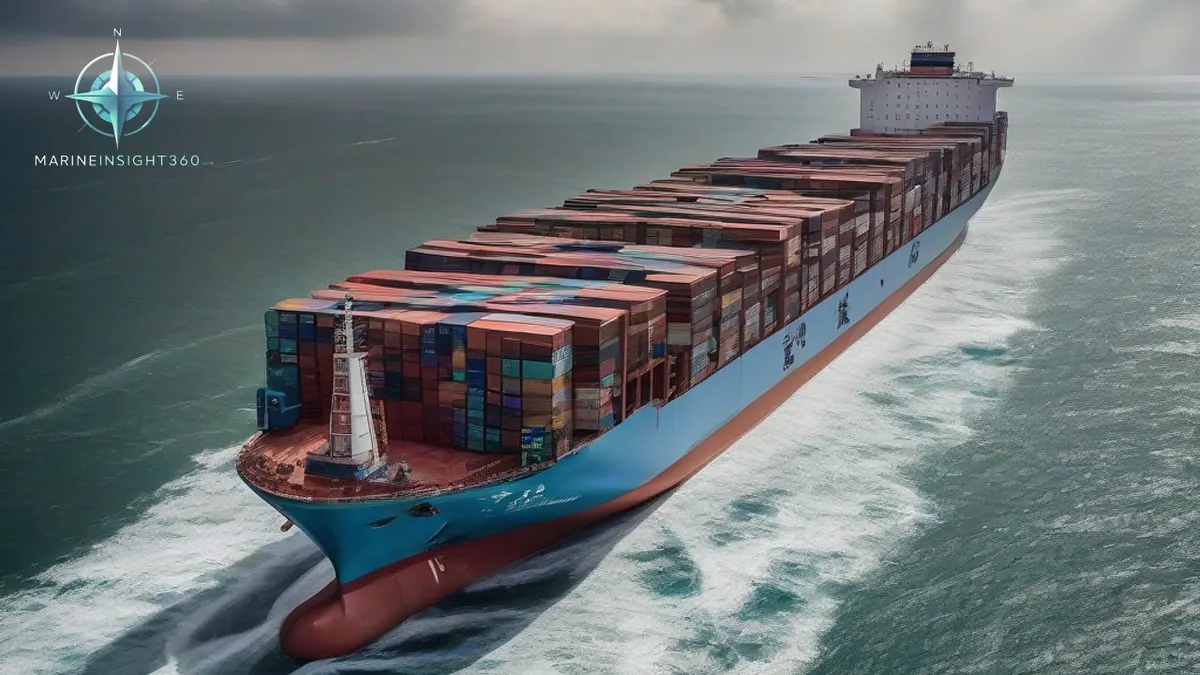
Iran and Oman are holding talks to keep the Strait of Hormuz open for commercial shipping. The dialogue follows a recent U.S. strike on a container ship and Iran’s announcement that it had closed the strait again. Shipping lines now face new questions about route safety, fees, and operational timing.
Why the Strait Matters to Global Trade
The Strait of Hormuz is the world’s narrowest oil corridor, carrying roughly 20 % of global crude exports. A 200‑mile stretch of water between Iran and Oman connects the Persian Gulf to the Gulf of Oman and the Arabian Sea. Because of its strategic importance, any disruption can ripple through global markets and shipping schedules.
Recent Escalations and Diplomatic Moves
On Sunday, a U.S. military strike targeted a container ship after Iran had struck it. Tehran then announced that the strait had been closed again, prompting concern among vessels waiting in the Gulf of Oman. In response, Iran’s Foreign Minister Abbas Araghchi travelled to Oman on Saturday to discuss “appropriate mechanisms” for safe passage.
Both sides reaffirmed their commitment to sovereignty and safe transit. The talks aim to establish a framework that balances security concerns with commercial interests. Iran has proposed allowing ships to exit from the Oman side of the strait, a measure intended to reduce risk for outbound traffic.
Mechanisms Under Discussion
Safe Passage Routes
Iran’s proposal focuses on a clear exit corridor from the Oman side. This would give vessels a defined path that could be monitored and secured by Omani authorities. The idea is to limit the need for vessels to navigate close to Iranian territorial waters.
Transit Fees and Coordination
Both countries are moving forward with plans to collect transit fees from ships passing through the strait. While the exact rates are not yet public, the fee structure will likely mirror existing models used in other chokepoints, such as the Suez Canal. Coordination with other nations is also on the table, potentially linking the fee schedule to U.S. security commitments.
Time‑Bound Security Measures
Iran says it will coordinate with Oman and other nations to ensure safe passage for a specific period tied to U.S. involvement. This suggests a temporary arrangement that could be extended or modified as geopolitical dynamics shift.
Operational Impact for Shipping Companies
- Route Planning – Vessels must decide whether to follow the new Oman‑side corridor or seek alternative routes, such as the Gulf of Aden. Each option carries different fuel, time, and risk profiles.
- Cost Implications – The introduction of transit fees adds a new variable to the cost of doing business. Companies will need to factor this into freight rates and insurance premiums.
- Scheduling Flexibility – With the possibility of temporary closures, shipping schedules may need to include buffer times. Port operators in the Gulf of Oman and Oman will need to adjust berth allocations accordingly.
- Security Protocols – Crews must be briefed on new navigation rules and potential surveillance measures. Compliance with any new maritime security guidelines will be mandatory.
Decision Criteria for Vessel Operators
When evaluating whether to transit the strait under the proposed framework, operators should weigh the following:
- Risk Assessment – Evaluate the likelihood of delays, security incidents, or further closures. Historical data on past disruptions can inform this analysis.
- Cost-Benefit Analysis – Compare the additional fee against the savings from avoiding longer detours. Include fuel, crew costs, and potential penalties for late delivery.
- Regulatory Compliance – Ensure that the chosen route meets the requirements of IMO regulations and any national maritime authorities.
- Insurance Coverage – Verify that insurance policies cover the new risk profile, especially if the vessel will operate in a high‑tension area.
Common Mistakes to Avoid
1. Assuming Continuity – Many operators mistakenly believe that the strait will remain open as before. The recent closure shows that this is no longer guaranteed.
2. Underestimating Fees – The new transit fee structure could be higher than anticipated. Failing to budget for this can erode profit margins.
3. Neglecting Crew Training – Crews unfamiliar with the new navigation corridor may inadvertently violate new regulations, leading to fines or delays.
4. Ignoring Alternative Routes – Relying solely on the Oman‑side exit may not be viable if political tensions rise. Having a contingency plan is essential.
What Shipping Lines Should Do Next
1. Monitor Diplomatic Developments – Keep abreast of any new agreements or changes in the transit fee schedule.
2. Engage with Port Authorities – Coordinate with Omani and Gulf of Oman ports to understand berth availability and potential delays.
3. Update Voyage Planning Systems – Integrate the new corridor into electronic navigation charts and voyage planning software.
4. Consult Legal Counsel – Verify that all contractual obligations, including insurance and liability clauses, remain valid under the new regime.
Why This Matters to the Industry
The outcome of Iran–Oman talks will shape the safety, cost, and reliability of one of the world’s most critical shipping lanes. Shipping companies, port operators, and maritime insurers must adapt quickly to maintain operational continuity.
Next step: dive deeper into the Marine Insight 360 “Shipboard Operations” section for practical guidance on route planning and risk assessment in high‑tension waters.
Source: The Jerusalem Post
Further reading
To go deeper on this topic: the maritime news desk and the maritime guides.