
Iran's 5 Big Demands Shake US Doha Talks | JD Vance Issues Warning | Donald Trump News | US-IRAN
Iran's 5 Big Demands Shake US Doha Talks | JD Vance Issues Warning | Donald Trump News | US-IRAN Indirect US-Iran negotiations in Doha have entered a...
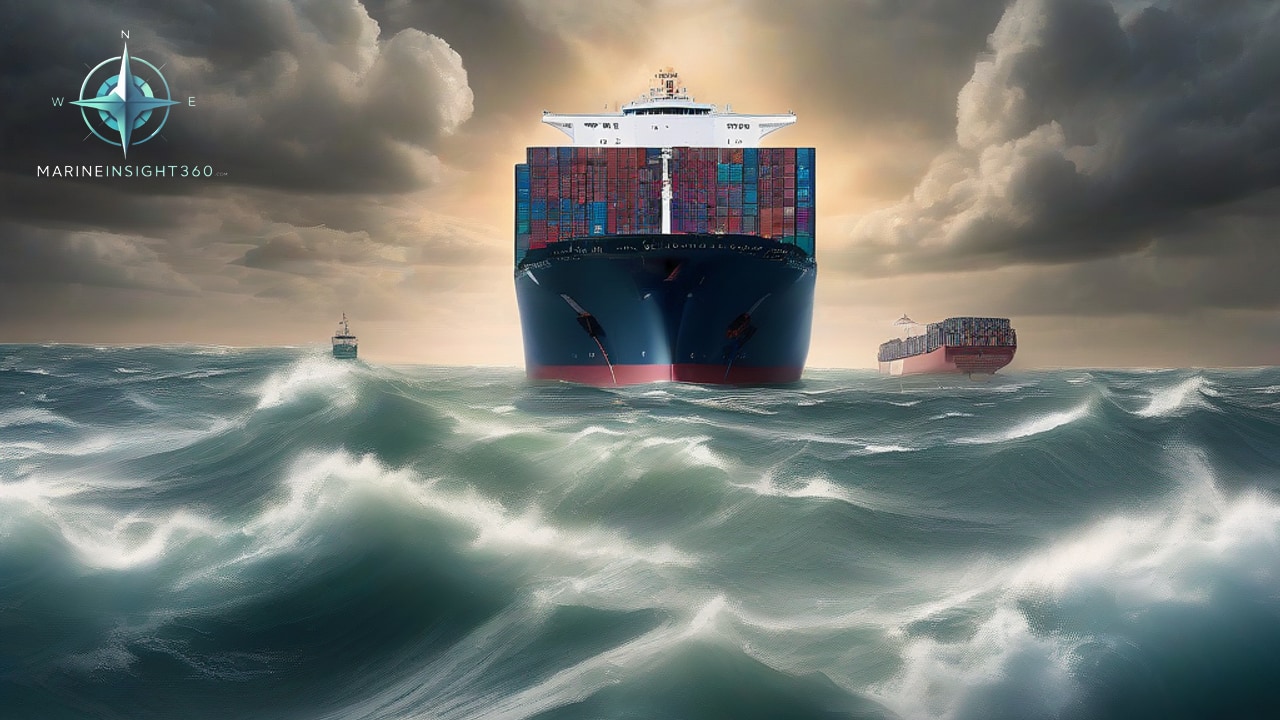
Iran's 5 Big Demands Shake US Doha Talks
Seafarers, cadets, and shipping professionals must stay alert to the latest US‑Iran negotiations, as they can influence maritime security and trade routes. The current talks in Doha have been jolted by Iran’s five demands, prompting a warning from Vice President JD Vance and a threat of renewed strikes from President Donald Trump.
Key Developments in the Doha Negotiations
- Iran’s Five Demands – The Iranian side has outlined five core conditions that it says are essential for any agreement. These demands have reshaped the dialogue and set a higher bar for concessions.
- Vance’s Confirmation of Nuclear Inspections – Vice President Vance reported that Iran has agreed to allow international nuclear inspectors back into the country. He described the first day of talks as “very, very good,” indicating a positive start.
- UN Involvement – Vance also mentioned that Iran has consented to let the United Nations play a role in overseeing compliance, a move that could broaden the scope of monitoring.
- Financial Conditions – The US has stated that it will not release any funds to Iran unless the latter fully complies with the interim agreement. This condition underscores the financial leverage the US intends to use.
- Military and Nuclear Program Status – Vance insisted that Tehran’s nuclear program and military capabilities have been “destroyed,” a statement that signals the US’s assessment of Iran’s current capabilities.
Trump’s Escalation and Threats
- Bombing and Tariff Threats – President Trump warned Iran that the US would consider bombings and secondary tariffs if Tehran failed to reach an agreement with Washington.
- Fresh Strikes and War Restart – Trump also threatened fresh strikes on Iran and even the possibility of restarting war, citing Iran’s support for Hezbollah militants in Lebanon and potential actions to close the Strait of Hormuz.
- Accusations of Ceasefire Violations – Trump accused Iran of violating ceasefire promises, describing its efforts to open the Strait of Hormuz as “very poor.”
- Reza Pahlavi Claim – In a separate interview, Vance clarified that Trump never sought to install Reza Pahlavi as Iran’s leader, countering rumors that had circulated.
Implications for the Shipping Industry
While the source does not detail specific maritime outcomes, the following considerations are relevant for those at sea:
- Uncertainty in the Strait of Hormuz – The Strait of Hormuz is a critical chokepoint for global oil shipments. Any escalation or closure could disrupt fuel supplies and increase insurance costs.
- Inspection and Compliance Costs – If international inspectors return to Iran, shipping companies may face additional regulatory scrutiny when transiting Iranian waters.
- Financial Sanctions – The US’s stance on withholding funds could lead to tighter sanctions regimes, affecting shipping finance and insurance premiums.
- Operational Security – Heightened tensions may prompt navies to increase patrols, potentially altering shipping routes and increasing the risk of interception.
What Seafarers Should Monitor
To navigate these developments safely, keep an eye on:
- Official statements from the US State Department and the Iranian Foreign Ministry.
- Updates from the International Maritime Organization (IMO) regarding any changes to navigation advisories.
- Real‑time intelligence on naval movements in the Persian Gulf.
- Insurance and charter parties that reference political risk clauses.
Next Steps for Shipping Professionals
Review your vessel’s risk assessment and update your voyage plans accordingly. For a deeper dive into how geopolitical shifts affect maritime operations, consult the Marine Insight 360 Shipboard Operations section.