
Iran says new attacks underway new attacks on its military on an island near the Strait of Hormuz
Iran's recent attacks on Qeshm Island near the Strait of Hormuz escalate tensions, threatening global shipping. Learn operational risks and mitigation strategie
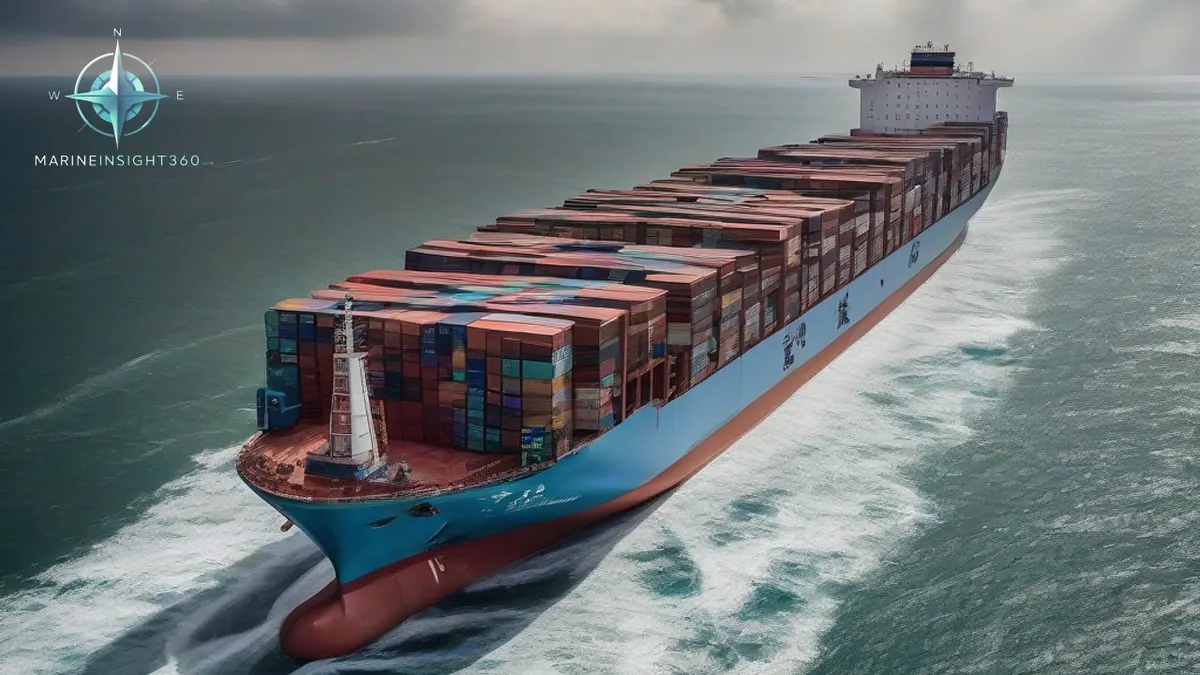
and as needed. The verify list should include the date (July 8, 2026) and any other time-sensitive claims. , , , , , . No (the title is separate). No . No markdown.> Iran's Qeshm Island Attacks Threaten Strait of Hormuz Security
Iranian state media reported sustained attacks on military installations at Qeshm Island near the Strait of Hormuz, escalating tensions with the U.S. amid a cycle of retaliatory strikes. These incidents, occurring against a backdrop of heightened geopolitical friction, directly impact global shipping operations through the strait, which handles 20% of the world’s oil shipments daily.
Strategic Importance of the Strait of Hormuz
The Strait of Hormuz, connecting the Persian Gulf to the Gulf of Oman, is a critical chokepoint for global energy trade. Over 17 million barrels of oil transit the 34-kilometer-wide strait daily, with disruptions here triggering immediate spikes in global energy prices. Iranian threats to "close" the strait—first raised in 2026—have historically prompted urgent diplomatic interventions from the U.S. and international partners.
Recent Escalation: Attacks on Qeshm Island
On July 8, 2026, U.S. military forces conducted strikes targeting 90 Iranian military sites on Qeshm Island, Bandar Abbas, and Sirik, per Iranian state media reports. These actions followed Iran’s earlier attacks on three commercial vessels in the strait, which Washington attributed to Tehran. Iranian officials, through Pakistani mediators, have since warned that any U.S. Navy vessel entering the region could face immediate retaliation.
Iran’s Supreme Leader Khamenei publicly justified the attacks as a response to U.S. sanctions and regional aggression, while President Trump defended the strikes as necessary to "degrade Iran’s ability to threaten freedom of navigation." The cycle of tit-for-tat violence has left local populations vulnerable to shrapnel injuries and infrastructure damage.
Operational Risks for Vessels
Mariners transiting the Strait of Hormuz now face three primary risks:
- Military strikes: Shelling and missile exchanges near Qeshm Island increase the likelihood of collateral damage to commercial vessels.
- Strait closure threats: Iran’s repeated warnings to "close" the strait could force rerouting through longer, more fuel-intensive routes like the Cape of Good Hope.
- Drone and missile attacks: Recent drone strikes on container ships demonstrate Iran’s willingness to target commercial traffic directly.
Shipping companies are advised to monitor real-time updates from the U.S. Maritime Administration and the UK’s Maritime and Coastguard Agency. Vessel operators should also review their ship security plans (SSP) in line with ISPS Code requirements.
Mitigation Strategies for the Shipping Industry
Operators should prioritize:
- Route optimization: Consult the IMO’s Strait of Hormuz Transit Guide for recommended corridors and transit windows.
- Enhanced security: Deploy private maritime security teams (PMSOs) and ensure all vessels have functioning LRIT and AIS systems.
- Insurance coverage: Verify that hull and cargo policies include war risk clauses covering political violence in the Persian Gulf.
For crews, maintaining situational awareness through VHF radio and satellite communications is critical. The U.S. Merchant Marine Academy recommends cadets study historical case studies of strait closures to prepare for contingency planning.
Long-Term Implications for Global Trade
Chronic instability in the region could permanently alter shipping patterns. Alternative routes, while safer, add 12-14 days to transit times between Asia and Europe. The International Chamber of Shipping estimates that prolonged rerouting could increase bunker fuel costs by 15-20% for affected fleets.
Industry stakeholders should also consider the cascading effects on port operations. Dubai’s Jebel Ali and Fujairah ports may see increased traffic as vessels avoid the strait, straining local infrastructure and delaying cargo turnover.