
Livestock market sees strong demand for cattle and lambs
Learn how rising cattle and lamb demand impacts freight rates, capacity, and crew operations for global shipping professionals.
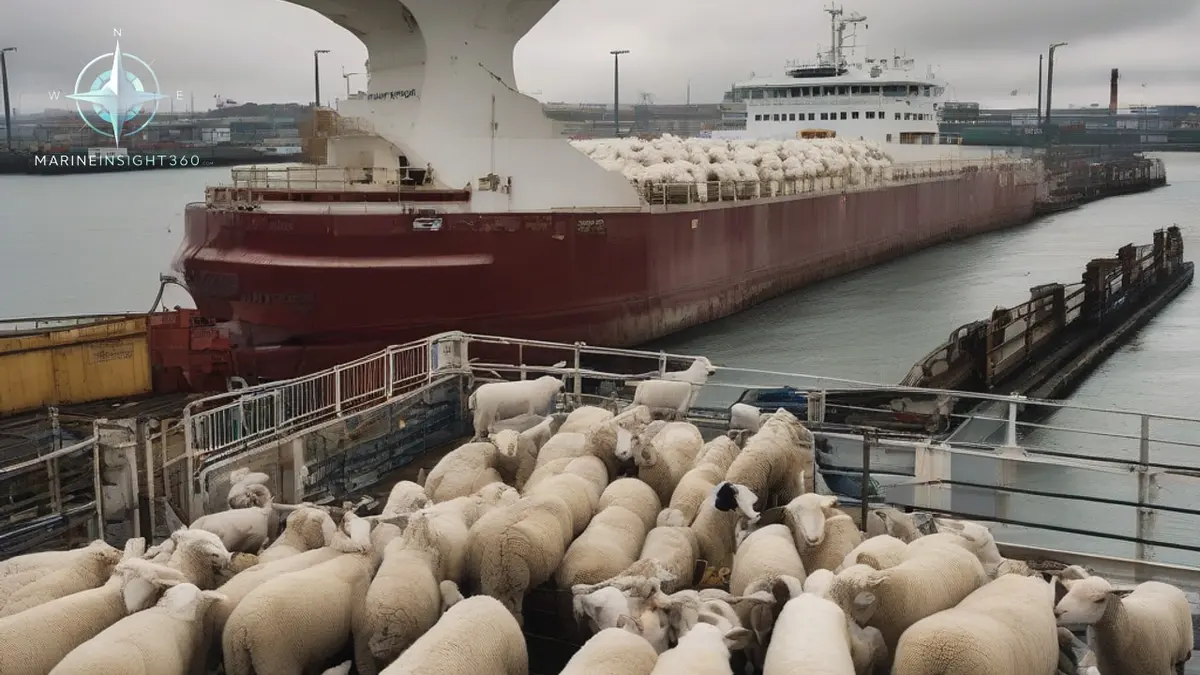
Livestock market sees strong demand for cattle and lambs
Finished cattle and lambs are moving faster through markets than ever before, pushing freight rates higher and tightening scheduling for vessels that carry live animals or chilled meat. Shipping companies must now plan for larger cargo volumes, stricter temperature control, and tighter berth availability.
Market signals that matter to shippers
Key data from the U.S. Texas region shows a sustained upward trend. Premium sale‑barn prices for lamb and goat have exceeded $4 per pound and are approaching $5 per pound. Feeder lamb prices hit a record high of $342.44 per cwt (hundred‑weight) in February, with averages around $260 per cwt. National negotiated live‑slaughter lamb prices averaged $262.40 per cwt in April 2026, a 53 % rise from the same period in 2025.
Sales and lamb volume sold increased by 10.9 % and 11.2 % respectively over the past year. These figures illustrate a strong demand that outpaces supply, especially in the U.S. Texas market, and a tighter market that pushes prices higher while reducing storage levels.
Operational implications for live‑animal carriers
When market prices rise, shippers are willing to pay more for faster, more reliable transport. This creates several operational considerations for seafarers and shipowners:
- Capacity allocation – Live‑animal carriers may need to reallocate space from other cargoes to meet higher demand for cattle and lambs, affecting the mix of cargoes on a voyage and overall profitability.
- Charter rates – The increased freight rates for livestock can justify higher charter fees. Shipowners should evaluate whether the premium freight covers the additional costs of maintaining temperature control, ventilation, and animal welfare compliance.
- Port congestion – High demand can lead to longer berth times as more vessels compete for limited loading and unloading slots. Planning for berth availability becomes critical, especially in busy hubs like Singapore, Rotterdam, and Los Angeles.
- Regulatory compliance – Carriers must still meet international standards for animal transport, including those set by the International Maritime Organization and national authorities. Failure to comply can result in penalties and reputational damage.
Common pitfalls that erode the benefits of a strong market
Even with clear market signals, several mistakes can undermine the advantages of a robust livestock market:
- Underestimating temperature control needs – Live cattle and lambs require strict temperature regimes. Inadequate cooling can lead to animal stress, mortality, or product spoilage, triggering costly compensation claims.
- Ignoring storage capacity constraints – As storage levels fall, shippers may be forced to accept higher freight rates or delay shipments. Failing to anticipate this can leave a vessel stranded at a port with no cargo.
- Overlooking crew training – Handling live animals demands specific skills. Crew members who are not trained in animal handling or emergency response can cause delays or safety incidents.
- Failing to monitor market trends – Relying on outdated price data can lead to misaligned freight contracts. Regularly reviewing market reports helps maintain competitive pricing.
Strategic actions for seafarers and shipping professionals
To capitalize on the current livestock market, consider the following steps:
- Review cargo plans – Prioritize livestock bookings when market prices are high. Use real‑time data to adjust cargo mixes and avoid over‑loading non‑livestock cargoes that could compromise animal welfare.
- Negotiate flexible charter agreements – Include clauses that allow for rate adjustments based on market volatility. This protects both shipowners and shippers from sudden price swings.
- Invest in temperature‑controlled equipment – Upgrade refrigeration units and monitor systems to ensure compliance with animal transport standards. Reliable cooling reduces the risk of spoilage and associated costs.
- Enhance crew training programs – Provide regular refresher courses on animal handling, emergency procedures, and health‑and‑safety protocols. A well‑trained crew reduces turnaround times and improves safety.
- Plan for port congestion – Coordinate with port authorities and terminal operators to secure berths in advance. Early berth allocation can prevent costly delays.
By aligning operational decisions with the strong demand for cattle and lambs, shipping professionals can secure higher freight rates, improve cargo reliability, and strengthen their position in a competitive market.
For deeper insights into livestock transport logistics, visit Marine Insight 360’s Shipboard Operations section or the Marine Machinery knowledge base.
Recommended Reading

Is the Tanker Market Overly Growing?
Is the Tanker Market Overly Growing?: ports, trade and shipping-market context for US, UK, Canada, Australia, Singapore and European maritime readers.
Oil Market Expected To Be In Surplus Despite OPEC+ Measures
Oil prices have come under considerable pressure this year, with markets concerned about demand and surplus expectations for 2025. Even after a decision…
Maritime Fenders (Marine Fender) Market Global Outlook and Forecast -2029
Marine fenders, also known as maritime fenders, are used as bumpers to prevent boats, ships, and other naval vessels from colliding with each other or…