
Major World Canals
Discover the key dimensions, traffic volumes and strategic importance of the Suez, Panama and Kiel canals for shipping professionals.
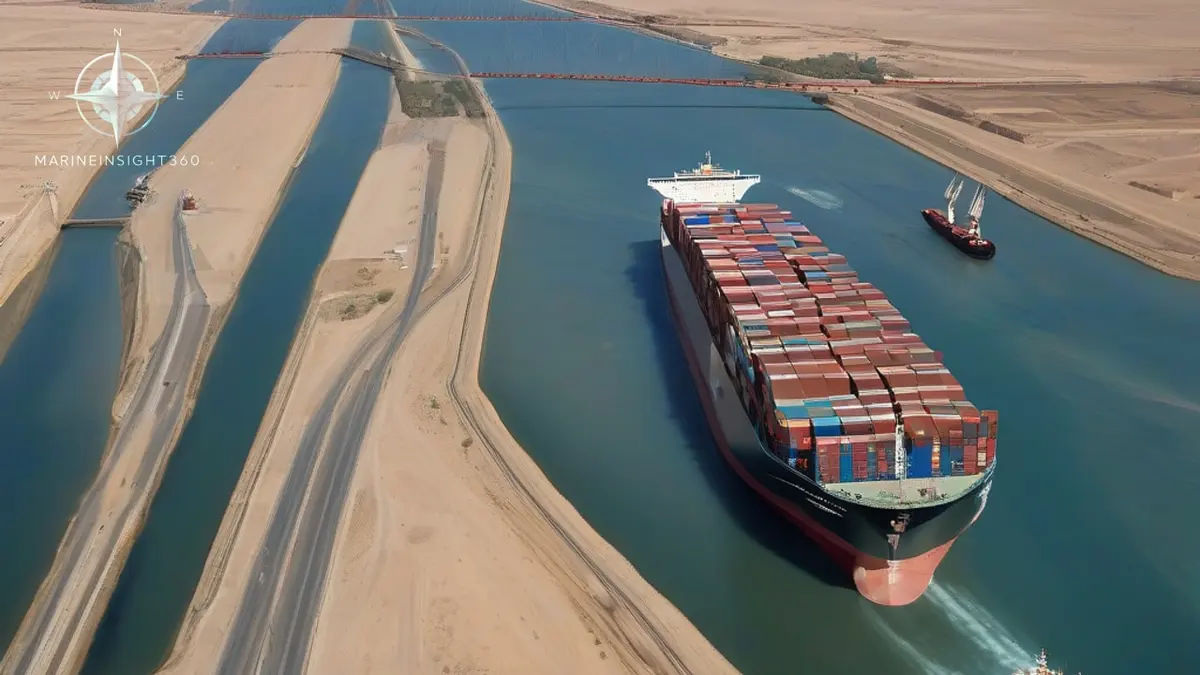
Major World Canals is the focus of this article because it connects marine engineers, engine ratings and technical managers with the wider question behind Major World Canals.
Pick the Canal That Fits Your Ship, Cargo and Schedule
“Select a canal that matches your ship’s length, depth and beam, offers the lowest toll for your cargo weight, and fits your timing; consider draft limits, pilot fees and any queuing that could affect fuel use.”
Mariners, cadets and shipping managers must look beyond a simple map pin. Canal dimensions, toll formulas and traffic patterns directly shape route planning, bunker budgeting and compliance work on board.
Vessel Dimensions Are the First Gatekeeper
Every major canal publishes a maximum vessel length, water depth (draft) and beam (width). These figures decide whether a ship can transit without structural changes or cargo reshuffling.
Length, Draft and Beam Limits That Matter at Sea
Check the canal’s published limits against your vessel’s overall length, loaded draft and beam. If a bulk carrier exceeds the depth restriction, it must off‑load ballast or cargo to reduce draft, adding handling time and cost. Likewise, a beam wider than the lock opening forces a costly reroute.
Decision tip: Keep a spreadsheet of your fleet’s key dimensions and match them to the latest canal specifications before plotting a voyage.
How Toll Structures Influence the Bottom Line
Canal tolls are not flat fees; they vary with vessel size, cargo type and draft. Larger ships usually pay higher charges, but the saved distance can still make the transit cheaper than a longer open‑sea route.
Running a Cost‑Benefit Analysis
Obtain the latest toll tables from the canal authority’s website. Compare fuel savings from the shorter route with the toll amount. For high‑value cargo, a higher toll may be justified to achieve faster delivery.
Common mistake: Assuming a small vessel always saves money by avoiding canals. In some cases, the fuel cost of the detour outweighs the toll.
Operational Planning for a Canal Passage
A canal transit triggers several mandatory procedures that crews must coordinate well before arrival.
Piloting, Vessel Particulars and Documentation
Local pilots are compulsory. The master must submit vessel particulars—including dimensions, draft and cargo details—typically days in advance. Inaccurate data can lead to denied entry or fines from the canal authority.
Up‑to‑date certificates, crew lists and cargo manifests are also required. Any discrepancy can halt the transit, causing costly delays.
Ballast Management and Environmental Compliance
Draft restrictions often require ballast water adjustments. Improper handling not only breaches canal rules but may also violate international ballast‑water management standards (STCW), exposing the vessel to environmental penalties.
Speed Limits and Fuel Planning
Many canals impose speed limits to protect lock structures and reduce wake. Captains should calculate bunker consumption with the speed restriction in mind to avoid unnecessary fuel stops before or after the passage.
Traffic Volumes, Queues and Seasonal Peaks
Annual transit figures reveal each canal’s role in global trade. High‑traffic canals handle container ships, tankers and bulk carriers alike. During busy periods, queues can add days to a voyage, forcing captains to reconsider speed and bunker planning.
Operational tip: Schedule arrivals well ahead of peak windows and use real‑time traffic data from canal authority portals when available. Factor potential delays into ETA calculations for shippers.
Future Expansions, Geopolitics and Environmental Factors
Canal authorities regularly upgrade locks and deepen channels to accommodate larger vessels and increase throughput. Staying informed about these projects helps operators anticipate capacity gains or temporary restrictions during construction phases.
Political stability also influences routing decisions. Unrest can lead to sudden closures or heightened security checks. Environmental regulations—especially ballast‑water management standards—are increasingly enforced at canal entrances, requiring compliance documentation and possible treatment system upgrades.
Action items: Subscribe to canal authority newsletters for real‑time updates. Review expansion timelines when planning long‑term fleet deployment. Adjust vessel design specifications if a major canal upgrade aligns with your trade routes.
Next Steps for Maritime Professionals
For the most accurate dimensions, toll tables and expansion schedules, visit the official website of each canal authority. Marine Insight 360’s Knowledge Base offers links to these resources and a step‑by‑step guide on preparing a canal transit dossier.
Understanding major world canals matters because routing choices affect insurance, crew planning, cargo timing and even maintenance schedules. A well‑planned canal transit can shave days off a voyage, reduce fuel burn and keep compliance costs in check.
Why this matters
Major World Canals matters because maritime decisions rarely sit in one department. A route story may affect insurance, crew planning and cargo timing. A machinery topic may affect maintenance, safety permits and spare-part planning. A career question may affect training, documents and joining readiness.
For readers in the United States, United Kingdom, Europe, Canada, Australia, Singapore and other mature maritime markets, the useful angle is practical: what changes, what remains uncertain, and which checks should happen before a decision is made.
Operational context
In daily maritime work, major world canals should be compared with vessel type, flag requirements, company procedures, port expectations, cargo risk and crew competence. The same topic can look different on a container ship, bulk carrier, tanker, offshore vessel, training ship or shore-side logistics desk.
That is why this article avoids treating the subject as a standalone headline. It connects the issue with the checks that marine engineers, engine ratings and technical managers can use when reading a report, preparing for a voyage, reviewing a procedure or planning a career step.
Checks for readers
- Identify whether the topic affects safety, compliance, maintenance, navigation, cargo, careers or commercial planning.
- Confirm the latest company procedure, official notice, training requirement or port instruction before acting.
- Separate background context from instructions that require a qualified officer, engineer, surveyor or shore-side approval.
- Use related Marine Insight 360 pages to build a stronger topic cluster instead of reading one article in isolation.
For related equipment checks and troubleshooting guides, continue with the marine machinery knowledge base.
Recommended Reading
Cruiser Stern - Major Types of Sterns - Pros & Cons
Cruiser Stern - Major Types of Sterns - Pros & Cons: ports, trade and shipping-market context for US, UK, Canada, Australia, Singapore and European...
Ocean Biome vs. Marine Biome: Major Differences
When discussing the vast expanse of water that covers most of our planet, you might have come across the terms " ocean biome " and " marine biome ." While…
Which Are The Major UAE Ports?
Bordered by Oman and Saudi Arabia, the UAE has become a beacon of development and trade on the Arabian Peninsula. It shares seas with Qatar to the west…