
New fees in the Strait of Hormuz? Europe is considering proposals that could change the rules of global navigation
Learn about Europe's proposals regarding shipping service fees in the Strait of Hormuz and their impact on global trade.
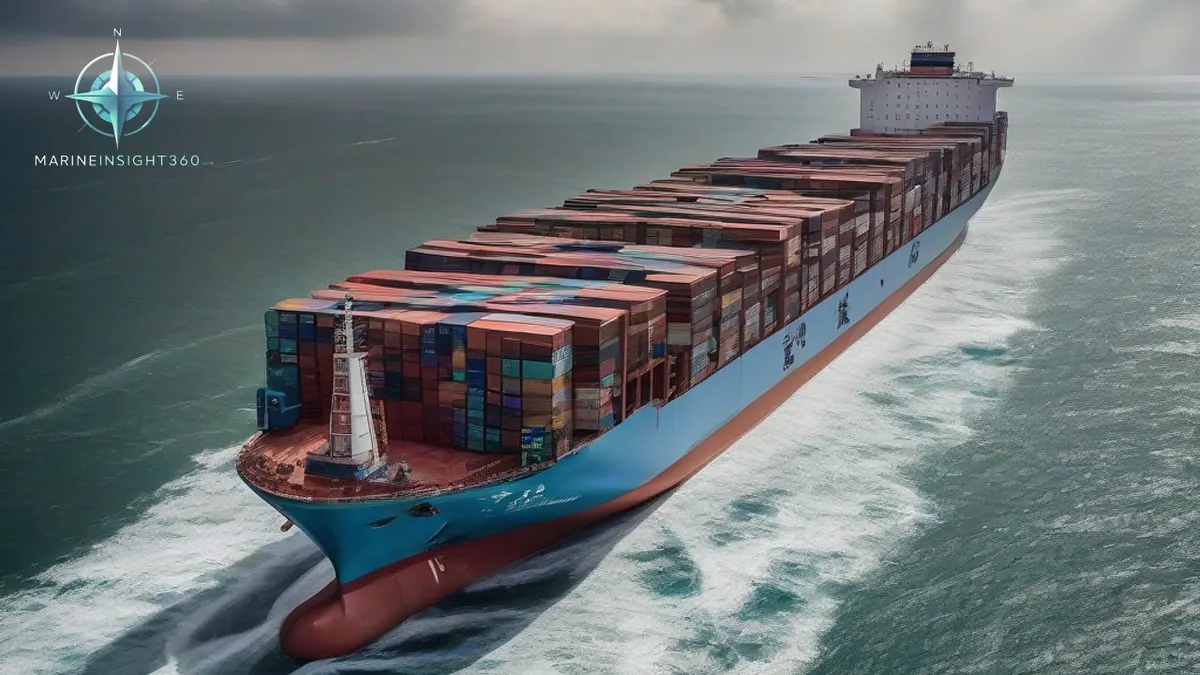
What the new Hormuz fees mean for you
Seafarers, cadets and shipping professionals need to know that Europe is exploring ways to allow ships to pay navigational fees in the Strait of Hormuz. The proposal could change how vessels cross one of the world’s most critical chokepoints and affect costs, routing and crew operations.
The Strait of Hormuz: a brief refresher
The Strait of Hormuz, a narrow waterway between Iran and Oman, connects the Persian Gulf to the Gulf of Oman and the Arabian Sea. It is the only maritime route for about 20 % of the world’s oil exports. Because of its strategic importance, any change in its fee regime can ripple across global shipping.
Iran’s $2 million transit fee
After a 10‑day period during which ships could cross free of charge, Iran introduced a $2 million transit fee for merchant vessels. The fee applies to all commercial ships that pass through the strait, regardless of flag or cargo type. The move follows Iran’s broader strategy to increase revenue from shipping traffic that it claims is vital to its economy.
Europe’s proposal: optional navigational fees
European governments are studying proposals that would let ships pay a navigational fee when transiting the Strait of Hormuz. The key detail is that the tolls would not be compulsory; vessels could opt out if they choose alternative routes. The proposal is still in the discussion phase and has not yet been adopted.
Why the fee debate matters to crews and operators
- Cost implications – A new fee could add several hundred thousand dollars to a voyage’s operating budget, depending on vessel size and cargo. Operators will need to adjust freight rates or find cost‑saving measures elsewhere.
- Routing decisions – If the fee is optional, some ships may divert to the Gulf of Oman or the Arabian Sea to avoid the cost. This can increase travel time, fuel consumption and exposure to different weather patterns.
- Regulatory compliance – Ships must keep accurate records of any fees paid and report them to the flag state and port authorities. Failure to comply can lead to penalties or denial of port entry.
- Crew welfare – Longer routes or increased fuel consumption can affect crew schedules, rest periods and overall safety. Companies should review crew contracts and safety plans to accommodate any changes.
What Europe’s acceptance of Hormuz fees means for global navigation
Some leading European powers now acknowledge that ships transiting the Strait of Hormuz will have to pay fees to Iran and Oman. This recognition signals a shift from the previous stance that the strait was a free passage. If the fee system becomes standard, the maritime community will need to adapt to a new fee structure that applies to all flag states.
Iran and Oman: a joint toll system?
Reports suggest that Iran and Oman could jointly charge ships a “navigational fee” for crossing the strait. The fee would be administered by both governments, potentially simplifying payment for vessels that pass through the entire corridor. However, the exact mechanics—such as payment channels, currency, and enforcement—have not been finalized.
Iran’s wartime justification
Iran cites wartime conditions to justify a potential toll system. The government argues that the fee is a defensive measure to protect its maritime interests during periods of conflict. This stance has drawn criticism from the United States, which opposes any compulsory toll that could restrict freedom of navigation.
Potential impact on global shipping order
Should the fee regime become widespread, the global maritime order could shift. Shipping lines may reassess their route planning, port calls and cost structures. The change could also influence the balance of power between regional authorities and international maritime organizations.
Key take‑aways for you
- Stay informed: Follow updates from the International Maritime Organization and your national maritime authority.
- Review contracts: Ensure freight and charter agreements account for potential new fees.
- Plan routes: Consider alternative passages if the fee is optional and assess the trade‑off between cost and time.
- Maintain records: Keep detailed logs of any fees paid and submit required documentation to flag and port authorities.
- Consult experts: If you’re unsure how the new fee regime will affect your operations, reach out to a maritime lawyer or a shipping consultancy.
Next steps
For the latest guidance on navigating the evolving fee landscape in the Strait of Hormuz, consult Marine Insight 360’s Knowledge Base section on “International Shipping Fees” and the Shipboard Operations blog series. These resources offer practical advice and real‑world scenarios to help you adapt quickly.