
Oman and Iran hold talks to ease maritime passage through Strait of Hormuz amid West Asia conflict
Oman and Iran are negotiating to reopen the Strait of Hormuz, a key shipping route closed amid West Asia conflict. Learn what this means for seafarers.
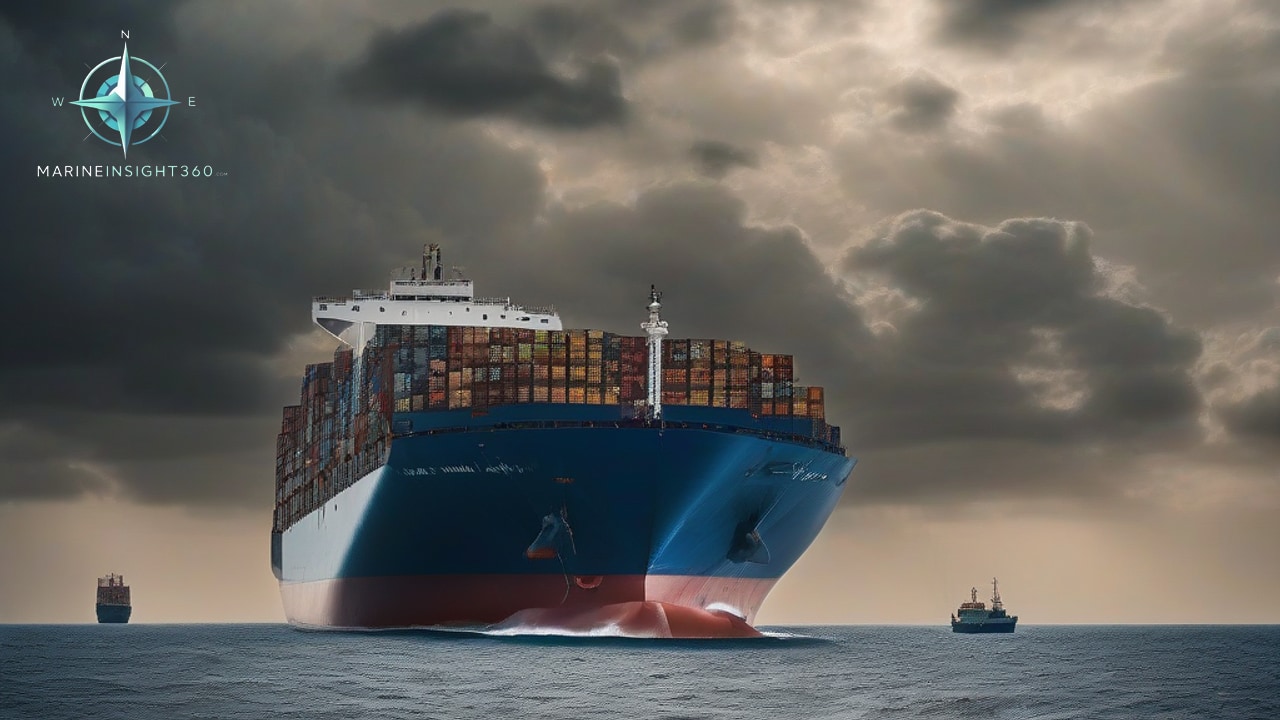
Oman and Iran Hold Talks to Ease Maritime Passage Through the Strait of Hormuz Amid West Asia Conflict
Seafarers and shipping professionals need to know that the Strait of Hormuz, a vital artery for global trade, remains effectively closed as of March 4 2026. In a move that could reshape navigation in the region, Oman and Iran have begun diplomatic talks aimed at restoring smooth transit for vessels.
Why the Strait of Hormuz Matters
The Strait is the narrow waterway that connects the Persian Gulf with the Gulf of Oman and the Arabian Sea. It is a chokepoint through which a significant portion of the world’s oil and gas exports pass. Any disruption can ripple across global markets and shipping schedules.
Recent Developments: Oman–Iran Talks
On Monday, Iran announced that it had held its first meeting with Oman on managing the Strait since signing a framework deal with the United States. The discussion focuses on easing the flow of transit for ships, a priority for both nations given the current closure.
Historical Context: 1970s vs. 1980s
During the 1970s, neither Iran nor Oman attempted to impede the passage of warships through the Strait. The 1980s, however, saw both countries asserting different claims over the waterway, a shift that contributed to heightened tensions in the region.
Practical Implications for Seafarers
- Route Planning: Until the talks yield a tangible agreement, maintain alternative routing options that bypass the Strait.
- Risk Assessment: Evaluate the likelihood of further restrictions or incidents, especially given the recent declaration of the Strait as closed.
- Communication: Keep in close contact with your line’s operations team and stay updated on any official statements from relevant authorities.
- Compliance: Verify that any new agreements do not conflict with existing international maritime regulations.
How to Stay Informed
Given the fluid nature of the situation, rely on reputable maritime news outlets and official government releases. Regularly check your line’s briefing documents for any changes in routing guidance or regulatory updates.
Next Steps for Shipping Professionals
1. Review your vessel’s current routing plans and identify any that traverse the Strait. 2. Discuss potential detours with your operations team. 3. Monitor the progress of the Oman–Iran talks and be ready to adapt if an agreement is reached. 4. Consult the Marine Insight 360 Knowledge Base for detailed guidance on navigating chokepoints and managing geopolitical risks.
By staying proactive and informed, seafarers can mitigate disruptions and maintain operational continuity while the diplomatic efforts unfold.