
PBBM: South China Sea must remain sea of peace, cooperation
Explore President Marcos Jr.'s call for peace and cooperation in the South China Sea and its impact on shipping.
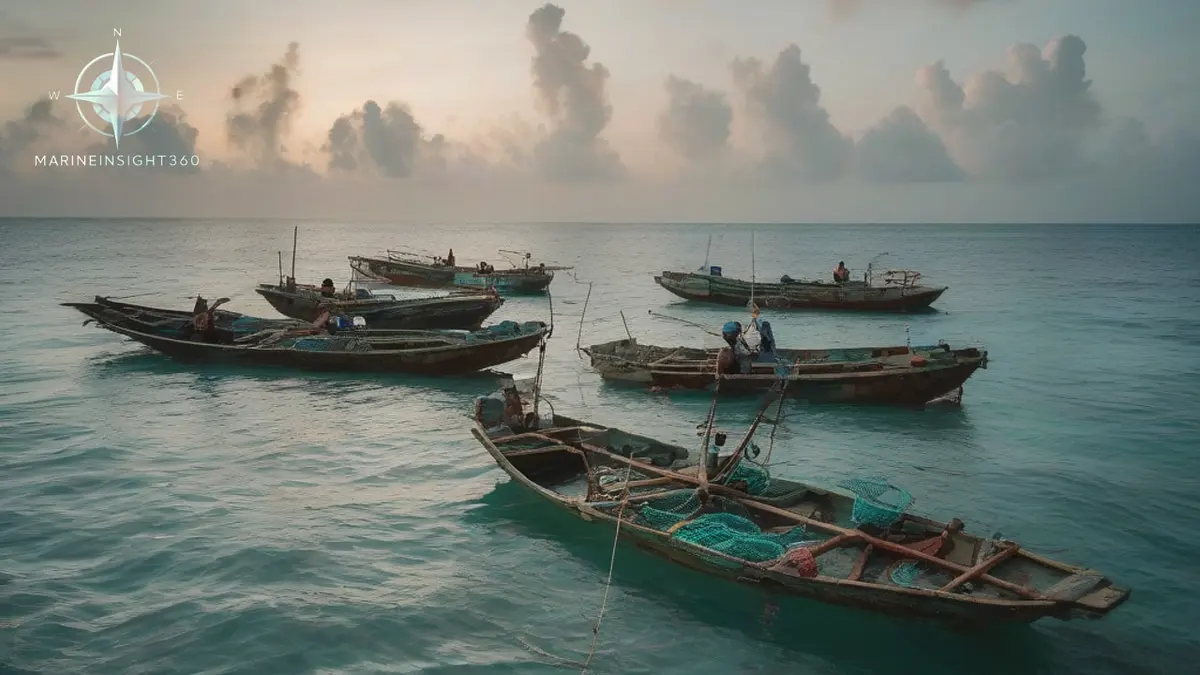
PBBM: South China Sea Must Remain a Sea of Peace, Cooperation
What does President Ferdinand R. Marcos Jr. mean when he says the South China Sea must stay a sea of peace and cooperation? He is urging all regional actors to keep the area free of conflict, to respect the rule of law, and to work together for shared prosperity.
Key Messages from PBBM
President Marcos delivered several statements at major regional gatherings:
- At the ASEAN–Japan meeting, he pledged the Philippines will remain firm, calm, and resolute in upholding peace, stability, and the rule of law.
- During the 18th East Asia Summit in Jakarta, he warned that tensions in the South China Sea must not be allowed to flare.
- In an ASEAN–China meeting, he said cooperation cannot exist if the region is not kept peaceful.
- At the 48th ASEAN Summit, he called for ASEAN to help ease tensions and maintain consensus.
Why Peace Matters for Seafarers
Marcos highlighted that the South China Sea is resource‑rich and that its stability is vital for maritime commerce. For crews, a calm sea means predictable routes, fewer delays, and lower insurance costs. A conflict zone could disrupt shipping lanes, increase piracy risk, and force vessels to reroute, adding time and expense.
Self‑Restraint and Mutual Benefit
Marcos urged all parties to exercise self‑restraint and pursue mutually beneficial solutions. He believes that a collaborative approach will keep the sea open for trade and resource exploitation while protecting national interests.
ASEAN’s Role and Challenges
He noted that ASEAN’s inability to maintain consensus weakens its negotiating leverage and could invite great‑power competition. A united front is essential to uphold the rule of law and prevent unilateral actions that could destabilise the region.
Open Dialogue with China
Marcos said the Philippines is open to resuming discussions with China on a joint oil and gas project in a disputed area. This move signals a willingness to find common ground while respecting international norms.
Expanding Public Goods Through Cooperation
Marcos said that as cooperation deepens, the scope and variety of public goods expand. This includes shared security measures, environmental protection, and infrastructure development that benefit all maritime stakeholders.
Implications for Shipping Operations
For shipping companies, the message is clear: maintain vigilance, stay informed about regional developments, and engage with local authorities. Cooperation can lead to improved port facilities, streamlined customs procedures, and enhanced maritime safety protocols.
Decision Criteria for Operators
- Assess the political climate before planning routes through contested waters.
- Monitor ASEAN statements for shifts in policy or consensus.
- Engage in dialogue with national maritime authorities to understand any new regulations.
Concrete Steps for Seafarers and Shipping Professionals
1. Subscribe to Marine Insight 360’s Marine Security section for up‑to‑date analysis.
2. Review the latest ASEAN communiqués to gauge consensus on maritime issues.
3. Participate in regional maritime forums to voice concerns and propose collaborative solutions.
4. Coordinate with port authorities to align on safety and security protocols.
Next Step
For detailed guidance on navigating the South China Sea, visit Marine Insight 360’s Shipboard Operations section. It offers practical checklists and risk assessments tailored to the region.
Which law the rule-of-law language refers to
The phrase Marcos repeats has a specific referent. In July 2016 an arbitral tribunal constituted under UNCLOS Annex VII, with the Permanent Court of Arbitration as registry, ruled on the Philippines' case against China and found no legal basis for historic rights within the nine-dash line. It also held that several Spratly features are rocks or low-tide elevations, which generate no exclusive economic zone.
China did not take part in the proceedings and rejected the award, so the dispute has continued as a series of incidents at sea rather than as enforcement. Resupply runs to Second Thomas Shoal have drawn water cannon and collisions between Chinese coast guard vessels and Philippine boats, and those confrontations, not the legal position, are what move the risk assessments.
Commercial traffic sits outside most of this. The main north-south lanes through the South China Sea pass well clear of the disputed features, and the vessels involved in the incidents are government, fishing and resupply craft. The exposure for merchant ships is indirect: radio challenges from coast guard units near contested waters, and the effect of a hardening dispute on insurance and charterparty terms.
What this means for fleet planning
Statements like these are more than diplomacy for shipping planners. The South China Sea carries a large share of global container and energy traffic, and the tone between claimant states feeds directly into the threat assessments that route planners, insurers and charterers use. When leaders publicly commit to restraint, underwriters read stability; when rhetoric hardens, additional-premium areas and rerouting discussions follow.
Operators with liner services or regular tramp calls in Southeast Asia should watch three things: progress on the ASEAN code-of-conduct talks the speech references, the frequency of reported stand-offs near disputed features, and any change in naval escort practice by claimant states. None of these require a reaction today, but each one belongs on the quarterly route-risk review.
Singapore remains the practical bellwether: bunkering, crew change and transhipment all concentrate there, so regional tension shows up first in its spreads and schedules. Crewing departments should also note the human side. Filipino, Indonesian and Vietnamese seafarers crew a large share of the world fleet, and calm in their home waters keeps crew-change logistics predictable.
Background on the hub is in our Singapore maritime market profile, and daily developments run in the news section.
Recommended Reading
Australia Improves its Surveillance Capability Over the South China Sea
Australia upgrades radar, satellite and data fusion to improve maritime security in the South China Sea, benefiting global shipping operations.
South China Sea or West Philippine Sea: What’s the Deal?
If you’ve ever wondered why the South China Sea (or West Philippine Sea) keeps popping up in the news, you’re not alone. This stretch of water in Southeast Asia is a big deal—full of history, resources, and arguments.
Why Should the Rich have all the Fun? This Luxury Resort in Vietnam is Taking Guests to the Unexplored Depths of South China in Glass Enclosed Submarine for a Mere $45.
Why Should the Rich have all the Fun? This Luxury Resort in Vietnam is Taking Guests to the Unexplored Depths of South China in Glass Enclosed...