
Russia to Provide Arctic Navigation Training to Chinese Seafarers
Russia will provide Arctic navigation training to Chinese seafarers, offering crews essential skills for safe polar operations. Learn why this matters for globa
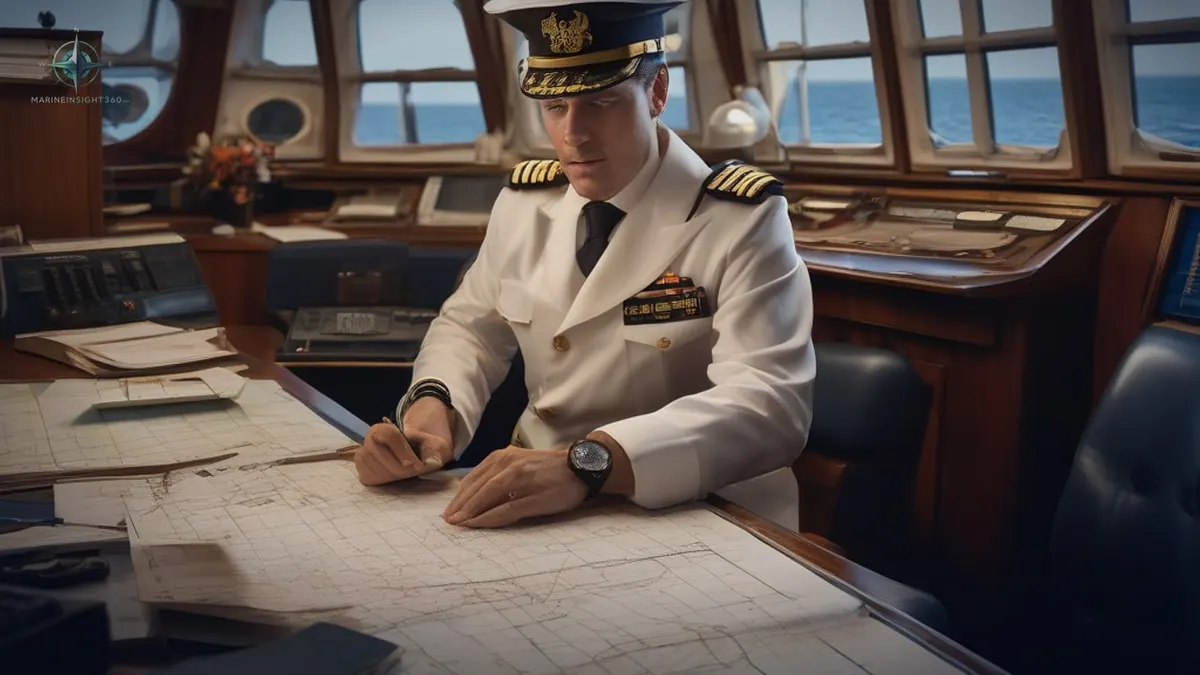
Provide Arctic Navigation Training is the focus of this article because it connects cadets, officers, ratings, recruiters and maritime students with the wider question behind Russia to Provide Arctic Navigation Training to Chinese Seafarers.
<h2>Why Arctic Navigation Training Matters for Global Shipping</h2> Arctic routes can cut voyages between Asia and Europe by up to 30% (about 3,000 nautical miles), but ice conditions, extreme weather, and sparse rescue infrastructure make these passages hazardous.
Crews must master ice navigation, polar weather forecasting, and emergency response to operate safely. <h2>What the Russian Training Programme Likely Covers</h2> Russian polar training centres typically cover the following modules: * Ice navigation theory and practical exercises using ice charts and satellite imagery * Icebreaker and escort vessel operations, including communication protocols with Russian icebreakers * Emergency drills for ice damage, man-over-board incidents, and cold-environment search-and-rescue * Environmental protection measures such as oil-spill response and ballast-water management in polar waters Training is delivered under the STCW (Standards of Training, Certification and Watchkeeping for Seafarers) framework, ensuring graduates receive internationally recognised certificates.
<h2>Operational Benefits for Shipping Companies</h2> The Russian programme equips crews with three key advantages: * Confidence in complex ice conditions, lowering the risk of hull damage * Knowledge of Russian icebreaker escort procedures, which can shorten passage times * Familiarity with Russian navigation aids and communication systems, easing coordination with local authorities These benefits translate into lower insurance premiums, fewer delays, and stronger compliance with the IMO Polar Code, adopted in 2012 to set minimum safety and environmental standards for vessels in polar waters.
<h2>Common Mistakes to Avoid When Planning Polar Training</h2> Successful Arctic competence requires more than a single course.
The most frequent errors are: * Assuming one training session is sufficient—repeated drills and refresher courses are essential * Overlooking language requirements—many Russian centres teach in Russian, so English-only instruction may limit comprehension * Neglecting post-training support—ongoing mentorship and access to updated ice charts are crucial for real-world application <h2>Practical Steps for Crews and Operators</h2> Shipping professionals should: * Verify the specific modules and duration of the Russian programme through official maritime education providers * Ensure crew STCW certificates align with Polar Code requirements * Coordinate training schedules with upcoming Arctic voyages to avoid operational disruptions * Explore additional training options in other polar regions to diversify crew experience <h2>How to Verify and Maximise Training Value</h2> Before enrolling, confirm that the curriculum includes hands-on ice navigation exercises and that certificates are recognised by the flag state and insurers.
Check that the training covers Russian icebreaker escort procedures, as these are often required for Northern Sea Route passage. After completion, maintain a log of refresher drills and update crew knowledge with the latest ice charts and weather forecasts. <h2>Why This Matters for Maritime Decision-Makers</h2> Maritime decisions rarely sit in one department. A route change can affect insurance, crew planning, and cargo timing. A machinery topic may impact maintenance, safety permits, and spare-part planning.
A career question may influence training, documents, and joining readiness. For operators in the United States, United Kingdom, Europe, Canada, Australia, Singapore, and other mature maritime markets, the practical takeaway is clear: specialised polar education improves safety, efficiency, and future-proofs fleets for the growing importance of Arctic routes. <h2>Next Steps for Seafarers and Operational Context</h2> In daily maritime work, provide arctic navigation training should be compared with vessel type, flag requirements, company procedures, port expectations, cargo risk, and crew competence.
The same topic can look different on a container ship, bulk carrier, tanker, offshore vessel, training ship, or shore-side logistics desk.
Career context
provide arctic navigation training should be read as a practical maritime issue, not as loose background information. The useful question is what it changes for safety, compliance, voyage planning, maintenance, training, cargo work or commercial decisions.
Checks for readers
- Identify whether the topic affects safety, compliance, maintenance, navigation, cargo, careers or commercial planning.
- Confirm the latest company procedure, official notice, training requirement or port instruction before acting.
- Separate background context from instructions that require a qualified officer, engineer, surveyor or shore-side approval.
- Use related Marine Insight 360 pages to build a stronger topic cluster instead of reading one article in isolation.
Evidence and trust signals
A useful maritime article should show where the reader needs evidence, even when the page is an explainer rather than a breaking-news report. Look for dates, vessel context, source attribution, regulatory references, equipment details, route names, job requirements or operational constraints that can be verified.
When evidence is missing or the situation is changing, treat the article as a starting point. For safety-critical, legal, medical, immigration, training or commercial decisions, confirm the details through official channels and qualified professionals.
How to use this guide
Use this guide to frame the right questions before going deeper. If provide arctic navigation training affects your vessel, crew, course, job application, port call, cargo movement or procurement decision, write down what must be verified, who owns the action and which record proves the answer.
For related reading, continue through the merchant navy career hub and connect this page with nearby topics. Internal linking helps readers move from background context to practical guidance without losing the thread.
Next steps
For related career routes, eligibility and rank guidance, continue with the merchant navy career hub. Use the linked hub to compare the topic with related guidance before making operational, training or commercial decisions.
Recommended Reading
How To Join Navy Seafarers In Russia
How To Join Navy Seafarers In Russia: career, certification and hiring context for US, UK, Canada, Australia, Singapore and European maritime readers.
Dead Reckoning Navigation Technique (Maritime Position Calculation) At Sea
Dead Reckoning Navigation Technique (Maritime Position Calculation) At Sea: technology, equipment and fleet context for US, UK, Canada, Australia,...
Four Social Networks for Seafarers
Four Social Networks for Seafarers: safety, training and compliance context for US, UK, Canada, Australia, Singapore and European maritime readers.