
Russian Escort Accused of Killing Senior Russian Navy Officer in Sevastopol
A brief overview of the unverified claim that a Russian escort vessel killed a senior navy officer in Sevastopol, with guidance for shipping professionals on ho
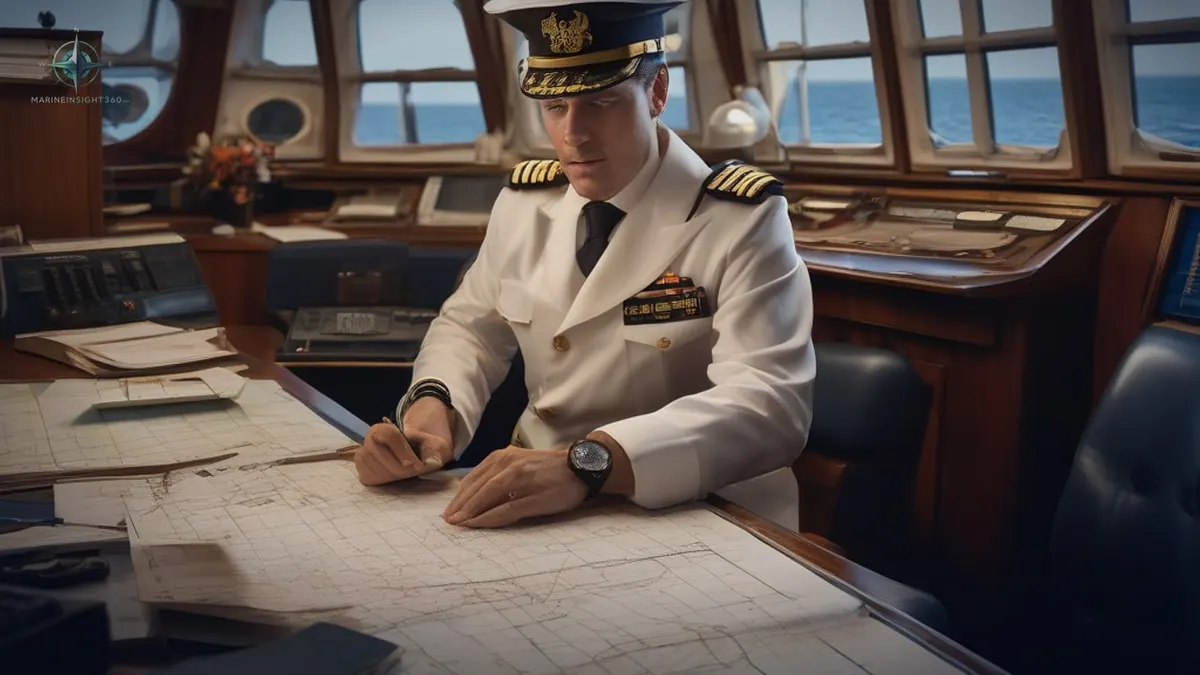
Killing Senior Russian Navy Officer is the focus of this article because it connects cadets, officers, ratings, recruiters and maritime students with the wider question behind Russian Escort Accused of Killing Senior Russian Navy Officer in Sevastopol.
What the Report Says About the Sevastopol Incident
The Maritime Executive has reported that a Russian escort vessel has been accused of killing a senior Russian Navy officer in Sevastopol. No further details are provided in the source, so the incident remains unverified and the circumstances unclear.
Why the Lack of Detail Matters to Shipping Professionals
When a high‑profile claim surfaces, operators, crew, and maritime authorities need concrete facts to assess risk. Without specifics on the escort’s identity, the officer’s rank, or the nature of the alleged incident, it is impossible to determine whether the event could affect port security, vessel routing, or crew safety protocols.
Key Decision Points for Shipping Companies
Port Security Assessment
If the incident involved a naval escort, ports in the Black Sea region may need to review their security arrangements and communication channels with local naval authorities.
Crew Briefing
Crews operating in or near Sevastopol should be briefed on the potential for heightened naval activity and any changes to maritime traffic control.
Insurance Coverage
Insurers may reassess coverage for vessels transiting the area if the incident indicates an increased risk of armed conflict or naval engagement.
Common Mistakes When Acting on Unverified Reports
- Assuming the incident is confirmed without corroboration from multiple reputable sources.
- Adjusting shipping routes or port calls based solely on a single headline.
- Failing to consult local maritime authorities or the International Maritime Organization (IMO) for official statements.
Next Steps for Seafarers and Shipping Professionals
Until additional information emerges, the safest approach is to monitor reputable maritime news outlets and official statements from the Russian Navy and relevant port authorities. For further guidance on handling uncertain security situations, consult Marine Insight 360’s Shipboard Operations section.
Why this matters
Killing Senior Russian Navy Officer matters because maritime decisions rarely sit in one department. A route story may affect insurance, crew planning and cargo timing. A machinery topic may affect maintenance, safety permits and spare-part planning. A career question may affect training, documents and joining readiness.
For readers in the United States, United Kingdom, Europe, Canada, Australia, Singapore and other mature maritime markets, the useful angle is practical: what changes, what remains uncertain, and which checks should happen before a decision is made.
Operational context
In daily maritime work, killing senior russian navy officer should be compared with vessel type, flag requirements, company procedures, port expectations, cargo risk and crew competence. The same topic can look different on a container ship, bulk carrier, tanker, offshore vessel, training ship or shore-side logistics desk.
That is why this article avoids treating the subject as a standalone headline. It connects the issue with the checks that cadets, officers, ratings, recruiters and maritime students can use when reading a report, preparing for a voyage, reviewing a procedure or planning a career step.
Checks for readers
- Identify whether the topic affects safety, compliance, maintenance, navigation, cargo, careers or commercial planning.
- Confirm the latest company procedure, official notice, training requirement or port instruction before acting.
- Separate background context from instructions that require a qualified officer, engineer, surveyor or shore-side approval.
- Use related Marine Insight 360 pages to build a stronger topic cluster instead of reading one article in isolation.
Evidence and trust signals
A useful maritime article should show where the reader needs evidence, even when the page is an explainer rather than a breaking-news report. Look for dates, vessel context, source attribution, regulatory references, equipment details, route names, job requirements or operational constraints that can be verified.
When evidence is missing or the situation is changing, treat the article as a starting point. For safety-critical, legal, medical, immigration, training or commercial decisions, confirm the details through official channels and qualified professionals.
How to use this guide
Use this guide to frame the right questions before going deeper. If killing senior russian navy officer affects your vessel, crew, course, job application, port call, cargo movement or procurement decision, write down what must be verified, who owns the action and which record proves the answer.
For related reading, continue through the merchant navy career hub and connect this page with nearby topics. Internal linking helps readers move from background context to practical guidance without losing the thread.
Recommended Reading

Russian Navy Augments its Long-Term Presence in English Channel
Explore how the Russian Navy’s increased long‑term deployment in the English Channel could affect shipping routes, security and crew safety.

How To Become Deck Officer in Merchant Navy?
Merchant mariners are a lucrative and exciting field of work that requires a great deal of commitment from the moment one enters a maritime academy,…
Duties of Chief Officer in Merchant Navy
Duties of Chief Officer in Merchant Navy: ports, trade and shipping-market context for US, UK, Canada, Australia, Singapore and European maritime readers.