
Trump Pledges to Make Hormuz a "Territory of the United States"
Explore the legal, operational and geopolitical implications of Trump’s claim that Hormuz is a U.S. territory for seafarers and shipping firms worldwide.
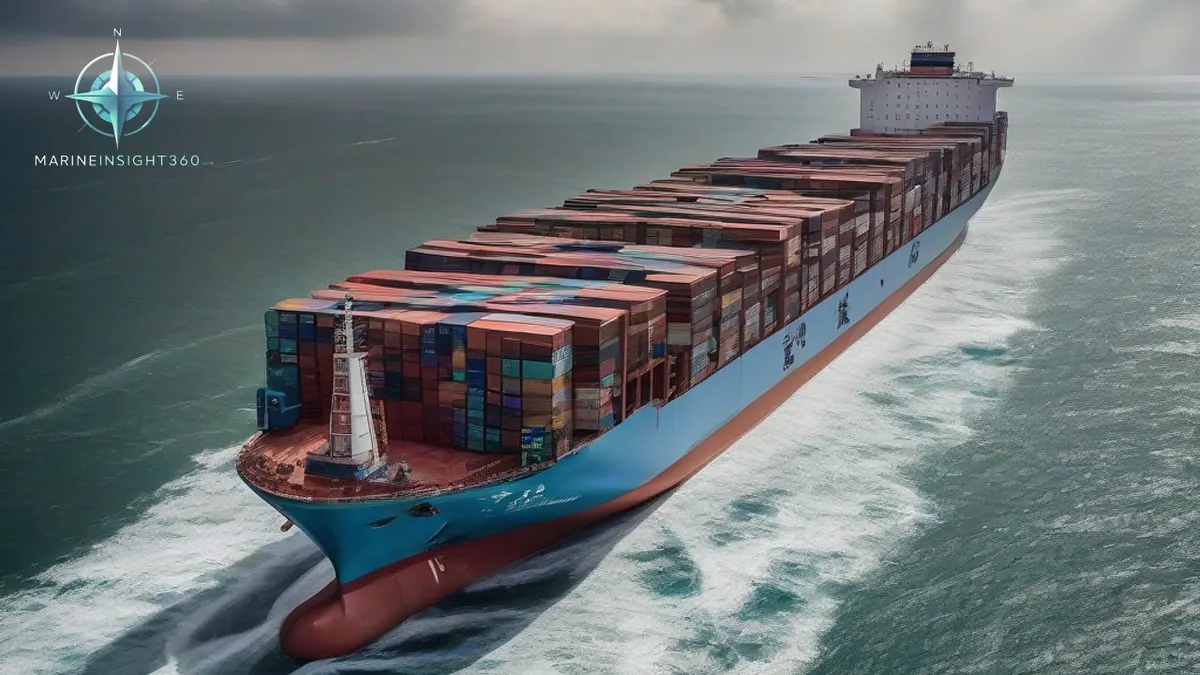
Trump Pledges is the focus of this article because it connects ship operators, insurers, charterers and route planners with the wider question behind Trump Pledges to Make Hormuz a "Territory of the United States".
What Trump’s Hormuz Statement Means for Shipping Today
Former President Donald J. Trump said he would treat the Strait of Hormuz as a “territory of the United States.” The comment is a political declaration, not a legal change. Shipping vessels will continue to use the strait under the same rights set by the United Nations Convention on the Law of the Sea (UNCLOS) and U.S. freedom‑of‑navigation policy.
Legal Reality: No Sovereign Claim Over the Strait
Under international law, a territory is a defined land area under a sovereign state’s jurisdiction. The Strait of Hormuz is a narrow waterway that connects the Persian Gulf to the Arabian Sea. It is governed by UNCLOS, which grants all flag states the right to transit. The United States has no treaty or treaty‑based status that would give it sovereignty over the waterway. Therefore, Trump’s statement is a political declaration rather than a legal change.
Operational Consequences for Shipping Traffic
Navigation Freedom Remains Unchanged
Vessels from all flag states will continue to use the strait under the same transit rights established by UNCLOS and the U.S. Maritime Administration’s “freedom of navigation” policy. No new restrictions are imposed.
Security Measures May Intensify
U.S. naval forces may increase patrols or escort duties. These actions are already routine during heightened tensions. Shipping companies should monitor U.S. Navy announcements for any new escort protocols.
Insurance and Liability Stay the Same
Insurers will not adjust premiums solely because of the statement. Coverage remains tied to risk assessments, not political rhetoric.
Geopolitical Context and Regional Reactions
Countries that rely on the Hormuz corridor for oil exports—such as Saudi Arabia, UAE, and Oman—have repeatedly stressed that the strait is a neutral international waterway. Iran’s leadership has warned that any U.S. attempt to claim sovereignty could trigger a regional security crisis. Shipping firms operating in the Gulf should keep abreast of diplomatic developments and potential sanctions that could affect port operations.
Common Mistakes Shipping Professionals Make
- Assuming a political statement automatically changes maritime law.
- Overestimating the speed of any regulatory shift based on a single speech.
- Ignoring the distinction between “territory” and “exclusive economic zone.”
What to Do Next
Maritime professionals should consult the U.S. Maritime Administration’s Freedom of Navigation guidance and the International Maritime Organization’s (IMO) updates on the Gulf region. For detailed risk assessments, refer to Marine Insight 360’s “Marine Machinery” and “Shipboard Operations” sections. If you need to verify current regulations, check the official U.S. Coast Guard (USCG) or the UK Maritime and Coastguard Agency (MCA) websites.
Why This Matters to the Industry
While Trump’s pledge does not alter the legal status of the Hormuz Strait, it signals heightened U.S. interest in the region. Shipping companies must stay informed to navigate potential security and regulatory shifts that could affect vessel routing, insurance, and port access.
Operational context
In daily maritime work, trump pledges should be compared with vessel type, flag requirements, company procedures, port expectations, cargo risk and crew competence. The same topic can look different on a container ship, bulk carrier, tanker, offshore vessel, training ship or shore-side logistics desk.
That is why this article avoids treating the subject as a standalone headline. It connects the issue with the checks that ship operators, insurers, charterers and route planners can use when reading a report, preparing for a voyage, reviewing a procedure or planning a career step.
Checks for readers
- Identify whether the topic affects safety, compliance, maintenance, navigation, cargo, careers or commercial planning.
- Confirm the latest company procedure, official notice, training requirement or port instruction before acting.
- Separate background context from instructions that require a qualified officer, engineer, surveyor or shore-side approval.
- Use related Marine Insight 360 pages to build a stronger topic cluster instead of reading one article in isolation.
Evidence and trust signals
A useful maritime article should show where the reader needs evidence, even when the page is an explainer rather than a breaking-news report. Look for dates, vessel context, source attribution, regulatory references, equipment details, route names, job requirements or operational constraints that can be verified.
When evidence is missing or the situation is changing, treat the article as a starting point. For safety-critical, legal, medical, immigration, training or commercial decisions, confirm the details through official channels and qualified professionals.
For connected route-risk and trade coverage, continue with the maritime markets hub.
Recommended Reading
The Largest Icebreaker In The United States.
The largest icebreaker in the United States is the USS Healy (WAGB-20). It is also the largest ship of the United States Coast Guard and is classified as…
Top Maritime Colleges in United States
Earning a degree from a reputable maritime university/college and taking quality online college courses will give you a great start to your maritime…
IMO announces evacuation plan in the Strait of Hormuz
Key details for seafarers and shipping professionals on the IMO's coordinated evacuation plan for over 11,000 stranded crew in the Strait of Hormuz.