
Ukraine Claims Attack On 14 More Russian Ships In The Sea Of Azov
Ukraine’s Unmanned Systems Forces say they struck 14 Russian vessels in the Sea of Azov, adding to a series of attacks on Russia’s shadow fleet of commercial ta
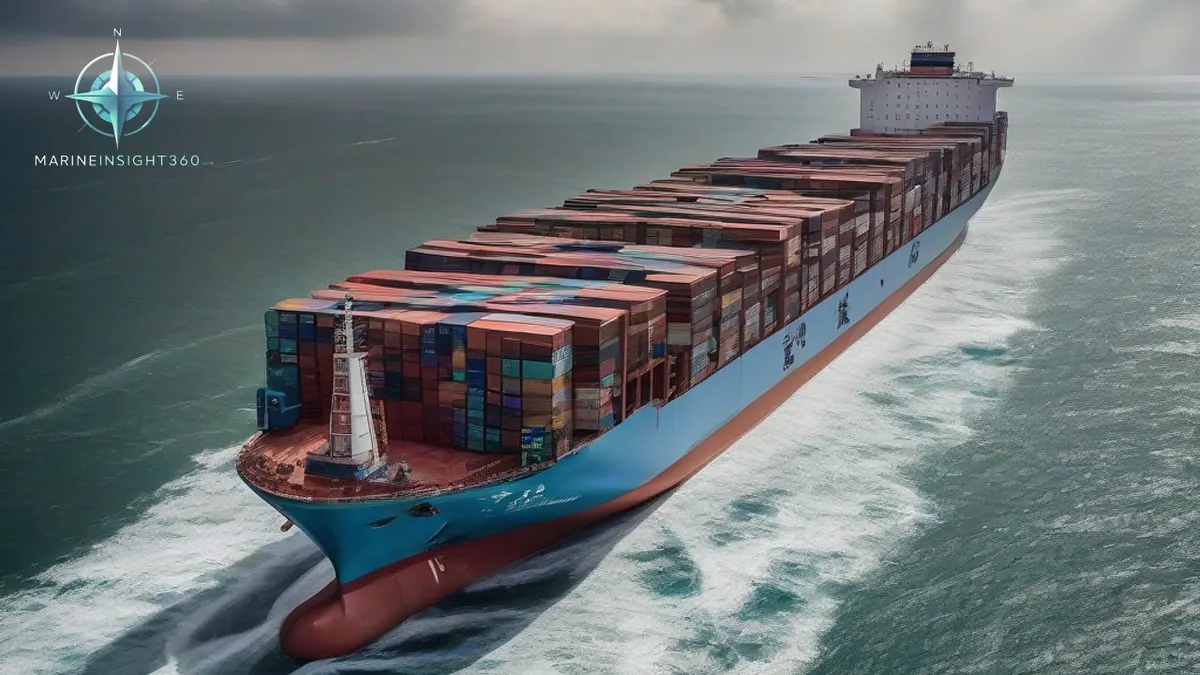
Ukraine Claims Attack on 14 More Russian Ships in the Sea of Azov
Ukraine’s Unmanned Systems Forces announced that they struck 14 Russian vessels overnight in the Sea of Azov, extending a campaign that has repeatedly targeted the region’s shadow fleet of commercial oil tankers.
What the Claim Covers
The forces say the attacked ships include Aura , Mercury , Galiaskar Kamal , Venus III , Penelope , the tugboat Alfo , and Ilya Repin . Other identified targets reported by Ukrainian sources are Chelsea‑6 , Sonar‑1 , the tug Alfeo with its barge Aphrodite , Venera‑3 , and again Penelope .
How the Attack Fits Into a Larger Pattern
Earlier this year, Ukrainian officials reported that 36 ships had been struck, most belonging to Russia’s shadow fleet of commercial oil tankers. A separate analysis claimed 35 Russian vessels were hit in the Sea of Azov. On 8 January 2026, a Russian shadow‑fleet operation reportedly struck 42 tankers out of roughly 50 vessels operating in the same waters.
The latest claim of 14 ships represents the largest number of vessels hit in a single overnight operation, according to Ukrainian Unmanned Systems Forces.
Understanding the Shadow Fleet
The term “shadow fleet” refers to commercial vessels that are used to transport Russian oil and other goods while avoiding detection by sanctions and maritime monitoring. These ships often operate under flags of convenience and are linked to Russian state interests. Attacking them disrupts Russia’s maritime logistics and can impact global oil supply chains.
Strategic Importance of the Sea of Azov
The Sea of Azov is a shallow inland sea bordered by Ukraine and Russia. Its narrow connection to the Black Sea through the Kerch Strait makes it a critical chokepoint for shipping between the Mediterranean and the Caspian region. Control of the Azov Sea influences access to oil and gas pipelines that feed into European markets.
Implications for Shipping Operators
- Route Planning: Shipping lines that previously used the Azov Sea for oil transport may need to reassess their routing options, especially if the shadow fleet’s operational capacity is reduced.
- Insurance Premiums: Insurers may raise premiums for vessels operating in or near the Azov Sea due to increased risk of conflict‑related incidents.
- Regulatory Compliance: Operators must stay informed about evolving sanctions and maritime regulations that could affect the use of certain flags or ports in the region.
- Risk Management: Companies should review their contingency plans for potential disruptions, including alternative supply routes and emergency response protocols.
What Shipping Professionals Should Do Now
Stay updated on the latest developments by consulting reliable sources. Marine Insight’s Knowledge Base offers detailed analyses of maritime conflict zones, sanctions, and risk assessment tools. If you manage a fleet that could be affected, consider reviewing your operational plans and insurance coverage in light of the recent attacks.
Key Takeaway
Ukraine’s claim of striking 14 Russian vessels in the Sea of Azov underscores the ongoing volatility of maritime logistics in the region. Shipping professionals should monitor the situation closely, adjust routes if necessary, and engage with risk management resources to safeguard operations.