
Ukraine Says It Targeted 21 Russian Oil Tankers in Overnight Operation in Sea of Azov
Ukraine’s drone strike on 21 Russian oil tankers in the Sea of Azov highlights risks for maritime operations. Learn what seafarers should know.
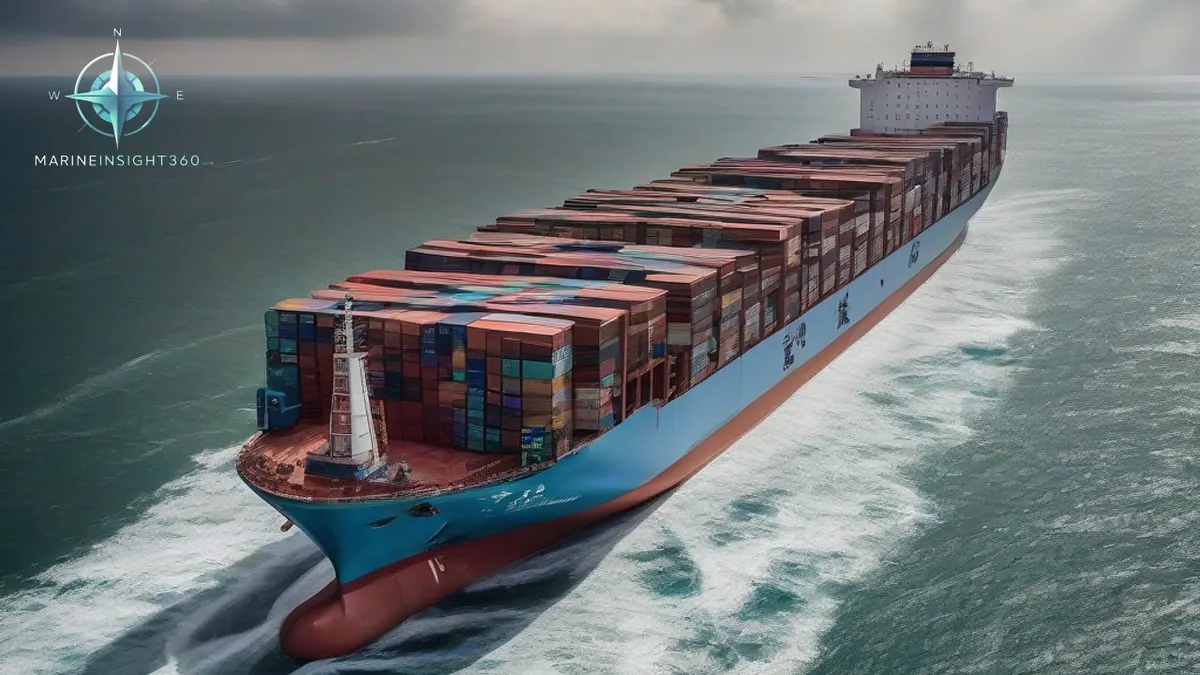
Ukraine Says It Targeted 21 Russian Oil Tankers in Overnight Operation in Sea of Azov
On the night of 9 July, Ukrainian forces announced that their drone units struck 21 Russian‑flagged oil tankers in the Sea of Azov. The claim follows a series of rapid attacks that have already seen 10 tankers hit in a single night and a total of 21 vessels struck in just 72 hours. For seafarers and shipping operators, the event raises immediate questions about route safety, cargo security, and compliance with international sanctions.
Operation Overview
The Ukrainian military described the operation as a “large‑scale” strike, targeting vessels that were part of Russia’s so‑called “shadow fleet.” The fleet is believed to consist of smaller, often unregistered tankers that transport fuel and other energy products from Russian ports to Crimea and other occupied territories. The drones reportedly engaged the ships while they were transiting the narrow waterway between the mainland and the peninsula.
Key Figures
- 21 Russian oil tankers targeted overnight.
- Earlier in the week, two tankers each carried about 7,000 tons of fuel from the Taganrog area to Crimea.
- Eight small Russian fuel tankers were struck in a separate operation earlier that week.
- In a 72‑hour period, Ukrainian drones hit 21 Russian‑flagged vessels in the Sea of Azov.
- On 8 July, 10 oil tankers belonging to the shadow fleet were hit while sailing across the Azov Sea.
Understanding the “Shadow Fleet”
The term “shadow fleet” refers to a group of vessels that operate under less visible flags or without full registration. They are often used to move fuel and other strategic commodities to regions under Russian control. The Ukrainian Security Service (SBU) has identified this fleet as a key target because it supplies the energy infrastructure of occupied Crimea.
These ships are typically smaller, making them harder to detect and track. Their movements are often coordinated with Russian military logistics, which means they can be a high‑risk target for both military and commercial shipping in the area.
Implications for Maritime Operations
1. Route Planning Shipping lines operating in the Black Sea and adjacent waters should reassess the safety of routes that pass near the Sea of Azov. The narrow strait between the mainland and Crimea has become a hotspot for drone attacks. Operators may need to consider alternative passages, such as the Bosphorus or the Dardanelles, despite the additional time and cost.
2. Vessel Identification The attacks focused on Russian‑flagged tankers, many of which are part of the shadow fleet. Commercial vessels should verify the flag state and ownership of any tanker they encounter in the region. Misidentification can lead to inadvertent involvement in sanctioned activities.
3. Insurance and Liability The increased risk of drone strikes may affect insurance premiums for vessels operating near the Sea of Azov. Insurers are likely to reassess coverage terms for fuel transport in conflict zones, potentially raising costs for shipping companies.
4. Compliance with Sanctions Many of the targeted vessels are believed to be involved in transporting fuel to Crimea, a territory under international sanctions. Shipping companies must ensure they are not inadvertently supporting sanctioned activities. This includes verifying cargo manifests and ensuring that any fuel transshipment complies with the latest U.N. and national sanctions regimes.
Common Mistakes to Avoid
- Assuming that all Russian‑flagged vessels are legitimate commercial ships. Some may be part of the shadow fleet.
- Underestimating the speed and precision of drone attacks. Even small vessels can be struck if they are in the wrong place at the wrong time.
- Neglecting to update crew training on conflict‑zone navigation and emergency procedures.
- Failing to monitor real‑time intelligence feeds. Situations can change rapidly, and outdated information can lead to costly decisions.
What Seafarers Should Do Now
• Check the latest maritime security alerts from the International Maritime Organization (IMO) and local maritime authorities. • Review the vessel’s flag and ownership records before accepting any cargo that could be linked to the shadow fleet. • Consult your insurer about any changes to coverage or risk assessments for operations near the Sea of Azov. • Ensure that crew members are briefed on emergency response to drone strikes, including evacuation routes and damage control procedures. • Keep an eye on sanctions updates from the U.S.
Treasury, UK HM Treasury, and the European Union to avoid inadvertent violations.
Next Steps for Shipping Professionals
For those managing fleets or chartering vessels, it is advisable to consult Marine Insight 360’s Shipboard Operations section for detailed guidance on navigating conflict zones. If you need to assess the risk of a particular route or vessel, the Knowledge Base offers up‑to‑date articles on maritime security and sanctions compliance.
Conclusion
The overnight attack on 21 Russian oil tankers in the Sea of Azov underscores the heightened risk for maritime operations in conflict zones. By staying informed, verifying vessel identities, and adjusting routes and insurance strategies, shipping professionals can mitigate the impact of such incidents on their operations.