
Understanding Sea Lines of Communication
Learn what SLOCs are, why they matter for trade and security, key global chokepoints, threats and protection measures for seafarers and operators.
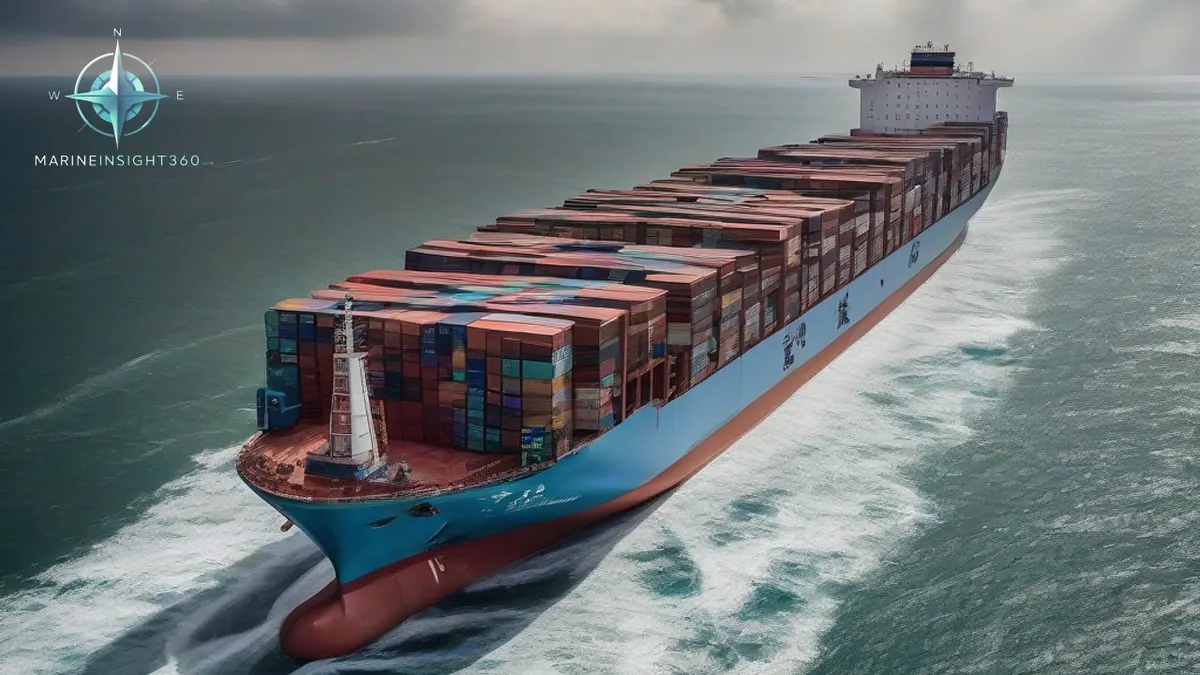
Understanding Sea Lines is the focus of this article because it connects ship operators, insurers, charterers and route planners with the wider question behind Understanding Sea Lines of Communication.
What Exactly Are SLOCs?
Sea Lines of Communication, or SLOCs, are wide maritime corridors that link major ports and enable the flow of commercial cargo, naval forces, and supplies worldwide. Unlike narrow sea lanes, SLOCs cover entire routes and are strategically critical for trade and security.
How SLOCs Differ From Ordinary Sea Lanes
Sea lanes are narrow paths that vessels follow to avoid hazards and improve navigation efficiency. SLOCs, by contrast, encompass the full breadth of a corridor that connects ports and supports a wide range of maritime activity. While sea lanes focus on safe passage, SLOCs are identified for their economic and strategic significance.
Strategic Value of Controlling a SLOC
In peacetime, controlling a SLOC guarantees the smooth flow of global seaborne trade. In wartime, dominance over a SLOC can restrict an adversary’s resupply and limit force projection. Nations therefore allocate naval assets and surveillance to protect these corridors, recognizing that control can shape economic prosperity and wartime outcomes.
Key Global Chokepoints That Shape SLOCs
Certain narrow passages concentrate the world’s maritime traffic, making them vulnerable segments of any SLOC. The most critical chokepoints include:
- Strait of Malacca
- Suez Canal
- Panama Canal
- Strait of Hormuz
- Bab el-Mandeb
Threats That Target SLOCs
Maritime security reports note various threat categories that can disrupt SLOCs. These include piracy, sea mines, and geopolitical tension. Each threat can increase the risk to vessels, delay cargo, and raise insurance premiums.
How Nations Protect Their SLOCs
International and regional navies employ counter‑measures to safeguard SLOCs. Common protection measures are joint patrols, anti‑piracy operations, surveillance, and naval exercises. These actions aim to deter hostile activity and reassure commercial shipping of safe passage.
Why Seafarers, Cadets, and Shipping Professionals Need to Know About SLOCs
Understanding SLOCs equips maritime crews and managers with the insight needed to navigate commercial imperatives and security challenges. Knowledge of chokepoints, threat landscapes, and protection measures helps crews plan routes, assess risks, and comply with national security requirements.
Decision Criteria for Route Planning
When selecting a route, operators weigh the trade‑off between speed and risk. A direct path through a chokepoint may shorten transit time but exposes vessels to higher threat levels. Conversely, a longer detour can reduce exposure but increase fuel costs and delivery times.
Common Mistakes to Avoid
1. Assuming all sea lanes are equally safe. 2. Ignoring the strategic importance of a corridor. 3. Underestimating the impact of geopolitical tension on a SLOC. 4. Failing to coordinate with naval authorities when operating near a chokepoint.
Operational Impact for Crew and Shipowners
Increased security measures can lead to additional crew training, higher insurance premiums, and potential delays for inspections. Shipowners must budget for these costs while maintaining competitive delivery schedules.
Cost and Time Factors
Operating through a high‑risk SLOC can raise insurance rates by up to 20% and add several days to a voyage. While detours mitigate risk, they also increase fuel consumption and crew fatigue.
Next Steps for Maritime Professionals
For deeper insight into maritime security and route planning, consult Marine Insight 360’s Maritime Security guide. The guide offers detailed case studies, threat assessments, and best‑practice recommendations for navigating SLOCs safely.
Why this matters
Understanding Sea Lines matters because maritime decisions rarely sit in one department. A route story may affect insurance, crew planning and cargo timing. A machinery topic may affect maintenance, safety permits and spare-part planning. A career question may affect training, documents and joining readiness.
For readers in the United States, United Kingdom, Europe, Canada, Australia, Singapore and other mature maritime markets, the useful angle is practical: what changes, what remains uncertain, and which checks should happen before a decision is made.
Operational context
In daily maritime work, understanding sea lines should be compared with vessel type, flag requirements, company procedures, port expectations, cargo risk and crew competence. The same topic can look different on a container ship, bulk carrier, tanker, offshore vessel, training ship or shore-side logistics desk.
That is why this article avoids treating the subject as a standalone headline. It connects the issue with the checks that ship operators, insurers, charterers and route planners can use when reading a report, preparing for a voyage, reviewing a procedure or planning a career step.
For connected route-risk and trade coverage, continue with the maritime markets hub.
Recommended Reading
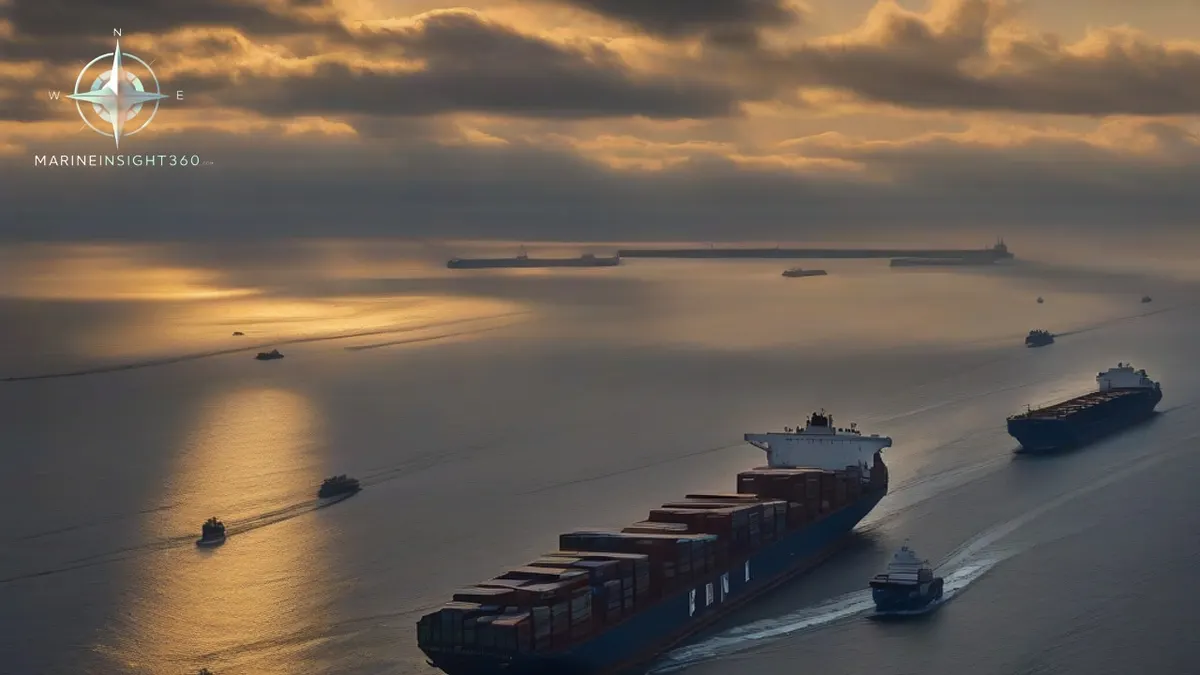
What are Sea Lines of Communication (SLOCs)?
SLOCs are major maritime routes connecting ports around the world for commercial, military/naval, logistical, and other purposes.

What are Lubber lines?
What are Lubber lines?: safety, training and compliance context for US, UK, Canada, Australia, Singapore and European maritime readers.
What are the Three Ship Communication Tools?
What are the Three Ship Communication Tools?: safety, training and compliance context for US, UK, Canada, Australia, Singapore and European maritime...