
US Launches Fresh Iran Strikes As Tehran Declares Hormuz Closed
US launches fresh strikes on Iran after Tehran declares Strait of Hormuz closed. What it means for shipping routes, risk assessment, and cost.
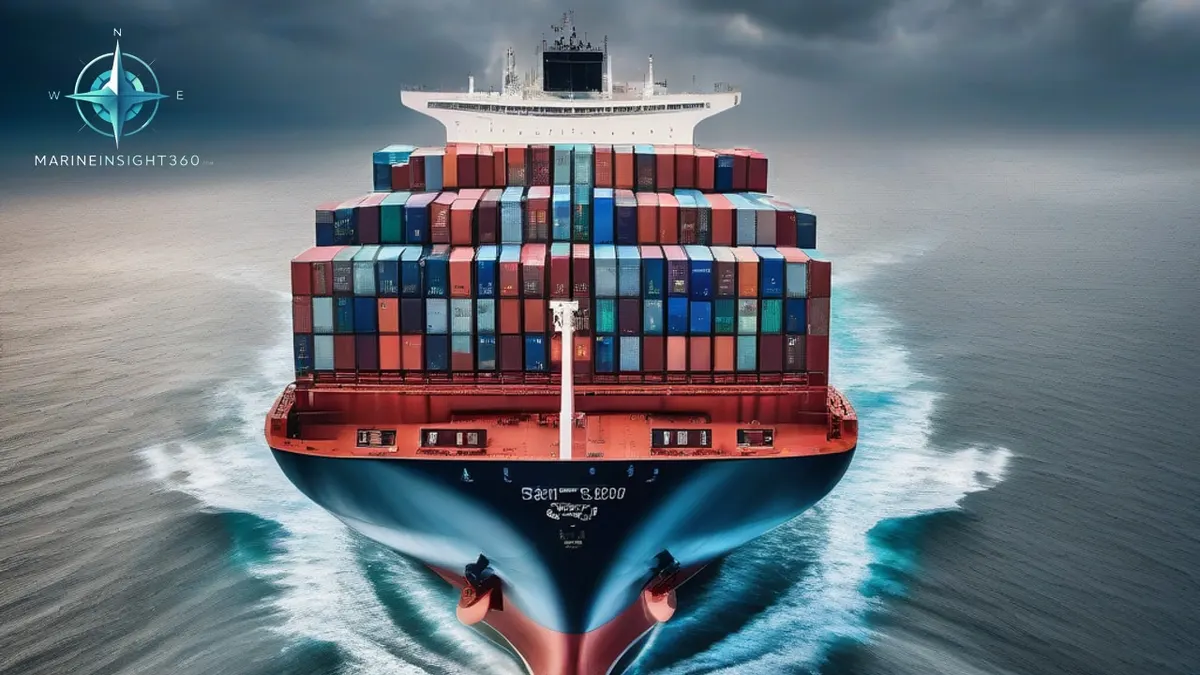
US Strikes Iran After Tehran Declares Hormuz Closed – What Shipping Operators Must Know
The United States launched a third wave of air strikes against Iran on July 12, 2026, after Tehran announced that the Strait of Hormuz would remain closed until a U.S. blockade is lifted. The escalation follows Iranian forces striking a cargo ship that was transiting the strait. Shipping companies, crew and port operators now face a sudden shift in the risk profile of one of the world’s most critical chokepoints.
Immediate Operational Impact for Shipping
With the strait closed, vessels that normally pass through the 60‑mile stretch between Oman and Iran must seek alternate routes. The most common detours are the Cape of Good Hope or the Suez Canal, both adding roughly 2,000–3,000 nautical miles and 10–12 days to the journey. This increase in distance translates directly into higher fuel consumption, crew costs, and potential delays in delivery schedules.
In addition, the U.S. military’s claim of hitting 140 targets in Iran overnight raises concerns about the security of vessels in the broader Persian Gulf region. While the U.S. has not confirmed the exact nature of the targets, the intensity of the strikes suggests that any ship operating near Iranian waters could be at risk of secondary attacks or collateral damage.
Risk Assessment and Decision Criteria
When deciding whether to reroute, operators should weigh the following criteria:
- Geopolitical Stability: Iran’s closure of the strait is a direct response to U.S. military action. The situation is fluid; a sudden policy shift could reopen the strait or trigger further hostilities.
- Insurance Coverage: Many marine insurers exclude coverage for vessels operating in conflict zones. A reroute may be necessary to maintain valid insurance policies.
- Port Availability: Alternate ports along the Cape of Good Hope or Suez Canal may be congested or have higher berth fees. Operators must assess berth availability and potential delays.
- Fuel Costs: Extended routes increase bunker consumption. Operators should calculate the cost differential against the potential revenue loss from delayed delivery.
- Crew Welfare: Longer voyages can strain crew morale and health. Consider crew rotation schedules and the availability of shore leave.
Decision makers should also consult real‑time intelligence from maritime security agencies and the U.S. Department of Defense. The U.S. Navy’s latest statement that it has “hit 140 targets” indicates a high level of operational tempo that could affect maritime traffic patterns.
Common Mistakes and How to Avoid Them
1. Ignoring Updated Risk Assessments: Shipping companies often rely on static risk maps. In a rapidly evolving conflict, outdated risk assessments can lead to costly oversights.
2. Underestimating Fuel and Time Costs: A 2,500‑mile detour can add 10 days and 1,200 tons of fuel. Failing to budget for these expenses can erode profit margins.
3. Overlooking Port Congestion: The Suez Canal, for instance, has a high traffic density. A sudden influx of rerouted vessels can create bottlenecks, delaying departures.
4. Neglecting Crew Welfare: Extended voyages increase the risk of fatigue. Operators should plan for additional rest periods and consider crew rotation policies.
Cost and Time Implications
Assuming a 3,000‑mile detour and an average fuel burn of 20 tons per 1,000 nautical miles, a vessel would consume an extra 60 tons of fuel. At a bunker price of $700 per ton, that’s $42,000 per voyage. Add the cost of higher port fees—often 15–20% more at alternate ports—and the total surcharge can reach $60,000 to $80,000 per ship.
Time-wise, the additional 12 days can disrupt contractual delivery windows, especially for perishable cargoes or time‑sensitive equipment. Shipping lines may need to renegotiate terms with shippers or seek compensation for delays.
Strategic Considerations for Long‑Term Planning
Operators should view the current situation as a catalyst for reviewing long‑term routing strategies. Diversifying route options, investing in more fuel‑efficient vessels, and establishing contingency plans for chokepoint closures can reduce exposure to future geopolitical shocks.
Moreover, the incident underscores the importance of maintaining robust maritime security protocols. Regular drills for crew on emergency response, clear communication channels with maritime authorities, and real‑time monitoring of conflict zones can mitigate risk.
In the broader context, the U.S. and Iran’s exchange of strikes signals a heightened risk environment in the Middle East. Shipping companies must stay alert to any changes in the status of the Strait of Hormuz, as its reopening could offer a faster route but may also carry residual security risks.
Why This Matters to the Industry
The closure of the Strait of Hormuz and the accompanying U.S. strikes have immediate, measurable impacts on shipping routes, costs, and crew welfare. Understanding these factors enables operators to make informed decisions that balance safety, cost, and schedule integrity.
Next step: review your vessel’s risk assessment in the Marine Insight 360 Knowledge Base and consult the Shipboard Operations section for guidance on rerouting protocols during geopolitical disruptions.