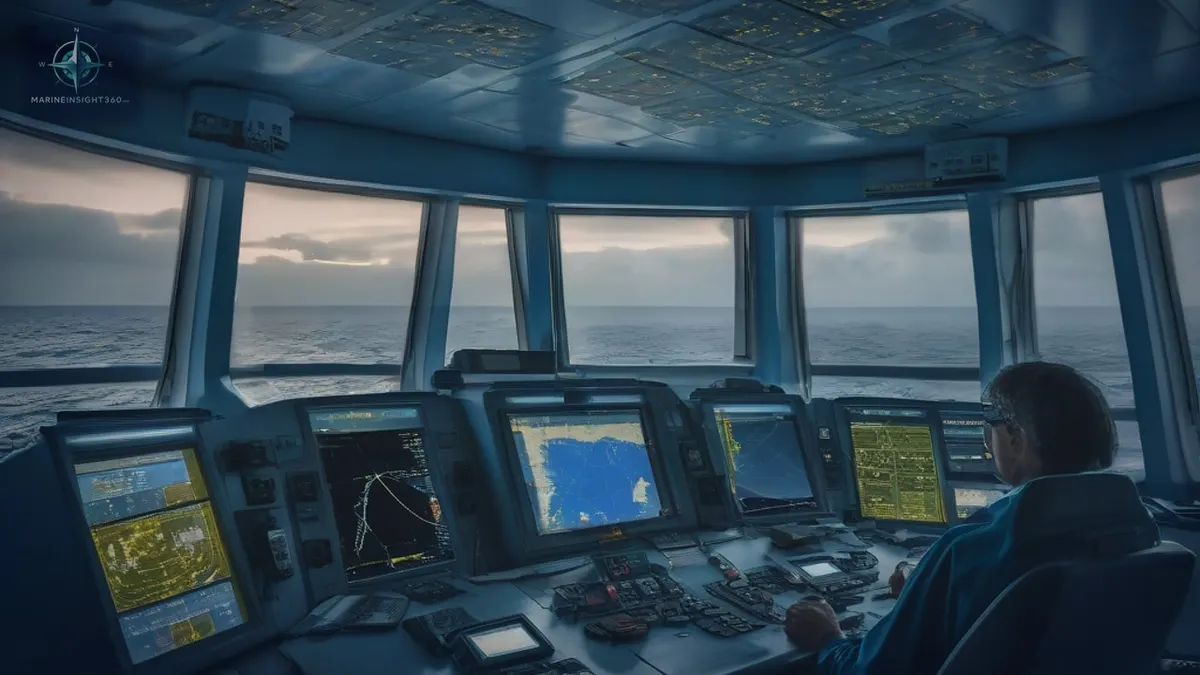
US vice president warns Iran of military response if it attacks shipping
U.S. Vice President JD Vance warns Iran of military retaliation for attacking shipping. Learn how this impacts seafarers, shipping routes, and safety protocols.
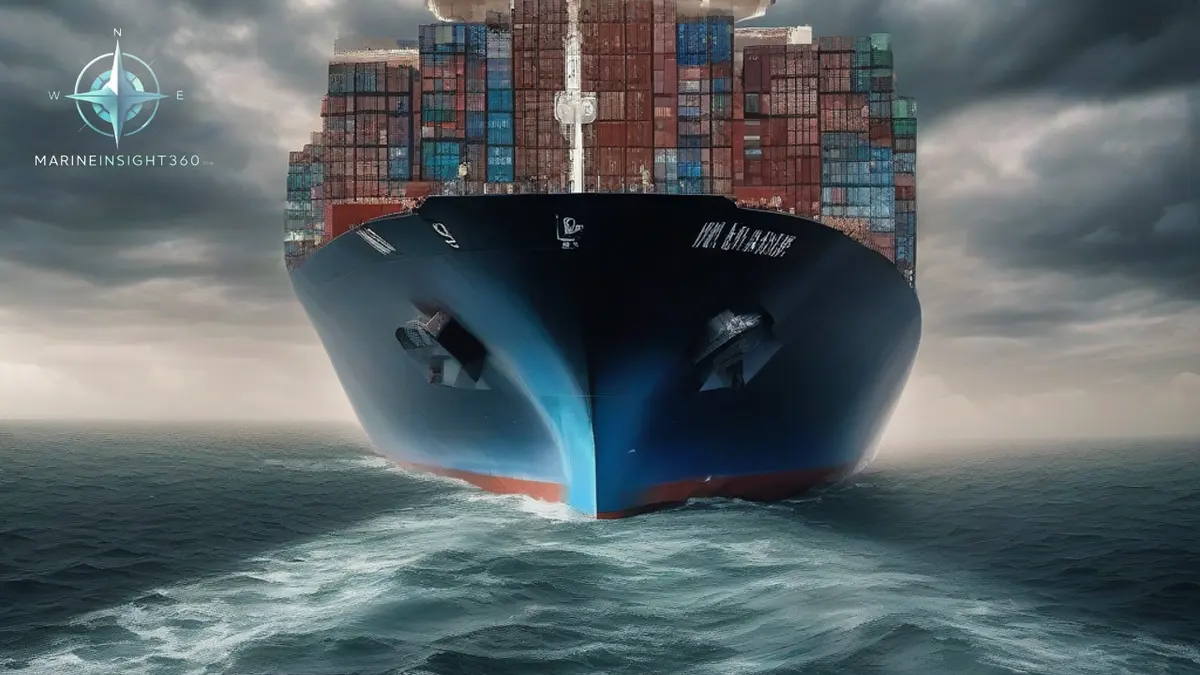
US Vice President JD Vance has warned Iran that further attacks on merchant shipping will bring a military response, a warning that is backed by US strikes on Iranian targets and the seizure of the Iranian-flagged ship Touska.
U.S. Vice President Warns Iran of Military Action Over Shipping Attacks – Implications for Seafarers
U.S. Vice President JD Vance has explicitly warned Iran that any further attacks on maritime shipping will provoke a military response. This follows recent U.S. strikes against Iranian military targets and the seizure of an Iranian-flagged cargo ship, raising tensions in the Gulf of Oman and Strait of Hormuz. For seafarers, cadets, and shipping professionals, understanding these developments is critical for navigating safety, compliance, and geopolitical risks.
Key Events in the U.S.-Iran Maritime Standoff
1. U.S. VP’s Direct Warning Vice President Vance stated that Iran would face “violence” if it targeted shipping lanes. This follows U.S. military actions after Iran’s Revolutionary Guards attacked a cargo ship, prompting American strikes on Iranian positions. Vance emphasized that “violence will be met with violence,” signaling a hardline stance.
2. USS Spruance Seizes Iranian Cargo Ship On Sunday, the U.S. Navy’s USS Spruance intercepted and seized the Iranian-flagged container ship *Touska* in the Gulf of Oman. The vessel was reportedly carrying unspecified cargo linked to Iranian military operations. This action escalated tensions, with Iran vowing retaliation.
3. Iran’s Retaliation and Escalation Iran’s Revolutionary Guards responded to U.S. strikes by targeting military positions in the Gulf. They warned of a “broader response” if attacks continue, heightening risks for commercial vessels transiting the region. The Strait of Hormuz, a critical global energy chokepoint, remains a focal point due to threats of mining or blockades.
Implications for Seafarers and Shipping Operations
1. Increased Risk in the Gulf Region Vessels operating in the Gulf of Oman, Strait of Hormuz, or Arabian Sea face heightened risks of military confrontation, piracy, or targeted attacks. Crews should remain vigilant for unexplained vessels, drones, or sudden changes in maritime traffic patterns.
2. Route Adjustments and Safety Protocols Shipping companies may reroute vessels away from high-risk zones, impacting transit times and fuel costs. Seafarers should familiarize themselves with contingency routes and updated voyage plans. Enhanced security measures, such as increased watch schedules and restricted-area protocols, are likely to be enforced.
3. Communication and Compliance Crews must monitor official maritime alerts from agencies like the U.S. Coast Guard or the International Maritime Organization (IMO). Compliance with flag-state regulations and port-state security requirements is essential, particularly for ships flagged in neutral or allied nations.
There is no sea route around the Strait of Hormuz
Advice to plan contingency routes has a hard limit here. Cargo loaded in Kuwait, Iraq, Bahrain, Qatar and at the Gulf terminals of Saudi Arabia and the UAE leaves through Hormuz, because the Gulf has no other sea exit. The traffic separation scheme runs inbound and outbound lanes about two miles wide, so a ship cannot stand off into open water to keep clear of the narrows.
Those lanes lie inside the territorial seas of Iran and Oman, and merchant ships use them under the transit passage regime of UNCLOS, which a coastal state may not suspend. That is the legal position, and it does not stop a missile. What it means in practice is that the decision facing an operator is whether to lift the cargo at all, not which way to steer around the chokepoint.
Who a master calls in the Gulf of Oman
The first report goes to UKMTO in Dubai, the United Kingdom's naval liaison point for merchant shipping across the Gulf of Oman, the Arabian Sea and the western Indian Ocean. Ships register their transit and report anything suspicious to that watch, and those reports, rather than company circulars, are what put a naval asset on the scene.
The industry guidance is the Best Management Practices series published jointly by ICS, BIMCO, INTERTANKO and OCIMF, which sets the reporting, watchkeeping and hardening measures for the region. SOLAS Chapter XI-2, Regulation 6 sits alongside it and requires a ship security alert system, giving the master a covert route to the company and the flag state.
Drills are the part worth reviewing now. A missile or drone warning gives minutes, so the useful preparation is a rehearsed muster clear of the outer bulkheads of the accommodation, a plan for keeping the engine room manned, and a decision on who talks to UKMTO while the bridge works the ship.
Source and verification
This report is based on information published by mezha.net. Claims attributed to military or government parties remain claims unless independently confirmed.