
Mooring a Ship: How Vessels Are Secured, and Why It's So Dangerous
Mooring is how a ship is secured to a berth, buoy or anchorage. The lines, the winches, the snap-back danger and the practices that keep deck crews alive.
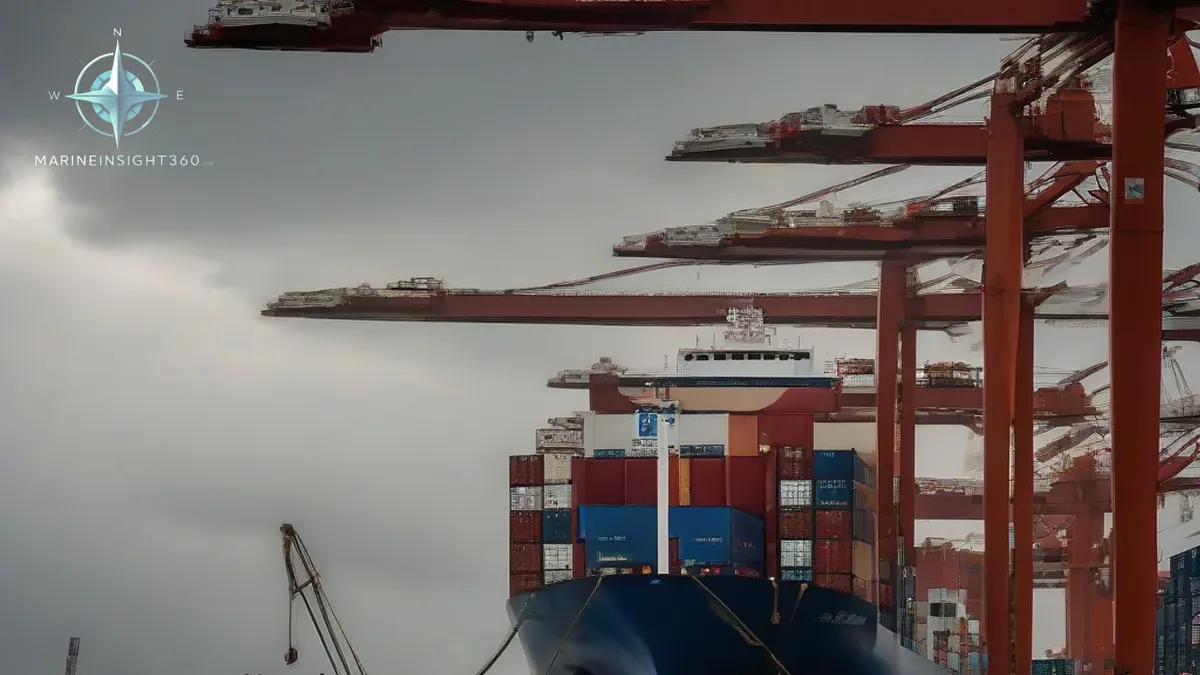
Mooring is the operation by which ships are secured to a berth, a buoy, another vessel or the seabed, and it ranks among the most dangerous jobs on deck because a parted line snaps back with lethal force.
Mooring is the operation of securing a ship to a fixed point: a berth, a buoy, another vessel or the seabed. At a quay it means running an arrangement of ropes and wires from the ship's winches to shore bollards so the vessel stays exactly where cargo work needs her, against wind, current and passing traffic.
It looks like the calmest job in shipping and ranks among the most dangerous. A tensioned line stores energy like a spring, and when one parts it whips across the deck faster than anyone can react. Every experienced deck officer can name the incidents that taught their fleet respect.
The Lines and What Each One Does
- Head and stern lines run forward from the bow and aft from the stern, holding the ship's ends to the berth.
- Breast lines run nearly perpendicular to the ship, pinning her alongside.
- Spring lines run diagonally, forward spring aft and aft spring forward, and stop the ship surging ahead or astern along the quay.
A typical arrangement mixes all three in a pattern matched to the berth, the weather forecast and the ship's freeboard change as cargo moves. The plan is drawn before arrival, not improvised on the wall.
The Gear That Does the Work
Lines lead from drum winches through fairleads and over bitts, with the winch brakes, not the ropes, designed to be the first thing that slips in an overload. Rope technology quietly revolutionized the job: modern high-modulus synthetic lines float, weigh a fraction of old wires and handle safely, but they part with less warning, which pushed the industry toward strict inspection and retirement schedules for every line aboard. Tails, joining shackles and self-tensioning winches each bring their own procedures.
Beyond the Berth
Not all securing happens at a quay. Ships ride to buoys in harbors and to single point moorings offshore, where tankers load at terminals too exposed for a berth, swinging freely around the connection as wind and current dictate. Ship-to-ship operations moor two moving vessels to each other with fenders between. And anchoring is the oldest form of all, holding to the seabed itself; our buoy guide below covers the permanent hardware version.
Why the Deck Is Marked in Danger Zones
Snap-back is the killer. When a tensioned line fails it recoils through the zone behind its lead with enormous force, and paint on many decks now marks the areas to keep clear.
Modern practice, driven by tier-1 regulators and the oil majors' inspection regimes in the United States and Europe, treats the whole station as a danger area: minimum crew in exposed positions, no one standing in a bight, communication before every heave, and the officer running the station empowered to stop work when the setup feels wrong.
The same inspections check the paperwork: line certificates, brake test records and the management plan that tracks every rope's history from delivery to retirement. A parted line is investigated like the near-fatality it usually was.
Automation is slowly reshaping the job. Vacuum-pad systems on some ferry and container berths grip the hull directly and hold a ship without a single rope, while automated and remotely monitored winches adjust tension continuously as tide and cargo change the load. Ports in Northern Europe, Australia and North America lead the adoption.
The technology removes people from the snap-back zones entirely, which is the whole point; where it is fitted, the most dangerous minutes of a port call simply stop existing.
What Good Practice Looks Like
- A plan agreed before arrival, matched to forecast weather and the berth's bollard strength.
- Winch brakes tested and set to render before the line breaks.
- Lines of the same age and material sharing the load evenly, never a new rope paired against a tired one.
- Tending throughout cargo work, because a ship rising or sinking meters as cargo moves will slack or overload everything.
- A crew that treats every tensioned line as loaded, because it is.
- Drills and toolbox talks before arrival, so the newest OS knows the snap-back zones as well as the winch driver does.
What to do next
The hardware and the procedures each have their own guides:
Recommended Reading
Why is Sea Foam Dangerous for Surfers?
Seafoam, that frothy, bubbly substance that washes ashore, often looks whimsical and playful. But for surfers and those who enjoy the ocean, it can pose a…
Why Was Magellan's Pass So Dangerous?
Why Was Magellan's Pass So Dangerous?: ports, trade and shipping-market context for US, UK, Canada, Australia, Singapore and European maritime readers.
Mooring Buoys: A Comprehensive Guide
Mooring Buoys: A Comprehensive Guide: shipboard and port-operations context for US, UK, Canada, Australia, Singapore and European maritime readers.