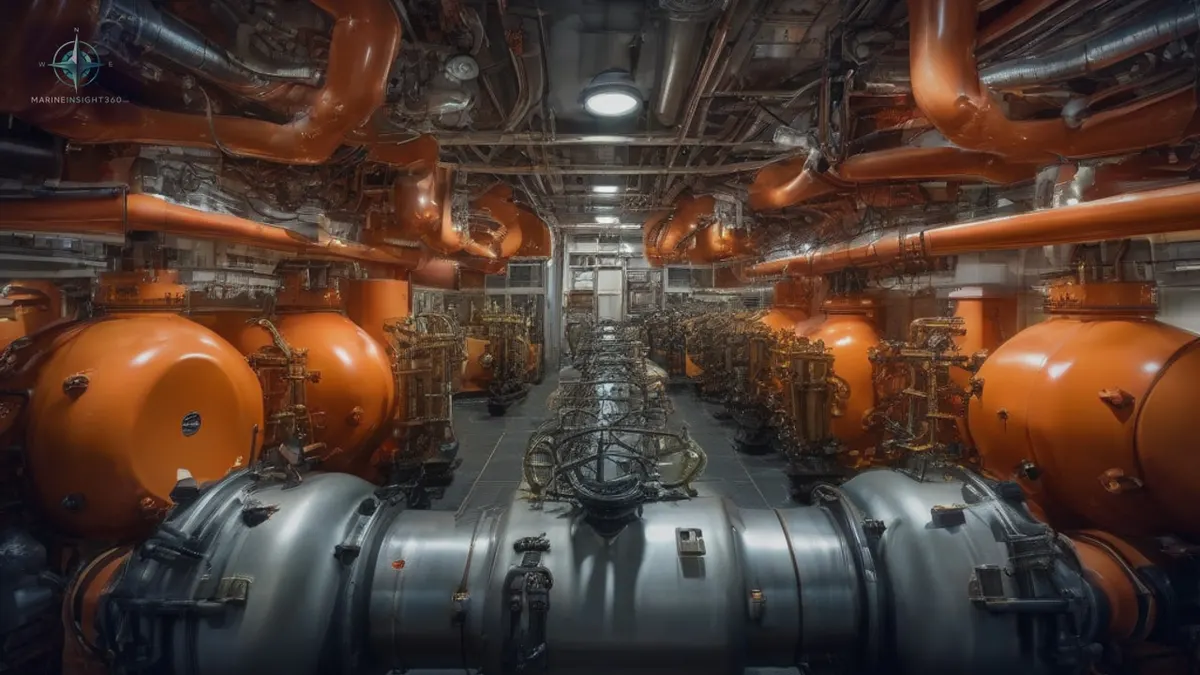
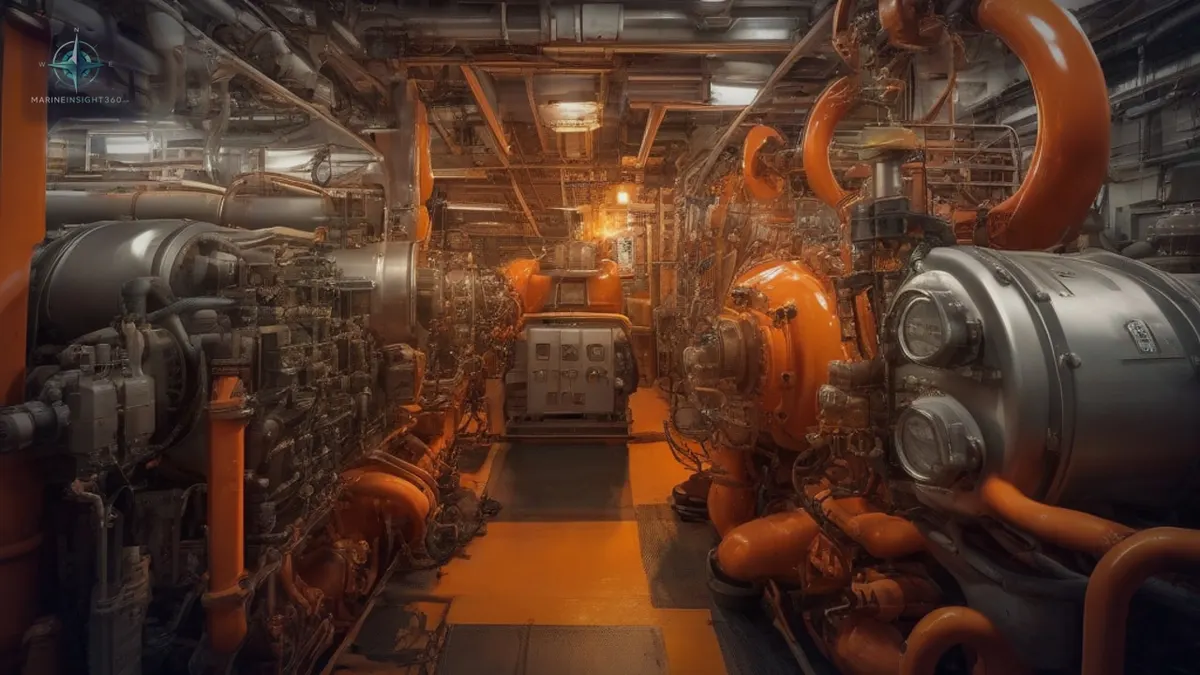
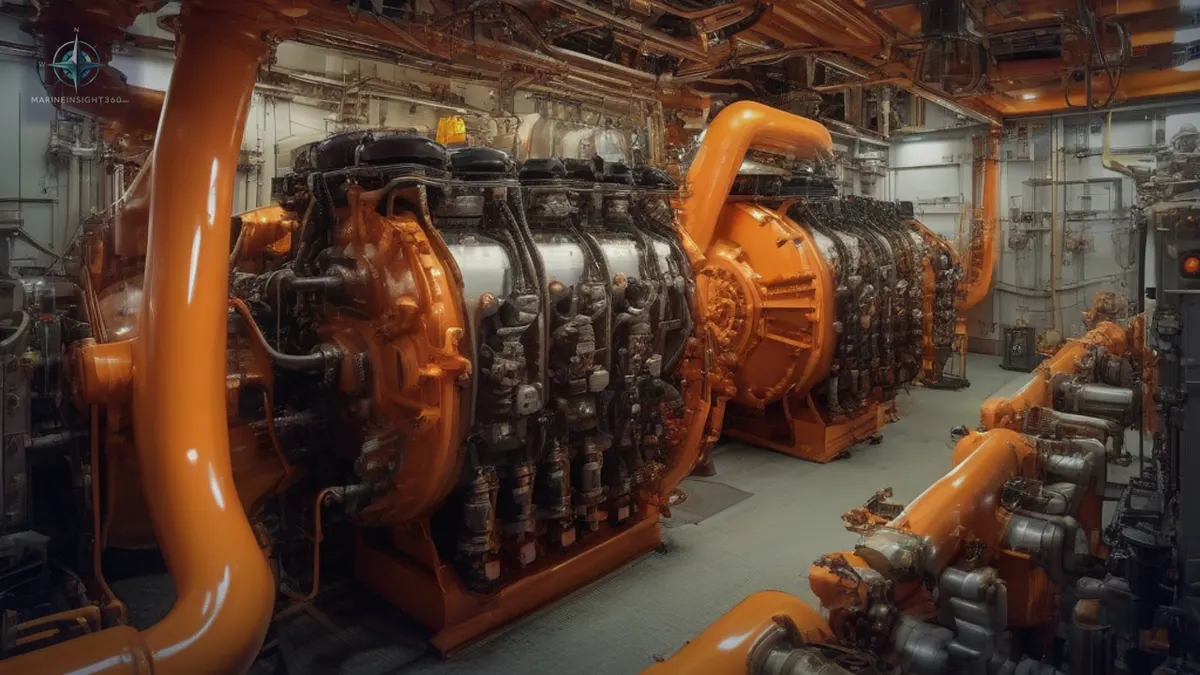
Maintenance Protocols for LNG Fuel Systems
A field guide to keeping dual-fuel and gas systems safe, compliant and running at peak efficiency.
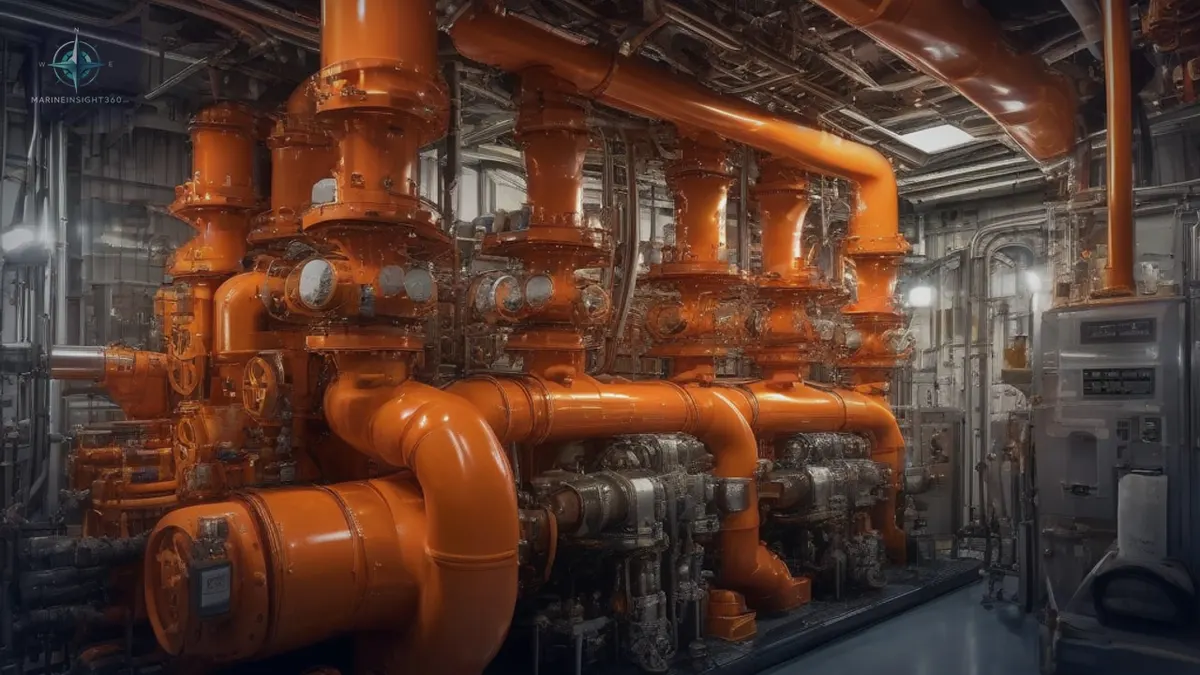
The increasing adoption of liquefied natural gas (LNG) as a marine fuel has led to a growing number of dual-fuel and gas-powered vessels on the water. As of 2022, over 25% of newbuild orders were for LNG-fueled vessels, according to data from Clarksons Research. However, this shift towards cleaner-burning fuels also brings new challenges, particularly with regards to maintenance protocols for LNG fuel systems. The International Maritime Organization (IMO) has established specific guidelines for the safe operation of gas-fueled ships, including the International Code of Safety for Ships using Gases or other Low-flashpoint Fuels (IGF Code), which came into force on January 1, 2017. Despite these regulations, incidents such as the leak of LNG from a cargo ship's fuel system in the Port of Rotterdam in 2020 highlight the need for rigorous maintenance protocols to prevent accidents and ensure compliance with regulatory requirements.
According to the IGF Code, LNG fuel systems must be designed, constructed, and tested to minimize the risk of leakage, explosion, or other hazardous occurrences. This includes requirements for the materials, fabrication, and installation of fuel system components, as well as procedures for testing and inspection. The Code also mandates that ship owners and operators develop and implement a maintenance plan for their LNG fuel systems, which must be approved by the vessel's flag state or a recognized classification society. In practice, this means that ship officers and fleet managers must ensure that their vessels' LNG fuel systems are regularly inspected and maintained to prevent corrosion, wear, and other forms of degradation that could compromise safety and efficiency.
The Paris MOU on Port State Control has also highlighted the importance of proper maintenance and inspection of LNG fuel systems, with a focus on verifying compliance with the IGF Code and other relevant regulations. During a recent port state control inspection, a vessel was detained due to inadequate maintenance of its LNG fuel system, resulting in a significant delay and financial penalty for the ship owner. This incident underscores the need for ship officers and fleet managers to prioritize maintenance protocols for LNG fuel systems, not only to ensure safety and compliance but also to minimize the risk of costly delays and detentions.
Maintenance Planning and Scheduling
The development of a maintenance plan for an LNG fuel system requires a thorough understanding of the system's design, operation, and potential failure modes. This includes identifying critical components, such as fuel pumps, valves, and heat exchangers, and establishing procedures for their inspection, testing, and replacement. The plan must also take into account the vessel's operating profile, including factors such as fuel consumption, sailing routes, and ambient temperature ranges. According to the International Safety Management (ISM) Code, the maintenance plan must be reviewed and updated annually, or whenever changes are made to the vessel's fuel system or operating profile.
The American Bureau of Shipping (ABS) and other classification societies have developed guidelines and standards for the maintenance of LNG fuel systems, including requirements for documentation, record-keeping, and crew training. For example, the ABS Guide for LNG Fuel Systems recommends that ship owners and operators establish a maintenance log to track inspections, repairs, and replacements of fuel system components. This log must be retained on board the vessel and made available to port state control authorities and other regulatory bodies upon request. By following these guidelines and maintaining accurate records, ship officers and fleet managers can demonstrate compliance with regulatory requirements and reduce the risk of accidents and detentions.
In addition to planning and scheduling, the actual maintenance work must be performed by qualified personnel with the necessary training and expertise. The Society of International Gas Tanker and Terminal Operators (SIGTTO) has developed a training program for LNG fuel system maintenance, which covers topics such as system design, operation, and troubleshooting. Ship owners and operators must ensure that their crew members have completed this training or an equivalent program, and that they have the necessary tools and equipment to perform maintenance tasks safely and effectively.
Fuel System Components and Materials
The selection of materials and components for LNG fuel systems is critical to ensuring safety, reliability, and efficiency. The IGF Code requires that fuel system components be designed and constructed to withstand the cryogenic temperatures and high pressures associated with LNG, as well as the corrosive properties of the fuel itself. For example, the Code specifies that fuel tanks and piping must be made from materials with a minimum Charpy impact value of 27 J at -196°C, to ensure that they can withstand the low temperatures and thermal stresses associated with LNG.
The use of cryogenic materials, such as stainless steel and nickel alloys, is common in LNG fuel systems due to their high strength, low thermal conductivity, and resistance to corrosion. However, these materials can be expensive and difficult to fabricate, which has led to the development of alternative materials and technologies. For example, the use of fiber-reinforced polymers (FRP) for LNG fuel tanks has been proposed as a lighter, more cost-effective alternative to traditional steel and aluminum constructions. However, the use of FRP materials is still in the experimental phase, and further research is needed to validate their safety and performance in LNG fuel systems.
The BIMCO Ship Fuel Oil Consumption Calculation and Reporting standard provides a framework for calculating and reporting fuel consumption, which is essential for optimizing the performance of LNG fuel systems. By monitoring fuel consumption and adjusting operating parameters accordingly, ship officers and fleet managers can reduce emissions, lower operating costs, and extend the lifespan of fuel system components. For example, a study by the Maritime and Port Authority of Singapore found that optimizing fuel consumption can reduce CO2 emissions by up to 15% and lower fuel costs by up to 10%.
Implementation and Compliance
The implementation of maintenance protocols for LNG fuel systems requires a structured approach, with clear responsibilities and accountabilities assigned to ship officers, crew members, and shore-based personnel. The IMO Maritime Safety Committee (MSC) has developed guidelines for the implementation of the IGF Code, which include requirements for documentation, training, and drills. For example, the guidelines recommend that ship owners and operators establish a safety management system (SMS) that includes procedures for the safe operation, maintenance, and emergency response of LNG fuel systems.
The DNV GL classification society has developed a set of rules and standards for the design, construction, and operation of LNG-fueled vessels, which include requirements for maintenance planning, crew training, and system testing. By following these rules and standards, ship owners and operators can demonstrate compliance with regulatory requirements and reduce the risk of accidents and detentions. For example, a recent study by DNV GL found that vessels that follow the society's rules and standards for LNG fuel systems have a significantly lower incidence of accidents and near-misses compared to vessels that do not follow these guidelines.
In practice, the implementation of maintenance protocols for LNG fuel systems requires a proactive approach, with regular inspections, testing, and maintenance performed to prevent accidents and ensure compliance with regulatory requirements. By prioritizing maintenance and following established guidelines and standards, ship officers and fleet managers can minimize the risks associated with LNG fuel systems and ensure the safe, efficient operation of their vessels.