
BV: Understanding The Degrees Of Automation In Maritime Innovation
BV: Understanding The Degrees Of Automation In Maritime Innovation: technology, equipment and fleet context for US, UK, Canada, Australia, Singapore...
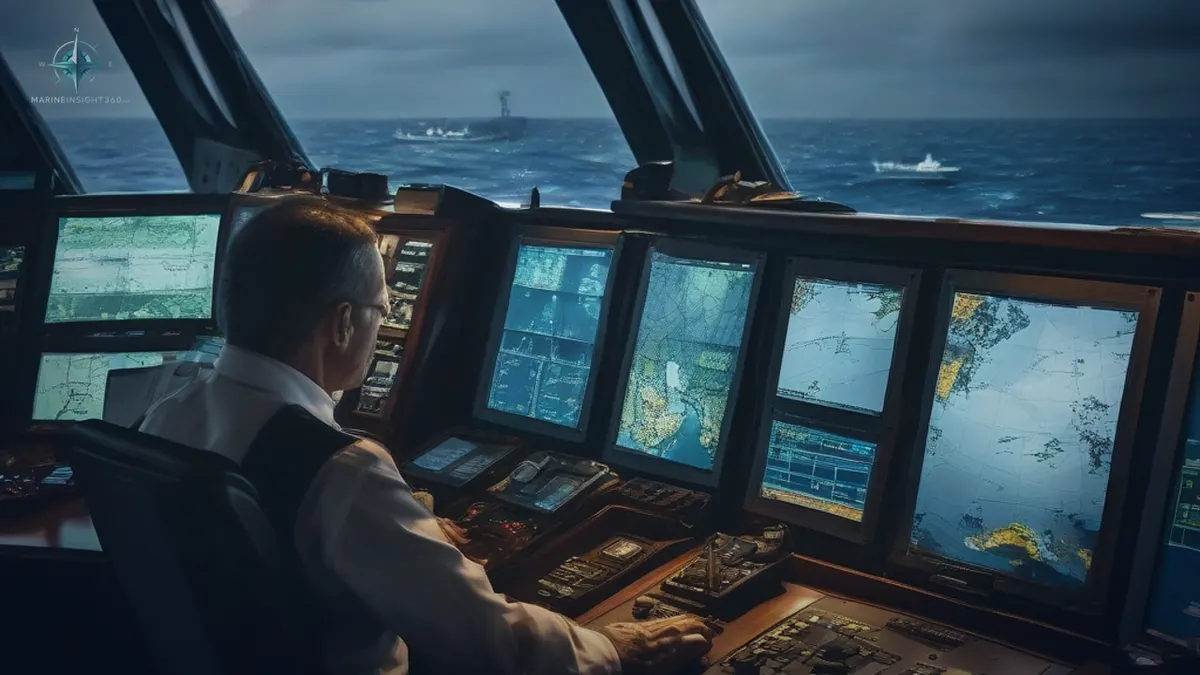
This guide explains degrees in practical maritime terms, with the main points, risks and related guidance placed up front. Bureau Veritas has published a white paper that describes different levels of automation based on two key factors: level of automation and level of control.
Specifically, the level of automation refers to the level of decision-making (authority) that humans delegate to the system. This is a way to differentiate between the human role and the system role since systems perform different functions.
What Is An Autonomous Ship?
BV, “autonomous vessel” is a broad term. A vessel may be equipped with one or more autonomous features. Some can be controlled remotely from shore, while others are completely autonomous. Fully autonomous ships will be able to perform daily tasks using automated systems without human intervention. There are very few such ships left today, and for most, autonomy is only a matter of degree.
Autonomous navigation is still in its infancy, but as the maritime world becomes more digital and connected, shipowners need to understand the potential benefits.
What Are The Advantages Of Autonomous Ships?
The main benefit of autonomous ships is increased safety, simply due to the reduced source of human error. Higher automation and improved decision support will tend to lead to smaller crews operating smarter ships and safer ships. There are areas where this technology can prove more accurate than human senses, such as object recognition based on sensor fusion rather than traditional lookout. However, as the systems that support ship operations become increasingly automated, ships will continue to have crew members on board.
What Is The Difference Between Autonomy And Automation?
BV stresses that the concept of autonomy includes different degrees of autonomy and that the shipping industry has not yet agreed on a framework for defining this autonomy. The Bureau's Veritas determines autonomy based on two factors: the level of automation and the level of control. The level of automation refers to the level of decision-making (authority) that humans delegate to the system.
This is a way to differentiate between the human role and the system role since systems perform different functions. At high levels of automation, the effects of system errors predominate, while at low levels, the effects of human errors predominate, reaching 81.1%. BV identifies four levels of automation in the NI 641 guidelines for autonomous navigation.
What Types Of Autonomous Navigation Ships Already Exist?
As discussed, autonomous navigation has been of particular interest to naval ships. There are also unmanned surface vessels (USVs) that use this technology, such as small hydrographic survey vessels. Fully autonomous ships are now being replaced by intelligent ships with automated systems that can be temporarily controlled remotely from shore.
Next steps
For related career routes, eligibility questions and rank guidance, continue with the merchant navy guide.
Operational context
For maritime readers, degrees is most useful when it is connected to a real vessel, voyage, port call, training decision or safety discussion. The principle may be simple, but the correct action depends on the ship type, company process, route, equipment and crew experience.
Reader checks
- Identify whether the topic affects safety, compliance, maintenance, navigation, cargo or career planning.
- Separate general background from instructions that require a qualified officer, engineer or shore-side approval.
- Use related Marine Insight 360 guides to build a clearer topic cluster before making decisions.
Common mistakes to avoid
Avoid reading one article in isolation when the issue connects to machinery, operations, regulations or careers. Use the maritime glossary to move into the next related topic.
How to use this guide
Use this article as a practical starting point for degrees, then check the details against the vessel, company procedure, local port requirement or training route that applies to your case. Maritime topics often look simple on paper, but the correct decision can change with ship type, rank, cargo, machinery condition, weather, route and documentation status.
If the topic affects safety, compliance, maintenance or career decisions, keep notes of the source, date and any follow-up action needed. Readers who need a wider view can continue through the maritime glossary and connect this page with related explanations before acting.
For onboard teams, the best use is during preparation, handover or review: identify the relevant point, compare it with the vessel's actual condition, and decide who must approve the next action.
Market context for high-compliance maritime regions
For readers in the United States, United Kingdom, Canada, Australia, Singapore and Europe, BV: Understanding The Degrees Of Automation In Maritime Innovation should be compared with technical procurement, maintenance planning, vessel data, port operations and fleet compliance. The same maritime topic can have different practical meaning under USCG, MCA, Transport Canada, AMSA, MPA Singapore and European authority expectations.
Use the market links below to compare how mature shipping markets evaluate maritime technology, equipment, fleet tools and supplier decisions.