
7 Important Parties in Shipping
7 Important Parties in Shipping: regulatory and compliance context for US, UK, Canada, Australia, Singapore and European maritime readers.
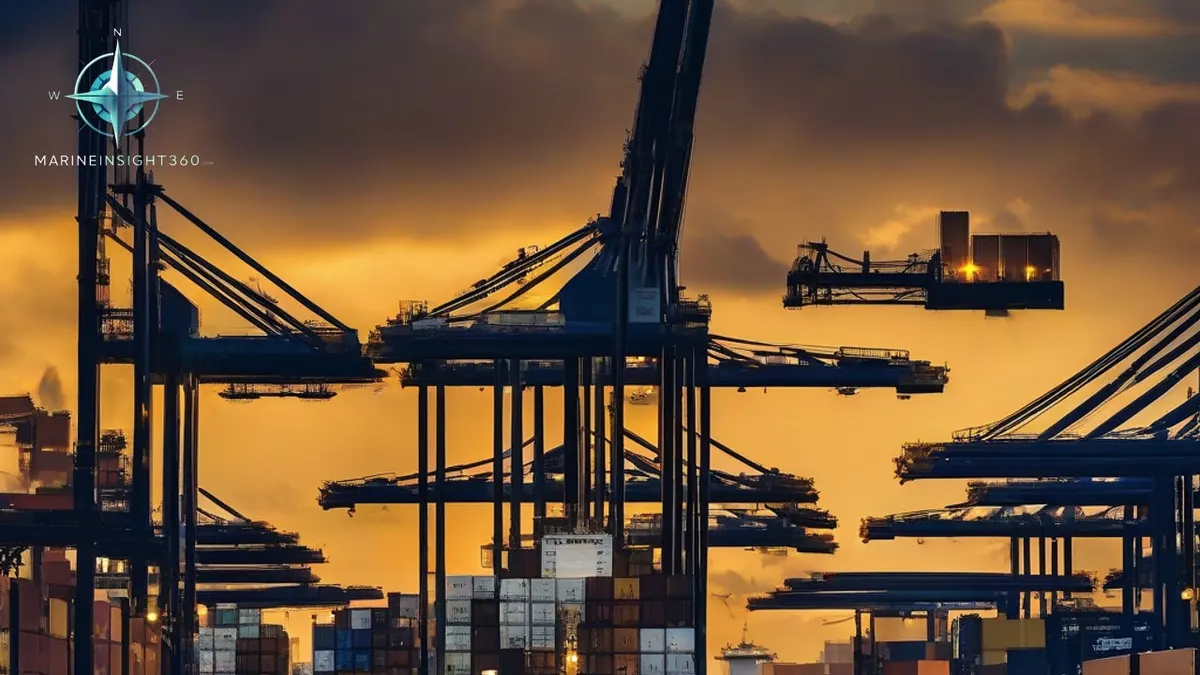
The shipping industry is a complex global network involving multiple stakeholders working together to move goods safely and efficiently across oceans. While ships may seem like standalone operations at sea, behind every voyage is a coordinated effort between several key parties.
Understanding these parties is essential for maritime students, professionals, and anyone involved in international trade. Here are the 7 most important parties in shipping and their roles.
1. Shipowner
The shipowner is the legal owner of the vessel. They are responsible for:
- Ensuring the ship is seaworthy
- Maintaining compliance with maritime regulations
- Providing insurance coverage
- Managing operational expenses
Shipowners may operate vessels themselves or charter them to others.
2. Charterer
A charterer hires the vessel to transport cargo. There are different types of charterers depending on the charterparty agreement:
- Voyage charterer
- Time charterer
- Bareboat charterer
The charterer typically arranges cargo and pays freight or hire charges to the shipowner.
3. Ship Master (Captain)
The Master is the highest authority onboard the vessel and represents the shipowner at sea.
Responsibilities include:
- Navigation and safe operation
- Crew management
- Compliance with laws
- Emergency decision-making
The captain ensures the voyage is conducted safely and efficiently.
4. Ship Agent
A ship agent acts as the local representative of the shipowner or charterer in port.
They handle:
- Port clearance documentation
- Berth arrangements
- Crew changes
- Payment of port charges
Ship agents ensure smooth port operations and communication with authorities.
5. Cargo Owner (Shipper/Consignee)
The shipper sends the goods, while the consignee receives them.
They are responsible for:
- Providing accurate cargo information
- Proper packaging and documentation
- Paying freight charges (depending on agreement)
Cargo owners are central to the commercial aspect of shipping.
6. Classification Society
A classification society ensures that ships meet international safety and construction standards.
They:
- Inspect vessels
- Certify structural integrity
- Approve design and maintenance
Without classification approval, ships cannot operate legally in most international trades.
7. Insurance Providers (P&I Clubs)
Shipping involves risks such as collision, cargo damage, and pollution. Insurance providers protect against these risks.
Key coverage includes:
- Hull and Machinery (H&M)
- Protection and Indemnity (P&I)
- Cargo insurance
P&I Clubs play a vital role in covering third-party liabilities.
The party the list leaves out: the ISM Company
Under the ISM Code the entity carrying the safety duty is "the Company", meaning whoever has taken over responsibility for operating the ship from the owner. That is often a third-party manager, and it is the manager who holds the Document of Compliance while the ship holds its Safety Management Certificate.
The Code also requires a designated person ashore with direct access to the highest level of management. When a master reports a defect the office is slow to fund, the designated person is the route that bypasses the commercial chain. Port state control asks for both certificates, and will ask the crew who the designated person is.
How far the carrier's liability actually runs
Cargo owners often assume the carrier answers for the full invoice value. Under the Hague-Visby Rules the carrier's liability is capped at 666.67 SDR per package or unit, or 2 SDR per kilogram of gross weight, whichever is higher, unless the shipper declared the value on the bill of lading.
That cap is why the insurance sits in separate layers. Hull and machinery answers for damage to the ship itself. The P and I club answers for what the ship does to others: cargo claims inside those limits, crew injury, pollution, wreck removal. Cargo insurance is the shipper's own cover for the gap the cap leaves.
Why These Parties Matter
Shipping is a coordinated system. Each party has specific responsibilities that ensure:
- Safe vessel operation
- Legal compliance
- Efficient cargo transport
- Financial protection
If any party fails in its role, delays, disputes, or accidents may occur.
Final Thoughts
The global shipping industry operates through collaboration among multiple stakeholders. From shipowners and charterers to agents and insurers, each party is important in keeping maritime trade moving.
Understanding these roles helps clarify how international shipping functions as one of the world’s most essential industries.
Recommended Reading
Gangways and Types of Gangways Used in The Shipping World
Gangways and Types of Gangways Used in The Shipping World: ports, trade and shipping-market context for US, UK, Canada, Australia, Singapore and...
ETA and ETD in Shipping: What the Dates Mean and Why They Slip
What ETA and ETD mean in shipping, who sets the dates, why they slip, and how importers should actually read an estimated arrival against free time and fees.
DDP & DDU Shipping Terms Explained
DDP & DDU Shipping Terms Explained: ports, trade and shipping-market context for US, UK, Canada, Australia, Singapore and European maritime readers.