
Admiralty Law: What Seafarers and Ship Operators Should Know
What admiralty law covers: jurisdiction, maritime liens and ship arrest, salvage, general average, limitation of liability and seafarer injury claims.
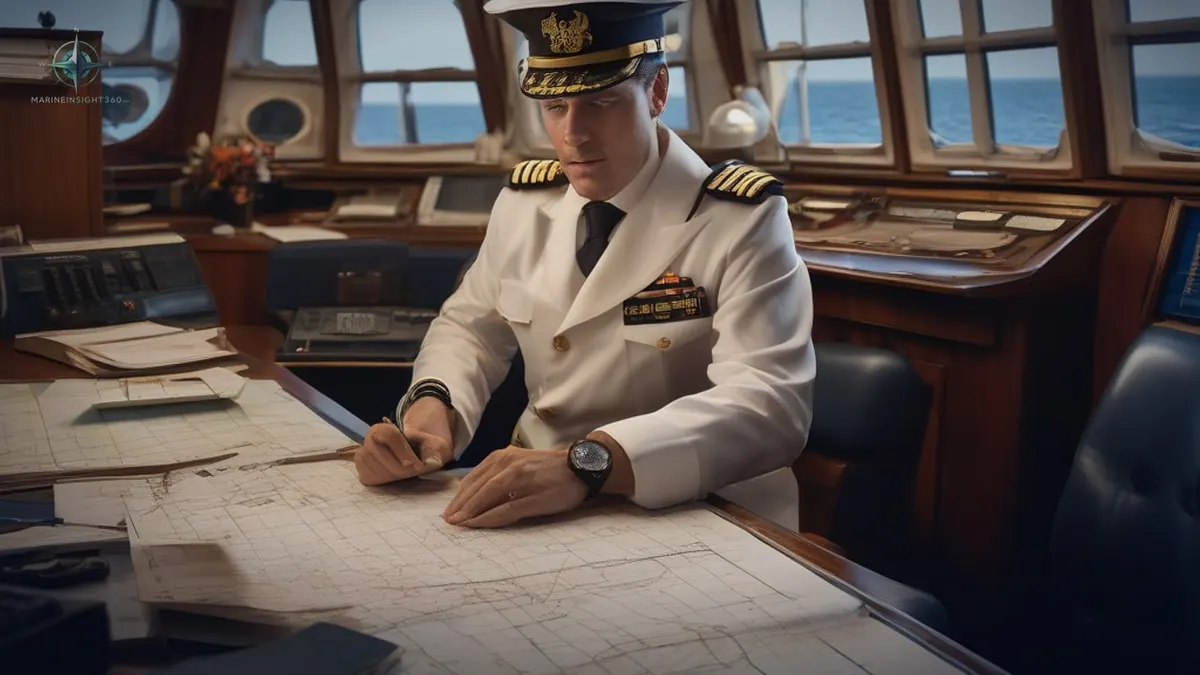
Admiralty Law: What Seafarers and Ship Operators Must Know
Admiralty law, or maritime law, governs every legal aspect of shipping—from cargo contracts to crew injury claims. Its unique feature is that a vessel itself can be sued and even seized before a court decides the merits. This means a master can find a fully loaded ship detained in a foreign port over a debt owed by a charterer he has never met.
Where Admiralty Law Comes From
In the United States, Article III, Section 2 of the Constitution gives federal courts jurisdiction over admiralty cases, and the Judiciary Act of 1789 made federal district courts the venue for civil matters. Trials usually proceed without a jury, except for Jones Act claims. Internationally, no single court dominates; jurisdiction depends on the ship’s flag, the contract, and the conventions ratified by the parties’ states.
Two vessels involved in a collision can end up litigating in separate countries under different rules, which is why parties negotiate law and arbitration clauses carefully.
Maritime Liens and Ship Arrest
A maritime lien attaches to the vessel, not its owner, and can survive a sale. Common lien claims include crew wages, salvage, damage caused by the ship, and, in some jurisdictions, bunkers and necessaries. Priority among competing claims is determined by law, not by who arrested first. For unpaid seafarers, arrest is often the practical route to payment. The Maritime Labour Convention 2006 also provides financial security mechanisms for abandonment and repatriation.
Salvage, General Average, and the Lloyd Open Form
Salvage rewards voluntary assistance to a vessel or cargo in danger. The “no cure, no pay” rule means a salvor earns nothing if the property is not saved. The Lloyd Open Form is the standard contract signed quickly when a ship is in trouble. General average differs: it applies when a deliberate sacrifice or extraordinary expense is made for common safety—such as jettisoning cargo or paying for salvage.
Losses are shared proportionally among ship, cargo, and freight interests under the York‑Antwerp Rules. Cargo owners cannot collect goods until they provide a general average bond, which explains why a single engine‑room fire can hold thousands of containers for months.
Limitation of Liability for Shipowners
Shipowners can cap exposure. The U.S. Limitation of Liability Act of 1851 allows an owner, after a major casualty, to limit total liability to the post‑casualty value of the vessel and pending freight, subject to conditions. Most other maritime states apply the Convention on Limitation of Liability for Maritime Claims, which sets limits based on tonnage. The two approaches can produce very different outcomes from the same incident.
Reckless conduct that is likely to cause loss can void the limit under the convention regime.
Seafarer Injury Claims: U.S. vs. U.K./Commonwealth
Under U.S. general maritime law, an injured seaman has three routes: a Jones Act negligence claim against the employer (the only admiralty claim tried by jury), an unseaworthiness claim against the vessel, and maintenance and cure, which obligates the employer to cover living expenses and medical treatment until maximum improvement, regardless of fault.
In the U.K. and Commonwealth, claims are typically made through employment contracts, collective agreements, and the Maritime Labour Convention, with employer liability insurance rather than a Jones Act structure. Which system applies depends on flag, contract terms, and forum, and the three answers do not always align.
Cargo Liability and the Bill of Lading
Cargo liability rests on the regime incorporated in the bill of lading. The Hague and Hague‑Visby Rules dominate practice; the Hamburg Rules apply in a smaller group of states; the Rotterdam Rules await broad ratification. The regime determines carrier defenses, the package limitation figure, and the time bar—commonly one year from delivery under Hague‑Visby. Missing that deadline defeats an otherwise sound claim.
What to Do Onboard When a Claim Starts
1. Notify owners and the P&I club immediately. Early club involvement shapes everything that follows. 2. Preserve evidence in its original form: bridge and engine logs, ECDIS and VDR data, charts, cargo documents, photographs, and email traffic. 3. Record facts and times rather than opinions about cause or fault. 4. Do not sign statements, letters of protest, responses, or damage acknowledgements presented by another party without instruction. 5.
Assume every internal message can be disclosed later, because in many jurisdictions it can.
These steps are general background and not legal advice for any specific case. Applicable law changes with flag, forum, and contract.
Next Steps for Seafarers and Operators
Review your ship’s charter party and crew contracts to understand which regime applies. If a claim arises, follow the onboard checklist above and contact your P&I club immediately. For deeper guidance, consult Marine Insight 360’s Marine Machinery and Shipboard Operations sections.
Why this matters
Admiralty Law matters because maritime decisions rarely sit in one department. A route story may affect insurance, crew planning and cargo timing. A machinery topic may affect maintenance, safety permits and spare-part planning. A career question may affect training, documents and joining readiness.
For readers in the United States, United Kingdom, Europe, Canada, Australia, Singapore and other mature maritime markets, the useful angle is practical: what changes, what remains uncertain, and which checks should happen before a decision is made.
Operational context
In daily maritime work, admiralty law should be compared with vessel type, flag requirements, company procedures, port expectations, cargo risk and crew competence. The same topic can look different on a container ship, bulk carrier, tanker, offshore vessel, training ship or shore-side logistics desk.
That is why this article avoids treating the subject as a standalone headline. It connects the issue with the checks that ship operators, insurers, charterers and route planners can use when reading a report, preparing for a voyage, reviewing a procedure or planning a career step.
Checks for readers
- Identify whether the topic affects safety, compliance, maintenance, navigation, cargo, careers or commercial planning.
- Confirm the latest company procedure, official notice, training requirement or port instruction before acting.
- Separate background context from instructions that require a qualified officer, engineer, surveyor or shore-side approval.
- Use related Marine Insight 360 pages to build a stronger topic cluster instead of reading one article in isolation.
For connected route-risk and trade coverage, continue with the maritime markets hub.
Recommended Reading
Russia to Provide Arctic Navigation Training to Chinese Seafarers
Russia will provide Arctic navigation training to Chinese seafarers, offering crews essential skills for safe polar operations. Learn why this matters for globa
Four Social Networks for Seafarers
Four Social Networks for Seafarers: safety, training and compliance context for US, UK, Canada, Australia, Singapore and European maritime readers.
Insurance: What Seafarers Need to Know Before Purchasing
Insurance: What Seafarers Need to Know Before Purchasing: regulatory and compliance context for US, UK, Canada, Australia, Singapore and European...