
AMSA Approved Medical Practitioners: Finding One and Passing the Seafarer Medical
Where to find the AMSA medical practitioner list, which seafarer medical you need in Australia, what the examination covers and how long it stays valid.
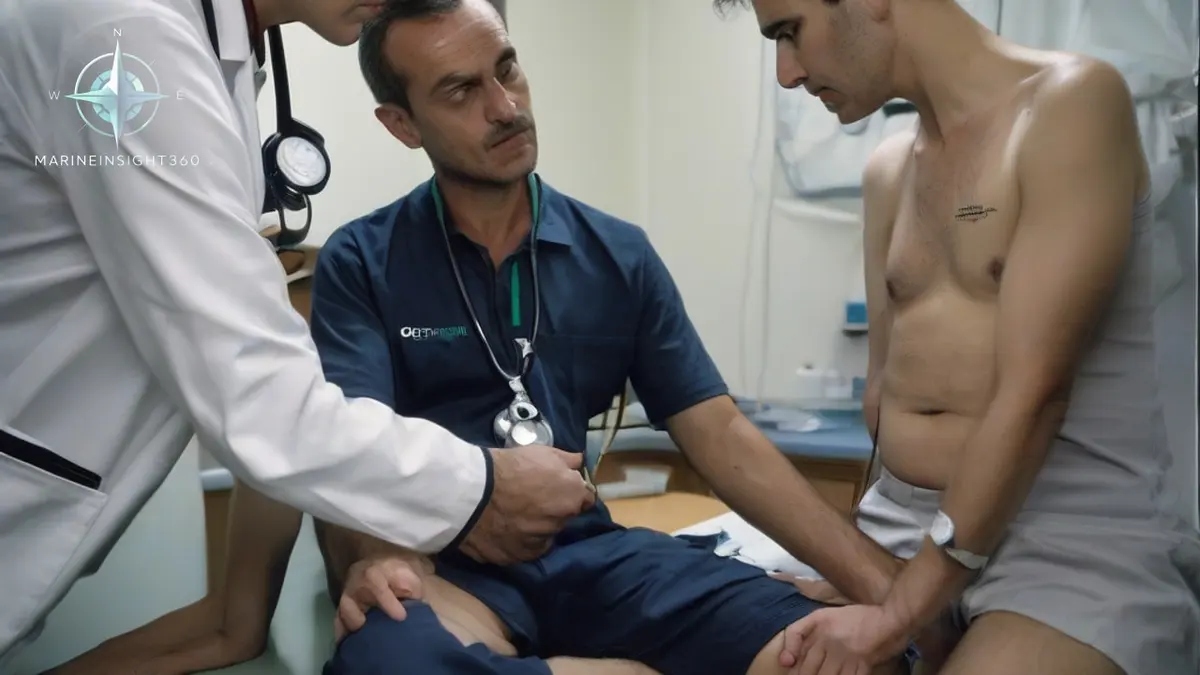
The AMSA medical practitioner list is published on amsa.gov.au by the Australian Maritime Safety Authority. That page is the only reliable source. Only a practitioner or provider named on it can carry out the examination behind an AMSA Certificate of Medical Fitness. STCW-qualified seafarers and coastal pilots need that certificate to apply for or revalidate a certificate of competency.
Third-party directories and clinic websites go out of date quickly, and the network changes. AMSA has been expanding it, with a new national provider appointed during 2026 and further organizations joining from August 2026. Check the current list before you book and pay.
Work out which medical you actually need
Australia runs two separate systems, and booking the wrong one wastes a day and a fee.
- STCW and international : you need an AMSA Certificate of Medical Fitness, issued on AMSA form 303 following an examination recorded on form 232. Only AMSA approved medical inspectors and approved providers can carry this out.
- Domestic commercial vessels : crew on domestic vessels are assessed against AMSA's separate standards for the medical examination of domestic seafarers. A wider group of registered medical practitioners can carry that examination out.
If your employer has asked for a certificate to support an STCW certificate of competency, the domestic medical will not satisfy it.
The rules behind the examination
Marine Order 76 provides for the issue of certificates of medical fitness for seafarers and coastal pilots. It gives effect to regulation I/9 of STCW, the international convention setting minimum training and certification standards for seafarers. It also gives effect to Regulation 1.2 of the Maritime Labour Convention 2006. The clinical criteria themselves sit in AMSA's Standards for the medical examination of seafarers and coastal pilots.
The examining doctor is assessing one thing. Can you perform your duties and your emergency duties safely at sea, without needing care that a ship cannot provide?
What the examination covers
Expect roughly an hour. The examination normally includes:
- Full medical history, current diagnoses and a complete medication list.
- Height, weight and body mass index. These are assessed against the ability to climb, don an immersion suit and take part in drills.
- Blood pressure, cardiovascular and respiratory examination.
- Distance and near vision, plus color vision where lookout or navigational duties apply.
- Hearing assessment.
- Urinalysis.
- Musculoskeletal function and mobility.
- Questions covering mental health, alcohol and other drugs.
How long the certificate lasts
Under STCW, a certificate of medical fitness runs for a maximum of two years for seafarers aged 18 and over. For those under 18 it runs for one year. A color vision assessment can stand for up to six years. A doctor may issue a shorter period where a condition needs review sooner. That is a normal outcome rather than a black mark.
Revalidate well before expiry. You cannot join a ship on an expired certificate, and clinics in port cities book out.
What most commonly causes a restriction or a fail
The recurring issues are predictable, and most of them can be managed if you prepare.
- Untreated or poorly documented obstructive sleep apnea. It is one of the most frequent problems seen at seafarer medicals.
- Uncontrolled blood pressure or diabetes, particularly where monitoring or refrigerated medication is needed.
- Recent cardiac events or surgery without a specialist clearance letter.
- Colour vision deficiency, which restricts deck and lookout duties but not all shipboard roles.
- Medications with sedating effects or a narrow safety margin.
Bring specialist reports, treatment compliance data and your previous certificate. A documented, stable, treated condition is assessed very differently from an undocumented one.
If you are assessed as unfit
Ask for the reasons in writing and identify what evidence would change the assessment. The Maritime Labour Convention requires a right of review. AMSA has a process for seafarers who disagree with a decision. Gather the specialist evidence first, because a review without new clinical information rarely changes anything.
Before you book
Confirm the provider is on AMSA's current list. Confirm they are carrying out the STCW examination and not the domestic one. Take photo identification, your spectacles or contact lenses with the prescription, your medication list and your previous certificate. Our Merchant Navy Careers section sets out the other certificates you need alongside the medical.
Sources and further reading
- Get a medical fitness certificate for STCW seafarers - AMSA
- Standards for the medical examination of seafarers and coastal pilots - AMSA
- Guidance and standards for AMSA approved medical inspectors (STCW)
- AMSA broadens medical certification access for seafarers and coastal pilots - SAFETY4SEA
What to read next
Recommended Reading

ENG1 Medical Certificate: What the UK Seafarer Medical Involves
The ENG1 medical certificate explained: who needs one, what the MCA approved doctor checks, eyesight standards, validity periods, restrictions and reviews.
Seafarer Medical Certificate: What It Covers and How Long It Lasts
What a seafarer medical certificate checks, who is allowed to issue one, how long it stays valid, and what happens if you are found temporarily unfit.
What Is a Seaman's Book? Discharge Book and Seafarer ID Explained
A seaman's book records your sea service and identifies you as a seafarer. What it contains, how the ILO 185 seafarer ID differs, and how flag states issue it.