
What Is a Seaman's Book? Discharge Book and Seafarer ID Explained
A seaman's book records your sea service and identifies you as a seafarer. What it contains, how the ILO 185 seafarer ID differs, and how flag states issue it.
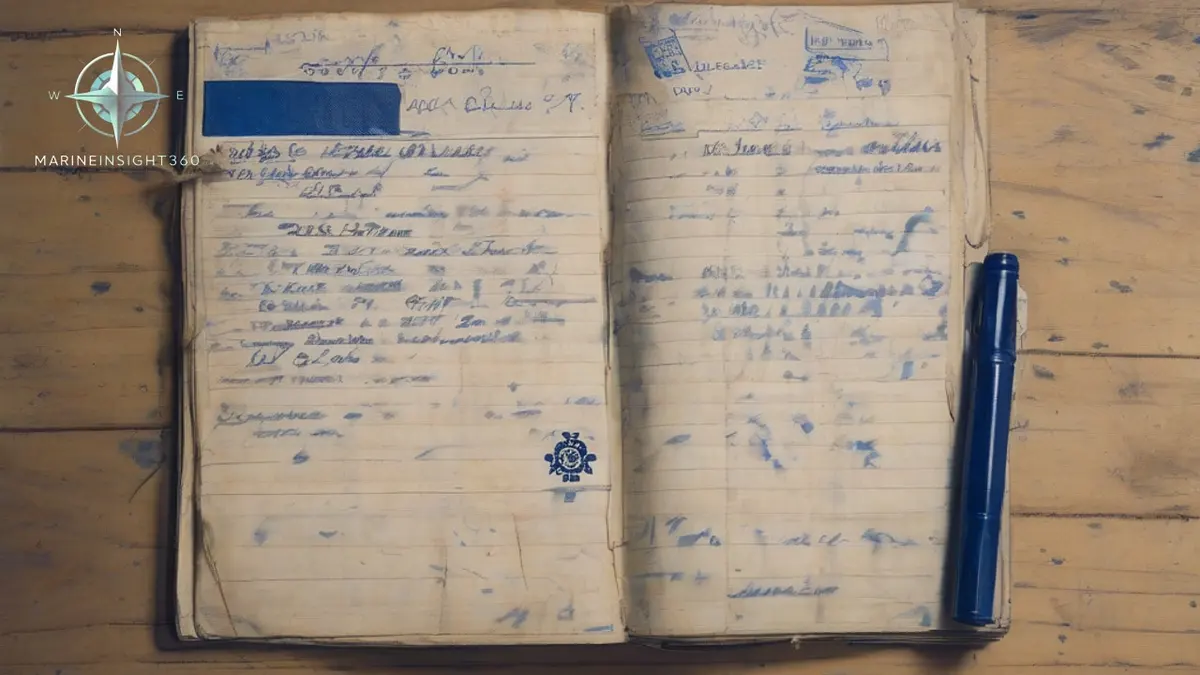
A seaman's book is the official document a maritime administration issues to a professional seafarer, recording every engagement and discharge on a ship and identifying the holder as a seafarer. In most flag states it is formally called a seafarer's discharge book or a continuous discharge certificate, and each entry names the vessel, the rank served, and the dates and places of joining and leaving.
It is the primary proof of the sea service that qualifies you for the next certificate of competency.
Two separate documents get called a seaman's book in conversation, and confusing them causes trouble at borders and at certificate application time.
Discharge book versus seafarer's identity document
The discharge book is a service record. The seafarer's identity document, or SID, is an identity credential issued under International Labour Organization Convention 185, which was adopted in 2003 to revise the 1958 convention that first created an internationally recognised seafarer identity. Its purpose is to let a seafarer take shore leave and transit to and from a ship.
Some administrations issue both in one booklet. Others issue two documents. The SID was amended in 2016 to bring its biometric into line with the machine readable travel document standards used for passports. It is not a passport substitute, and it does not by itself guarantee entry to any country.
What the discharge book records, entry by entry
A properly completed entry carries the information a certifying authority needs to accept the service without correspondence.
- Ship's name, official number and flag.
- Gross tonnage, and for engineers the propulsion power in kilowatts.
- Rank or capacity in which you actually served, not the rank you hold.
- Date and place of engagement, and date and place of discharge.
- Type of voyage or trading area.
- Signature and stamp of the master or an authorised officer.
Tonnage, propulsion power and trading area are the fields that decide whether service counts toward an unlimited certificate or a restricted one. An entry missing the stamp is worth nothing.
Why the entries decide your next certificate
STCW certificates are earned partly through documented sea time in a specified capacity, on ships above a defined tonnage or power. A candidate applying for a chief mate or second engineer certificate has to show that service in a form the administration accepts. A discharge book with continuous, stamped entries does that in one pass. A folder of loose letters usually triggers questions, and questions cost weeks.
Watchkeeping service, standby and yard periods are treated differently by different administrations. If a period is unusual, ask the master to note what it actually was rather than leaving the assessor to guess.
How tier-one flag states handle it
Practice varies more than seafarers expect.
- United Kingdom. The Maritime and Coastguard Agency issues a British seaman's discharge book, and service entries in it support certificate of competency applications.
- United States. There is no discharge book in the European sense. Mariners hold a Merchant Mariner Credential issued by the Coast Guard, and sea service is proved with sea service letters or forms certified by the master or the company. Port facility access uses the separate Transportation Worker Identification Credential.
- Other administrations. Requirements differ by flag, and the only answer that matters is the one from the administration that will issue your certificate. Check its published sea service evidence rules before you sign off, not after.
A seaman's book also does not replace immigration paperwork in every country. Crew joining or leaving a ship in a United States port normally need the appropriate crew visa in their passport as well.
Getting one and keeping it valid
A discharge book is issued by the maritime administration of the seafarer's country or the flag state, usually on evidence of training, a medical certificate and either an employment offer or enrolment in an approved course. Renewal is a routine administrative process, and books fill up: a busy officer will need a second volume within a career.
Mistakes that cost seafarers sea time
- Signing off without the discharge entry completed and stamped, then chasing a master who has already left the ship.
- Letting an agent or manning office keep the book between contracts. It belongs to the seafarer.
- Keeping no scanned copy, so a lost book erases years of provable service.
- Accepting a rank entry that does not match the job actually performed.
- Assuming the book alone permits travel. Passport, visa and, in many cases, a separate identity document are still needed.
- Letting the associated medical or STCW certificates lapse, which stops you sailing regardless of what the book records.
If you are planning a certificate application, read the sea service requirements alongside the training path. The Merchant Navy Careers and Knowledge Base sections of Marine Insight 360 cover both.
Shore leave is where the identity document fails in practice. ILO Convention 185 has been ratified by only a modest number of states, so a compliant document can still be rejected at a terminal gate and the seafarer kept on board for the whole port stay. Unions and welfare bodies log these refusals as a persistent pattern rather than isolated incidents.
The second failure is the certificate chain around the book. A medical certificate that lapses mid-contract stops the seafarer sailing whatever the service record shows, and an STCW course certificate past its revalidation date has the same effect. Port state control officers check those documents against the crew list, and a shortfall there is recorded as a deficiency against the ship.
Sources and further reading
- Offshore and Maritime Seafarer ID Standards Under ILO 185
- Seafarers' Identity Documents Convention, 1958
- The Seafarers' Identity Document (SID)
What to read next
Recommended Reading
What Is a Seaman Book? The Seafarer's Discharge Book Explained
What a seaman book is: the discharge book that records a seafarer's sea service, who issues it, what it proves, and how to keep it accurate.

What is Seaman’s Service Book?
What is Seaman’s Service Book?: ports, trade and shipping-market context for US, UK, Canada, Australia, Singapore and European maritime readers.
Maintenance and Cure: What an Injured Seaman Is Owed
Maintenance and cure is a shipowner's no fault duty to an injured seaman. What it pays, when it ends, the defenses raised and how MLC 2006 compares.