
Avoid Stifling the Ship-to-Shore Transition
According to a survey conducted by the UK Institute of Marine Engineering, Science and Technology ( IMarEST ) on the experiences of seafarers going…
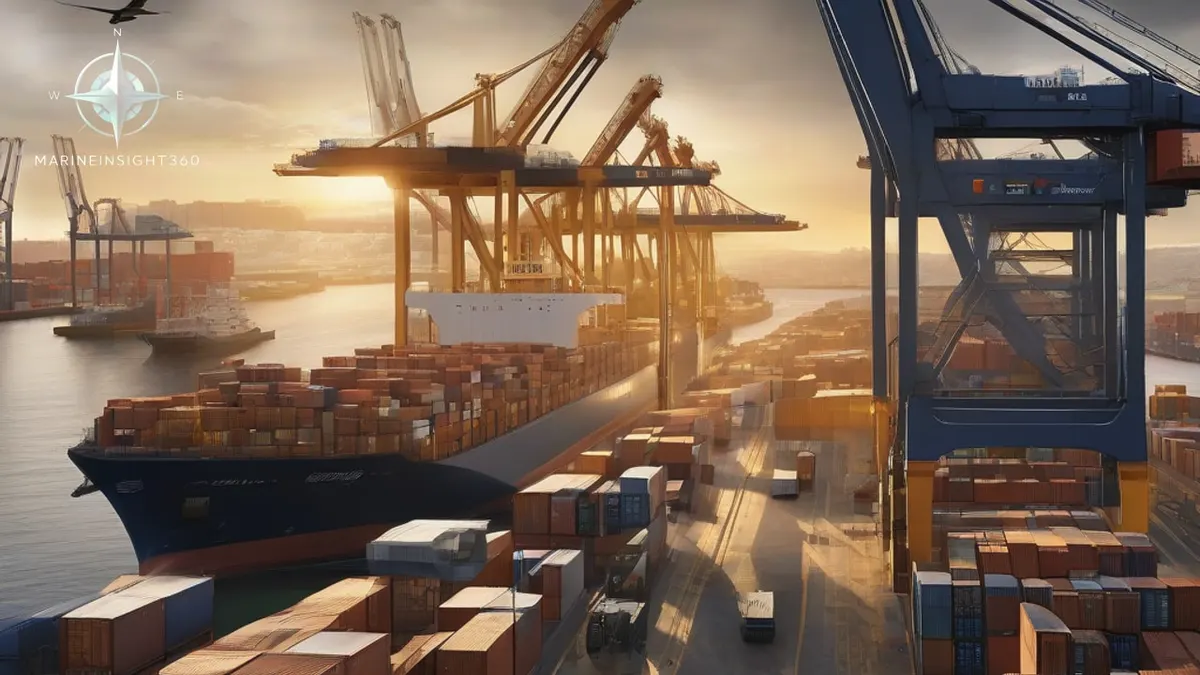
The ship-to-shore transition stalls when interviews cannot be scheduled around sea leave and when a seafarer holds only maritime qualifications, since shore management posts usually require a university degree or postgraduate study.
How to Avoid Stifling the Ship-to-Shore Transition?
The UK Institute of Marine Engineering, Science and Technology (IMarEST) surveyed seafarers on their experience of the ship-to-shore transition. According to that survey, the prospect of moving ashore to further their careers can be daunting for many seafarers. Many, understandably, feel anxious about career advancement.
Those who found the transition relatively easy emphasized the importance of studying for certain qualifications before going offshore. As one engineering supervisor explained, maritime qualifications are acceptable for operational positions. They are not acceptable for the management positions that senior seafarers aspire to. "To get management positions, they need university degrees and postgraduate qualifications," he said.
Many who faced difficulties expressed frustration with the practicalities of scheduling interviews. Seafarers often struggled to schedule interviews while on leave. They then had to convince potential employers to wait until they completed their next cruise before taking the next step. One participant warned that the recruitment process could "take longer than my vacation". Another had to take the drastic step of resigning from their current position.
That was the only way to stay ashore long enough to complete the recruitment process.
What culture shock comes with moving from ship to shore?
Another common difficulty is adjusting to an office environment. The pace of work there isn't as intense as it was for previous seafarers. A common saying at sea is, "Things have to get done, and the consequences of not getting them done are more immediate and noticeable. Ashore, people go home at 5 p.m. They don't make work their life".
Other cultural shocks include the need for greater diplomacy and patience. Adjusting to a rigidly hierarchical management structure is another. Management ashore tends to be flatter. As one participant noted, this can actually complicate interpersonal relationships: "Sometimes the lines are blurred". For newcomers, learning and adapting to the slow, bureaucratic pace of this new environment can take time.
Life at sea, away from family and friends, is often described as lonely. Moving ashore does not end that. The loneliness can take on new forms, especially in new positions far from family. Another technical supervisor stated, "It takes time to adjust to the new environment and the unfamiliar surroundings outside of work". However, upon reflection, he added that persevering was worth it. His reason: "ultimately, it opens up many opportunities for advancement and career development".
Soft skills
Technical skills and abilities are only part of the equation when you move ashore. These skills must be combined with the "soft skills" required to effectively manage people and projects. Those include leadership, communication (verbal and report writing) and negotiation. They also include management skills such as budgeting, finance, logistics, and procurement. Administrative work onboard provides a solid foundation for developing this last aspect. Developing the necessary interpersonal skills may take longer.
A senior engineer moved ashore as a class surveyor. He offered advice to seafarers considering a career change, on how to make the most of their time at sea. "That extra grade is crucial. The difference between a senior engineer and a second or third engineer is huge". He added that the management skills and responsibilities required ashore typically come with higher grades. Understanding the roles of classification, protection, and indemnity, and science is crucial.
So is understanding how they interact.
Potential Developments
Many respondents stated that secondments during their seafaring careers have (or have) prepared them for "adventure". 88% of respondents believe that appropriate education or training helped them make the transition. Two-thirds of respondents stated that management/business training would be beneficial. So would higher education qualifications such as a bachelor's or master's degree, or both.
One senior engineer transitioned to a shore-based gas processing management position. He stated, "Leadership and management skills are crucial for demonstrating your value to employers and complementing the engineering skills you acquired at sea". Earning these qualifications requires significant effort. Many seafarers therefore pursue university degrees or similar qualifications through distance learning. That is how they advance their careers.
The Chief Engineer rarely feels out of place while working onboard. His new role is Senior Technical Manager, and he oversees a wide variety of projects. He says it demands a completely different approach and attitude. "Understanding the interplay between different disciplines has given me a deeper appreciation for the diversity of the maritime world," he comments. He adds that it's "a huge leap from the (relatively) routine of ship management".
IMarEST developed the Sustainable Maritime Operations qualification precisely to address this need. This distance-learning program can be completed while working at sea. It leads to a postgraduate or bachelor's/master's degree.
David Loosely is CEO of IMarEST. He said: "Continuous training at sea allows seafarers to stay at sea longer and helps them develop their careers. Those who don't feel the need to go ashore can avoid it unless they really want to".
- Ship-Shore Interface Management in Maritime
- What is an International Shore Connection?
- What is an International Shore Connection on Ships?
- Knock Nevis – World’s Largest Supertanker
- Is the Sea Of Galilee Turning Red?
- Life-Saving Equipment (LSA): A Must-Have for Safety Officers
Lost in Translation
Over half (56%) of participants were promoted to more senior positions after their time ashore. However, some experienced a salary decrease. That was often attributed to a lack of formal qualifications. Difficulty communicating the importance of their skills was another reason. As one respondent explained, "People who work on board are treated like newcomers once they leave".
Many seafarers surveyed felt their skills were not fully appreciated by their colleagues ashore. They did not feel valued either. A typical response was, "I'm seen as just another person with limited specialization, rather than a flexible employee with extensive engineering experience and the ability to work independently".
A common challenge is explaining how skills acquired at sea are transferable to a land-based position. As one respondent noted, the diversity of skills in the maritime environment is largely overlooked. "I've had to stop describing my work experience in terms of maritime positions. Instead, everything has to be expressed in terms of transferable skills". Another respondent added that this situation is made worse by a further problem.
Some skills acquired at sea are difficult to translate into the business environment ashore.
One seafarer admitted that his CEng MIMarEST designation was his primary route to a land-based career. That is an informal designation for Chartered Engineer and Member of IMarEST. However, few employers seemed to recognize his seafaring qualifications and experience. Ultimately, he was appointed a senior lecturer at a maritime academy. He explains, "I firmly believe that the CEng designation was the key to most interviews I attended, more so than years of leadership experience". This experience led him to become a member of IMarEST (or FIMarEST).
This demonstrates that professional registrations hold a high reputation in the industry. That applies whether they are certified, registered/incorporated, or technical. David Loosely concludes, "This status is a simple indicator of professional excellence, especially for those without formal qualifications". All aspiring seafarers should seize the opportunity to obtain professional registration.
Recommended Reading
What is an International Shore Connection on Ships?
What is an International Shore Connection on Ships?: safety, training and compliance context for US, UK, Canada, Australia, Singapore and European...

Shipping Faces Fuel Transition Hurdles Amid IMO Delay and Fragmented Rules
Learn how the IMO’s one‑year delay and fragmented emissions rules affect shipping fuel transition, compliance options, and crew operations.
Ship-Shore Interface Management in Maritime
Ship-Shore Interface Management in Maritime: ports, trade and shipping-market context for US, UK, Canada, Australia, Singapore and European maritime...