
Ship-Shore Interface Management in Maritime
Ship-Shore Interface Management in Maritime: ports, trade and shipping-market context for US, UK, Canada, Australia, Singapore and European maritime...
Introduction to Ship-Shore Interface Management
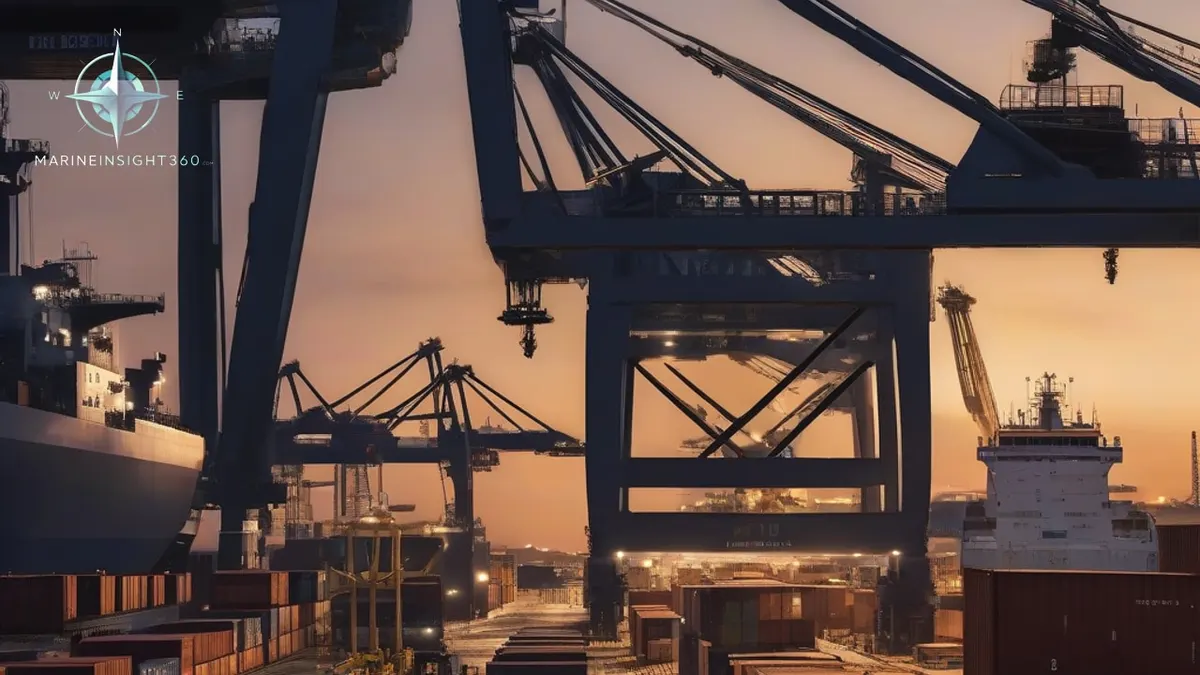
What is Ship-Shore Interface Management in the Maritime Sector? The global economy relies heavily on maritime trade, which accounts for the majority of imports and exports. However, maritime transport cannot be sustained solely by ships, as their use is essential in the absence of ports. This means that ships require support from shore-based facilities, such as ports, shipping offices, coastal and government agencies, and other types of shore-based support. Without shore-based support, ships cannot perform all operations independently.
This is where Ship-Shore Interface Management becomes crucial. Ship-Shore Interface Management "Ship-Shore" refers to the coordination between two distinct departments. The ship-shore interface involves the ship's personnel on one hand and shore-based facilities on the other. The foundation of Ship-Shore Interface Management lies in information exchange and transparent communication before and during various joint operations to ensure safety throughout the entire process. A ship-port docking operation involves multiple departments, such as:
- Port Authority
- Fuel Supplier
- Port Workshop
- Port Fire Department
- Vehicle Service Providers, Cargo Handling, etc.
- Safety Officers
- Inspectors
- Dry Dock Staff
- Other Port Services
The Importance of Ship-Port Docking Maintaining smooth communication between the two departments is crucial, as any communication breakdown can lead to operational inefficiencies, accidents, and even pollution. Both vessel and port personnel must receive proper docking management training to ensure safe, efficient, and on-time operations. Some basic examples of ship-port docking operations:
- Loading and unloading cargo at the port
- Borrowing a vessel at the port
- Receiving fuel from shore personnel
- Organizing and determining the ship's safety level in port
- Organizing inspections when necessary
- Communicating with dry dock personnel
When ships visit multiple countries, different languages are spoken. Therefore, to maintain a high level of operational communication, personnel must be trained to manage the shipboard and shore interfaces. Many companies offer this type of training through ship-port interface training courses.
Regulatory Framework and Standards
The International Maritime Organization (IMO) is central in establishing regulations and guidelines for ship-shore interface management. The Safety of Life at Sea (SOLAS) convention, the International Convention for the Prevention of Pollution from Ships (MARPOL), and the International Safety Management (ISM) Code are some of the key regulations that govern ship-shore interface management. These regulations emphasize the importance of effective communication, safety procedures, and environmental protection during ship-port operations. For instance, the ISM Code requires shipowners and operators to establish a safety management system that includes procedures for ship-shore interface management.
Similarly, the MARPOL convention sets out regulations for the prevention of pollution from ships, which includes measures for safe and efficient cargo handling and waste management during ship-port operations. The Standards of Training, Certification and Watchkeeping (STCW) convention also plays a critical role in ensuring that seafarers are properly trained to manage ship-shore interfaces. The STCW convention sets out minimum standards for the training and certification of seafarers, including those involved in ship-shore interface management.
By adhering to these regulations and standards, shipowners and operators can ensure that their vessels are operated safely and efficiently. That the risk of accidents and pollution is minimized.
Best Practices and Training
To ensure effective ship-shore interface management, it is essential to implement best practices and provide training to personnel involved in ship-port operations. Some best practices include:
- Establishing clear communication protocols and procedures
- Conducting regular safety drills and exercises
- Providing training on ship-shore interface management and safety procedures
- Implementing a safety management system that includes procedures for ship-shore interface management
- Encouraging a safety culture among personnel involved in ship-port operations
Many companies offer training courses and programs that focus on ship-shore interface management and safety procedures. These courses cover topics such as communication protocols, safety procedures. Environmental protection, and are designed to equip personnel with the knowledge and skills needed to manage ship-shore interfaces effectively. By investing in training and implementing best practices, shipowners and operators can minimize the risk of accidents and pollution. Ensure that their vessels are operated safely and efficiently.
In addition to training and best practices, technology also plays a critical role in ship-shore interface management. The use of digital platforms and systems can help to streamline communication and information exchange between ships and shore-based facilities, reducing the risk of errors and improving the efficiency of ship-port operations. For example, electronic data interchange (EDI) systems can be used to exchange information on cargo, crew. Vessel details, while ship-shore communication systems can facilitate real-time communication between ships and shore-based facilities.
By leveraging technology and implementing best practices, the maritime industry can improve the safety and efficiency of ship-shore interface management. Reduce the risk of accidents and pollution.
Recommended Reading
What is an International Shore Connection on Ships?
What is an International Shore Connection on Ships?: safety, training and compliance context for US, UK, Canada, Australia, Singapore and European...
Safety Management System (SMS): The Rulebook Every Ship Runs On
What a safety management system is in shipping: the ISM Code framework of procedures, drills, audits and the DPA that turns safety from intention into system.
Why Predictive Maintenance Is Becoming the Future of Ship Management
Discover how predictive maintenance is helping shipowners reduce breakdowns, improve safety, lower maintenance costs, and increase vessel reliability.