
What Is The Largest Shipping Company In The World?
The role of LNG carriers in transporting LNG from the production area to the consumption site is a crucial step. Equally important are the top LNG bulk…
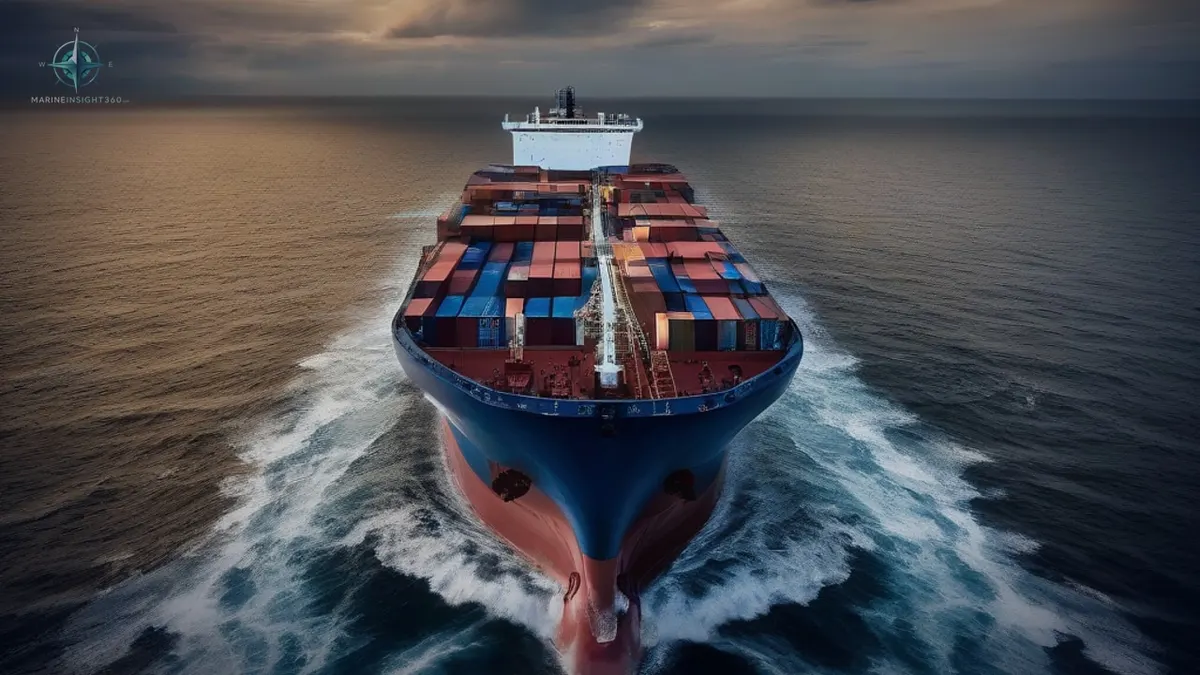
In the liquefied natural gas trade, the largest shipping company is the one operating the biggest fleet. That fleet numbered 700 LNG tankers at the end of 2021, against 2020 trade volumes of 488 billion cubic meters, more than the available capacity could carry.
Who Moves the World's LNG
Shipping companies in the liquefied natural gas trade operate a world fleet that numbered 700 LNG tankers at the end of 2021. Trade volumes reached 488 billion cubic meters in 2020, more than the available tanker capacity could carry, so operators charter several vessels or run fast-turnaround schedules. Fleet size, capacity and turnaround set the price and availability of the cargo.
Fleet Size and the Demand Gap
At the end of 2021, the global LNG tanker fleet numbered 700 vessels, a figure that has risen steadily since 2010. In 2020, trade volumes reached 488 billion cubic meters, a level that outstripped the available tanker capacity. The gap between demand and supply means that operators often charter multiple vessels or rely on fast‑turnaround schedules to meet customer commitments.
Marine Insight 360’s analysis of 715 LNG tankers and floating storage and regasification units (FSRUs) provides a detailed view of ship names, IMO numbers, deadweight tonnage, carrying capacity and current owners or operators. This data set, however, is not fully open source; shipowners and operators frequently change, and the industry’s dynamic nature requires continuous updates.
Choosing the Right Vessel: Capacity vs. Speed
Capacity Considerations
Large‑capacity carriers can move more LNG per voyage, reducing the number of trips needed. However, they demand deeper berths, larger port infrastructure and more extensive crew training for handling heavier loads. Operators must weigh the cost of port fees against the savings from fewer voyages.
Speed and Turnaround
Smaller vessels often travel faster and can complete more round‑trips in a year. For markets with tight delivery windows, speed may outweigh raw capacity. Yet faster vessels incur higher fuel consumption and may require more frequent maintenance, impacting operating costs.
Operational Impacts on Crew and Shipboard Life
- Training Needs – LNG carriers use cryogenic tanks and specialized safety systems. Crews must complete certification courses covering temperature control, gas leak detection and emergency response.
- Safety Protocols – The risk of methane slip and potential for flammable atmospheres demands rigorous adherence to IMO guidelines and company SOPs.
- Work‑Life Balance – Longer voyages on larger carriers can affect crew rotation schedules, while shorter trips may lead to more frequent port calls and associated fatigue.
Common Mistakes That Inflate Costs
- Underestimating maintenance windows for cryogenic equipment, leading to costly unscheduled repairs.
- Choosing a vessel without verifying port compatibility, resulting in berth delays or the need for tug assistance.
- Overlooking the impact of fuel type on emissions compliance, especially with the IMO 2020 methane slip regulation.
Future Outlook: New Builds and Charter Strategies
With demand continuing to outpace supply, shipbuilders are accelerating new‑build programs. Operators are also exploring flexible charter agreements that allow rapid fleet adjustments. The 715‑vessel dataset shows a mix of owned, chartered and FSRU‑based solutions, reflecting a market that values both ownership and flexibility.
Why an LNG fleet cannot be ranked by tonnage
LNG is carried as a liquid at about minus 162 degrees Celsius, close to atmospheric pressure. Cooling shrinks it to roughly one six-hundredth of its gas volume. That is why capacity on these ships is quoted in cubic metres of tank space rather than in deadweight tonnes.
The distinction matters for any fleet list. Deadweight measures the mass a hull can carry. An LNG cargo is bulky and light, so the tanks fill long before the ship runs out of deadweight. Two ships with similar deadweight figures can hold very different volumes of gas.
Tank design sets that volume. Membrane ships carry a thin metal barrier supported by insulation built into the hull, and they fill the hull box efficiently. Moss-type ships carry self-supporting spheres that sit partly above deck. Membrane designs take most current orders, and a standard newbuilding runs near 174,000 cubic metres.
Boil-off, and the number written into the charter
No insulation is perfect. Heat leaks into the tanks and a small fraction of the cargo evaporates every day. That vapour is boil-off gas, and handling it is the defining operational problem of the trade.
Steam turbines burned it in the boilers. That is why LNG kept steam propulsion long after every other sector abandoned it. Modern ships either burn the vapour in dual-fuel engines or reliquefy it and return it to the tanks. Two-stroke dual-fuel machinery takes most new orders.
Charterers do not treat this as an engineering detail. The guaranteed daily boil-off rate is warranted in the charter alongside speed and bunker consumption, because gas that evaporates is cargo the receiver never gets. A ship that misses the warranted figure faces a claim.
Unburned methane passing through a dual-fuel engine and out of the funnel is a separate problem, known as methane slip. Methane traps far more heat than the same mass of carbon dioxide. From 2026 the EU Emissions Trading System counts methane and nitrous oxide from shipping, not carbon dioxide alone.
What a gas carrier billet requires that a tanker billet does not
STCW Chapter V Regulation V/1-2 sets the training floor for liquefied gas tankers. Anyone with cargo duties needs basic training for gas tanker operations. Officers with immediate responsibility for cargo need the advanced course, plus documented seagoing service on gas carriers.
The ship side runs through the IMO's IGC Code, which governs construction and equipment for ships carrying liquefied gases in bulk. Compliance is evidenced by a certificate of fitness issued on behalf of the flag state.
That certificate is what a port state control officer asks to see, and a lapsed one stops the cargo operation. It is also why gas carrier crews command a premium. The qualification is narrow, it takes sea time on the ship type to earn, and an operator cannot recruit around it at short notice.
Why This Matters to Shipping Professionals
For seafarers, understanding the nuances of LNG carrier operations improves safety and career prospects. For operators and shippers, accurate fleet data informs charter decisions and cost projections. Keeping abreast of fleet trends ensures that vessels remain competitive and compliant with evolving regulations.
To dive deeper into LNG carrier design and operational best practices, visit Marine Insight 360’s Marine Machinery section.
Source and verification
This report is based on information published by marineinsight360.com. Claims attributed to military or government parties remain claims unless independently confirmed.
Recommended Reading
Knock Nevis – World’s Largest Supertanker
Knock Nevis – World’s Largest Supertanker: ports, trade and shipping-market context for US, UK, Canada, Australia, Singapore and European maritime readers.
Gangways and Types of Gangways Used in The Shipping World
Gangways and Types of Gangways Used in The Shipping World: ports, trade and shipping-market context for US, UK, Canada, Australia, Singapore and...
ETA and ETD in Shipping: What the Dates Mean and Why They Slip
What ETA and ETD mean in shipping, who sets the dates, why they slip, and how importers should actually read an estimated arrival against free time and fees.