
Difference Between Leeward and Windward Sides of Ships
Difference Between Leeward and Windward Sides of Ships: technology, equipment and fleet context for US, UK, Canada, Australia, Singapore and European...
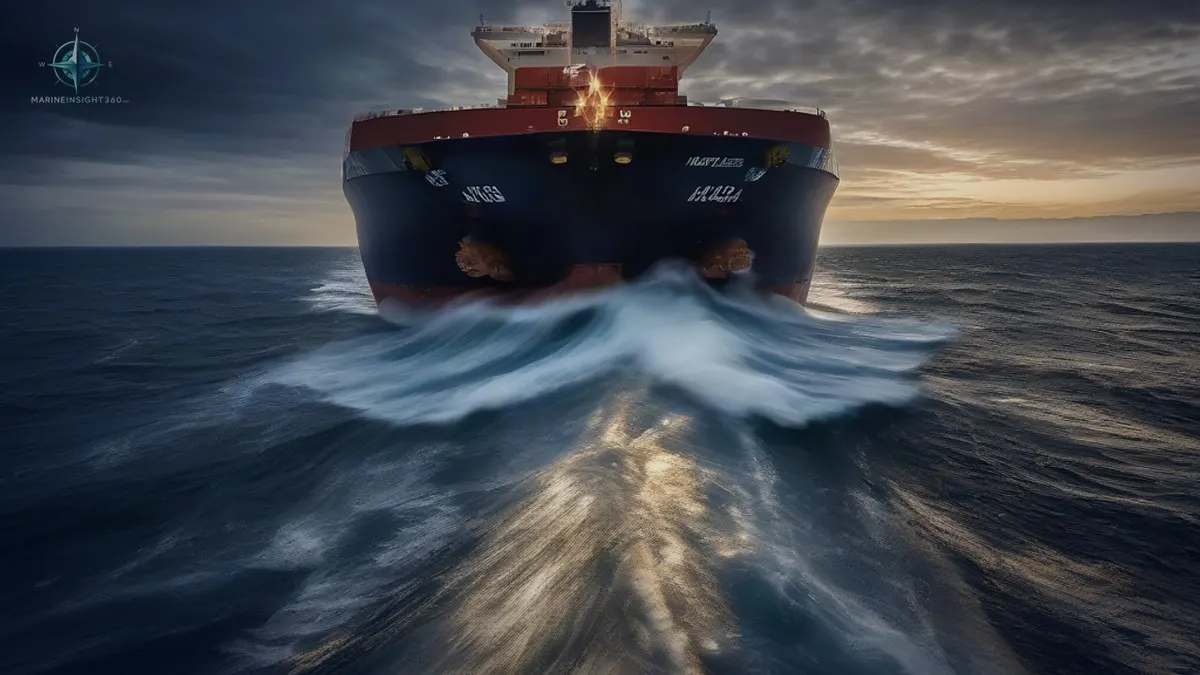
Explanation of the Leeward and Windward Sides of Ships
Wind is important in sailing. In the Age of Navigation, which lasted nearly 400 years, wind was the main force that propelled ships. That applied to everything from commercial ships to military ones. Mechanical propulsion systems have replaced the wind's effect on sailing ships as the basis of propulsion over the years. Its influence is still important all the same. It reaches everything from maneuverability and sailing ability to resistance characteristics.
Understanding wind and its movement
In the movement of wind, the flow of wind always has a direction. For example, when the wind blows from the geographical north, we call it a north wind. When the wind blows from the east, we call it an east wind.
In real life the wind mainly flows from random directions to varying degrees. That happens at any location in time and space. It follows from the complex interaction of meteorological and physical factors. The wind vector component with the greatest intensity is the one that is felt most strongly.
Therefore, when we say that there is a "weak south wind" blowing, the wind component from the south direction is dominant. Other wind vectors appear to a lesser extent.
In addition, the effect of wind is a very relative concept. In the above example, we can only feel the effect of this south wind when we are facing it. That means standing in a position where the wind's influence is obvious. Now, let's assume that in this case there is a mountain or cliff behind us. Another person stands on the other side of it.
This person will not be affected by the wind force that we experience. For example, after a while, a person feels the wind blowing. For him, it is a north wind, but for us, it is not.
2. Wind and Leewind
This is similar to understanding the up and down directions. An object may float in the same direction as the direction of the water flow. It is then said to move with the flow. An object floating in the direction opposite to the water flow is said to move against the flow.
Similarly, when we move against the wind, we are said to move against the wind. When we are in the same direction as the wind, we are said to move with the wind.
So, from the perspective of the physics of the action of wind, there are two very important definitions. They are 1) upwind wind and 2) downwind wind. What are these? The windward side of the body is the side that faces directly towards the wind.
How Does Marine Traffic Works?
On the other hand, the windward side is the side that faces the opposite direction of the wind's action. For any reference point, the leeward side is called the leeward side, and the leeward side is called the leeward side.
3. In the case of ships
On a ship, the side facing the wind is called the leeward side. More precisely, that is the side facing the direction of the wind source. The side facing away from the wind is called the windward side.
For example, a ship is sailing north-south, and the sea breeze blows from the east. The starboard side of the ship is the windward side. The port side is the leeward side.
But let's consider another ship sailing south along the same route. For this ship, the port side is the leeward side. The starboard side is the windward side.
Similarly, imagine that on a ship a gust of wind blows from the bow. It comes from the direction opposite to the bow's heading. In this case, the bow area is called the windward area. The stern area is called the leeward area.
Thus, one may stand on the main deck, directly forward, against the wall, over the bow. That person is essentially into the wind. One may instead stand further aft, facing the propeller wake behind him. That person is also into the wind.
In the age of steam ships, the effect of the wind on the ship is decisive only when the wind is strong enough. The reason is that the air resistance of the exposed parts above the waterline increases. In extremely bad weather conditions, the ship usually needs to change course. That change counteracts the maximum effect of the wind.
The high-intensity wind force may act strictly in the longitudinal direction, that is, from bow to stern. In that case the importance of the leeward and windward sides differs from when their components are at another angle.
In the first case, the windward side is in the bow area. The bow bulge is then affected by the increased air resistance. On the other hand, the windward side may be in the stern or stern area. The propulsion efficiency of the ship is then further improved by this additional force, depending on its intensity.
Any component of the wind force may act transversely. Keeping the ship on course then often becomes very critical.
For example, a strong wind may act on the port side of a ship on a set course. That means windward port and leeward starboard. Its effect tends to cause the ship to yaw slightly to the right. In this case, it is usually necessary to correct the course by applying rudder torque to the right.
In strong winds, crew and passengers on the weather deck are usually advised to stay away from the windward side. That advice helps avoid injuries and accidents. Any cargo handling or shipboard operations involving work and equipment on the leeward side of the deck are suspended.
Lateral stability gives another view. Larger wind forces may act on the side of the ship and cause it to tend to roll. The side that sinks and has the largest draft is then the windward side. In this case, roll cages, stabilizers and other anti-roll devices must counteract the wind forces acting from the windward side.
Ship and Earth Mass
When a ship is close to land or the coastline, an interesting set of nomenclatures emerges. They are based entirely on the physics of reference points. For a ship close to land, the windward side of the ship is always the side facing the sea or away from the coast. That holds regardless of changing weather conditions. The side of the ship facing the land is the windward side.
Now, take a person on land, anywhere on the coast where the ship can be seen. It is on the windward side, because that side faces the sea. However, for a person on the ship, the same person on land is on the windward side. His position is in the leeward quadrant of the ship's reference point.
When islands are involved, the situation becomes more interesting and complicated. For simplicity, assume that the island is a round object. The naming system is then based in part on the direction of the wind at the time.
As in the previous example, the leeward and windward sides remain the same from the reference point of the ship. Also, the side of the island facing the ship is the windward side. However, for an observer on the island watching the ship, everything depends on the nature of the prevailing wind. The wind may blow from any direction other than the direction of the ship.
In that case the wind is to leeward of the island from the reference point of land.
The high-intensity wind force may run strictly in the longitudinal direction, that is, from bow to stern. The importance of the leeward and windward sides is then different from when their components are at another angle.
In the first case, the windward side sits in the bow area. The bow bulge is affected by the increased air resistance. On the other hand, the windward side may sit in the stern or stern area. The propulsion efficiency of the ship is then further improved by this additional force, depending on its intensity.
When any component of the wind force acts transversely, it often becomes very critical to keep the ship on course.
For example, a strong wind may act on the port side of a ship on a set course. That gives windward port and leeward starboard. Its effect tends to cause the ship to yaw slightly to the right. In this case, it is usually necessary to correct the course by applying rudder torque to the right.
In strong winds, it is usually recommended that crew and passengers on the weather deck stay away from the windward side. Doing so avoids injuries and accidents. Any cargo handling or shipboard operations involving work and equipment on the leeward side of the deck are suspended.
From the perspective of lateral stability, larger wind forces may act on the side of the ship. That makes the ship tend to roll. The side that sinks and has the largest draft is then the windward side. In this case, roll cages, stabilizers, and other anti-roll devices must counteract the wind forces acting from the windward side.
Bowl-Shaped Masses and Continental Masses
When a ship is close to land or the coast, an interesting set of nomenclature emerges. It is based entirely on the physics of reference points. For a ship close to land, the windward side of the ship is always the side that faces the sea or away from the coast. That holds regardless of how weather conditions change over time. The side of the ship that faces the land is the windward side.
Now, for anyone who can see the ship along the coast, he or she is on the windward side. That side faces the sea. However, for the person in the ship, the same person is on the windward side when on land. His position is in the leeward quadrant of the ship's reference point.
When the situation is an island, it becomes more interesting and complex. For simplicity, assume that the island is a round object. The naming system is based in part on the direction of the wind at the time.
As in the previous example, the leeward and windward sides remain the same from the reference point of the ship. Moreover, the same side of the island that faces the ship is still the windward coast.
However, for an observer on the island watching this ship, everything depends on the nature of the wind at the time. The wind may blow from any direction on the island other than from the direction of the boat. In that case the wind is on the leeward side of the island from a land reference point.
Recommended Reading
Container Loading and Unloading: How Boxes Move Between Ship, Yard and Warehouse
How container loading and unloading actually works: stowage plans and cut-off dates, ship-to-shore cranes, yard handling, and stuffing at the warehouse.
Difference Between Nautical Mile & Statute Mile
Whether measuring distances on land, in the air, or at sea, having accurate units is crucial. We are all familiar with the common land mile, but many…
Difference Between Merchant Navy Ranks and Defense Ranks
If you're fascinated by life at sea and considering a career in the maritime world, you've likely come across two distinct paths: the Merchant Navy and…