
Diving Deeper: The US Navy's Quest for Large Undersea Drones and its Impact on the Maritime Landscape
Diving Deeper: The US Navy's Quest for Large Undersea Drones and its Impact on the Maritime Landscape .
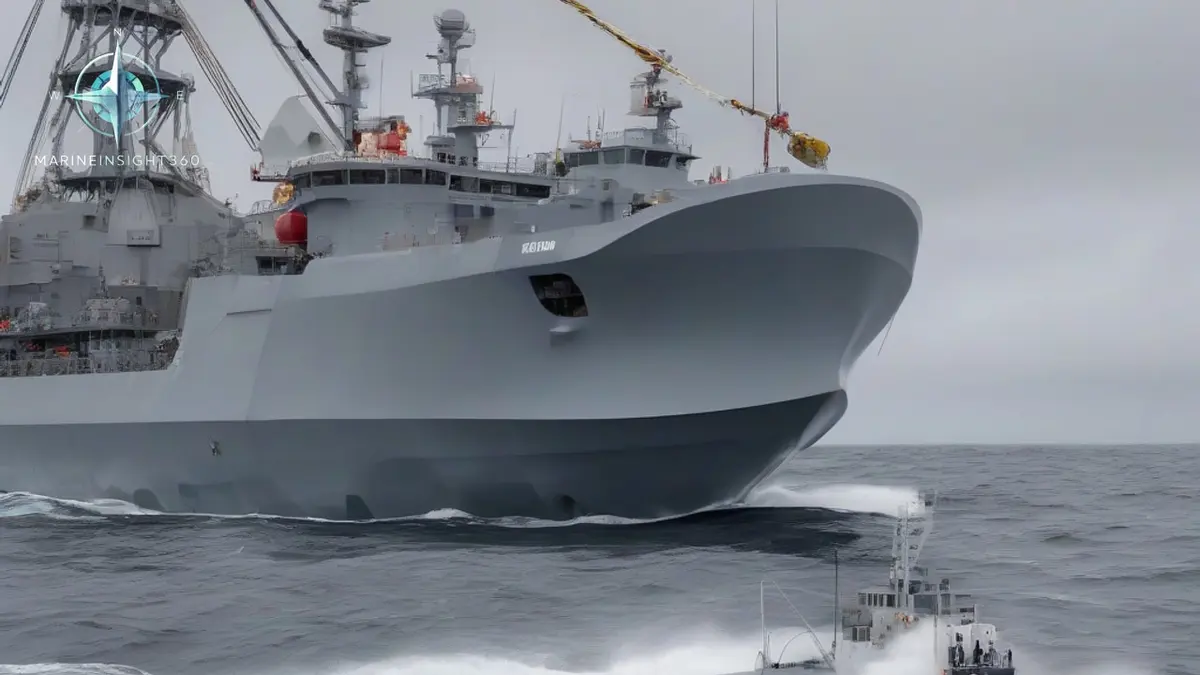
Large undersea drones, which the US Navy calls Large Displacement Unmanned Undersea Vehicles, are uncrewed submarines designed for long-duration missions in surveillance, anti-submarine warfare, mine countermeasures and logistics support.
Diving Deeper: The US Navy's Quest for Large Undersea Drones and its Impact on the Maritime Landscape.
The recent announcement by the Defense Innovation Unit (DIU) regarding the selection of three companies to develop prototypes for Large Displacement Unmanned Undersea Vehicles (LDUUVs) for the US Navy, as reported by Breaking Defense, signifies a significant step forward in underwater warfare capabilities. This blog post delves into the details of this project, explores its potential implications for the maritime industry and national security, and examines the broader challenges and opportunities that lie ahead.
Submerging into the Project: Unveiling the LDUUV Initiative:
The US Navy's LDUUV program aims to develop and deploy unmanned underwater vehicles capable of carrying out long-duration, long-range missions for various purposes, including:
- Intelligence gathering and surveillance: Collecting data on enemy activities and monitoring underwater environments.
- Anti-submarine warfare: Tracking and engaging hostile submarines.
- Mine countermeasures: Identifying and neutralizing underwater mines.
- Logistics and support: Transporting supplies and equipment to support naval operations.
The initiative involves three companies: Kongsberg Discovery, Oceaneering International, and Anduril Industries, each tasked with developing and testing their own LDUUV prototype [1]. This competitive approach fosters innovation and allows the Navy to evaluate different technologies and designs before selecting the optimal solution.
Navigating the Implications: Uncharted Waters for the Maritime Industry:
The development and deployment of LDUUVs have far-reaching consequences for the maritime industry:
- Enhanced Security: Increased underwater surveillance capabilities can improve maritime security by deterring illegal activities and enhancing situational awareness.
- New Job Opportunities: The development, operation, and maintenance of LDUUVs will create new job opportunities in specialized fields like robotics, artificial intelligence, and underwater communications.
- Shifting Skillsets: Seafarers may need to adapt their skillsets to collaborate with and maintain these advanced underwater systems.
- Regulations and Safety: Clear regulations and international agreements are crucial to ensure the responsible use of LDUUVs and prevent potential environmental or safety hazards.
Charting the Course: Challenges and Opportunities in the Deep:
Several challenges need to be addressed before LDUUVs reach their full potential:
- Technological Barriers: Issues like autonomy, communication in underwater environments, and battery life need further development and refinement.
- Cost Considerations: Developing and deploying LDUUVs requires significant investment, requiring efficient allocation of resources.
- Ethical Concerns: Moreover, the use of autonomous underwater weapons raises ethical and legal questions that require careful consideration and international cooperation.
Despite these challenges, opportunities abound:
- Collaborative Development: Partnerships between governments, industry, and academia can accelerate technological advancements and address ethical concerns.
- International Cooperation: Establishing clear international regulations and safety standards can ensure the responsible use of LDUUVs and prevent potential conflicts.
- Investing in the Future: Continued investment in research and development is crucial to harness the full potential of LDUUV technology.
Merchant Navy in the Changing Tides:
The LDUUV project has particular implications for the Merchant Navy:
- Increased Awareness: Seafarers need to be aware of the capabilities and limitations of LDUUVs to operate safely and efficiently in shared maritime spaces.
- Potential Collaboration: Seafarers may be involved in supporting LDUUV operations, requiring new skills and knowledge.
- Ethical Considerations: Merchant Navy personnel should advocate for responsible and ethical use of LDUUVs to protect the marine environment and ensure freedom of navigation.
Beyond the Horizon: A Strategic explain the Future:
However, the US Navy's LDUUV initiative signifies a pivotal moment in underwater warfare and maritime technology. While challenges remain, the potential benefits for national security, the maritime industry, and the Merchant Navy are significant. Lastly, by navigating these complex waters with collaboration, innovation. Responsible governance, we can unlock the promise of LDUUVs for a safer, more secure, and sustainable maritime future.
Career planning context
For cadets, ratings and officers, large undersea drones should be read alongside current company requirements, flag-state rules, medical fitness standards and training-provider instructions. The pathway can change by country, rank, vessel type and previous sea service. Candidates should verify documents before paying fees or accepting a joining offer.
Recommended Reading
Average Merchant Navy Salary in US & UK
The Merchant Navy offers a thrilling career, blending high seas adventure with competitive salaries and global travel. Whether you’re eyeing a role as a…
Average Merchant Navy Salary in the UK & USA
A UK Merchant Navy salary is determined based on rank position, experience level, ship type, and employment status between private shipping companies and…
Navy or Marines: What's different?
Navy or Marines: What's different?: career, certification and hiring context for US, UK, Canada, Australia, Singapore and European maritime readers.