
Duties of a Maritime Insurance Broker
Duties of a Maritime Insurance Broker: regulatory and compliance context for US, UK, Canada, Australia, Singapore and European maritime readers.

Maritime trade involves high-value assets, long voyages, and constant exposure to risk. From ships and cargo to crew and ports, a single incident can lead to massive financial loss. This is where a maritime insurance broker becomes essential—acting as the link between shipowners, operators, and insurers to ensure the right protection is in place.
Below is a clear, real-world look at the key duties of a maritime insurance broker .
Understanding Client Risk Profiles
A maritime insurance broker’s first responsibility is to assess the client’s risk exposure . This includes understanding:
- Type of vessel or cargo
- Trading routes and ports
- Vessel age and condition
- Operational history and claims record
By evaluating these factors, brokers can recommend insurance coverage that truly matches the client’s operations—not generic policies.
Arranging Appropriate Insurance Cover
Based on the risk assessment, brokers arrange suitable marine insurance policies, such as:
- Hull and Machinery (H&M)
- Protection and Indemnity (P&I)
- Cargo insurance
- War risk insurance
- Loss of hire insurance
Their role is to secure comprehensive coverage at competitive premiums , ensuring there are no dangerous gaps in protection.
Negotiating Terms and Premiums
Maritime insurance brokers negotiate directly with insurers on behalf of clients. This includes:
- Premium rates
- Policy terms and conditions
- Deductibles and limits
- Special clauses and warranties
Strong negotiation skills and market knowledge allow brokers to obtain better terms and broader coverage .
Advising on Compliance and Risk Management
Brokers don’t just sell insurance—they advise on risk prevention . They help clients comply with:
- International maritime regulations
- Classification society requirements
- Port state and flag state standards
They may also recommend safety improvements or operational changes that reduce risk and lower insurance costs.
Claims Handling and Support
One of the most critical duties of a maritime insurance broker is claims management . When an incident occurs, brokers:
- Notify insurers promptly
- Assist with documentation and evidence
- Coordinate with surveyors and adjusters
- Follow up until claims are settled
Their involvement helps speed up settlements and ensures clients receive fair compensation .
Market Intelligence and Advisory Role
Maritime insurance markets change constantly due to geopolitical risks, accidents, sanctions, and climate-related events. Brokers keep clients informed about:
- Market trends
- Premium increases or reductions
- New coverage options
- Emerging risks
This proactive advice allows clients to make informed commercial decisions.
Acting as a Trusted Representative
Maritime insurance brokers act as the client’s trusted representative in all dealings with insurers. They protect the client’s interests, explain complex policy language, and ensure transparency throughout the insurance lifecycle.
Final Thoughts
A maritime insurance broker is far more than a middleman. They are risk advisors, negotiators, problem-solvers, and claim advocates who play a crucial role in protecting maritime businesses from financial loss.
In an industry where uncertainty is constant, a skilled maritime insurance broker provides stability, confidence, and long-term value.
Operational context
Recommended Reading
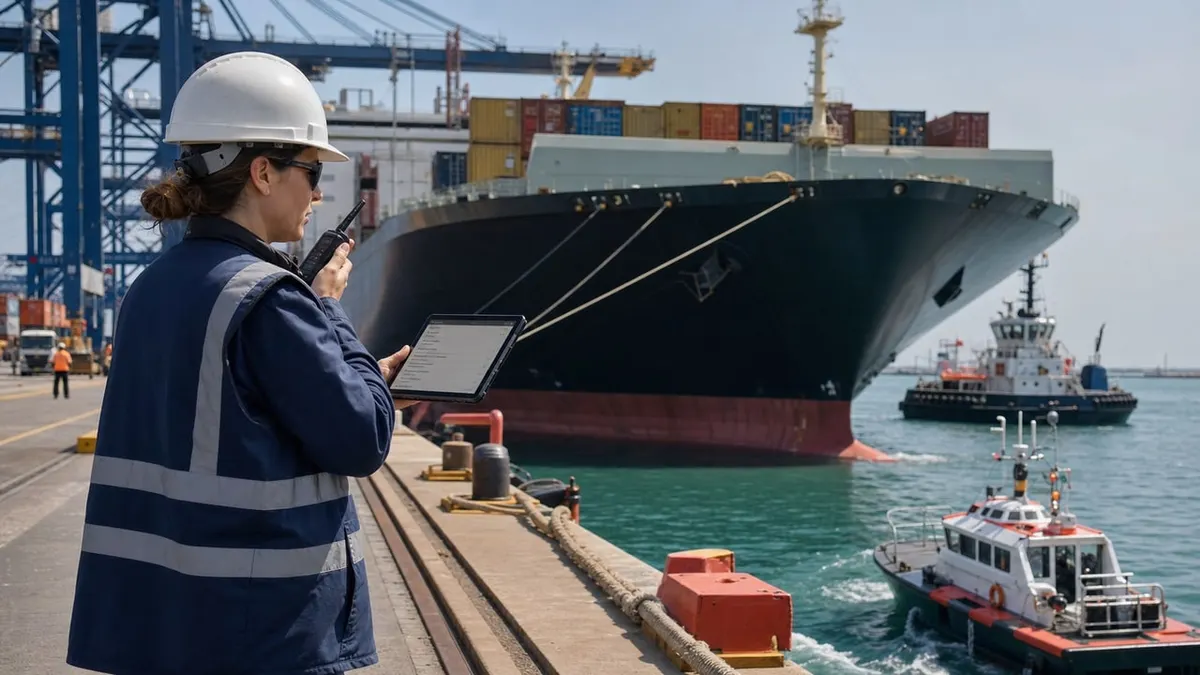
Shipping Agent Role: Port Call Duties Explained
Learn how a shipping agent coordinates vessel clearance, port services, documents and communications before, during and after a port call.

Duties of a Marine Engineer in the Merchant Navy
Duties of a Marine Engineer in the Merchant Navy: technology, equipment and fleet context for US, UK, Canada, Australia, Singapore and European...
Top 10 Largest Insurance Payouts
Top 10 Largest Insurance Payouts: regulatory and compliance context for US, UK, Canada, Australia, Singapore and European maritime readers.