
Freshwater Oceans: Do They Exist?
Exploring the world's largest freshwater bodies and their comparison to the world's oceans, including implications for maritime activities.
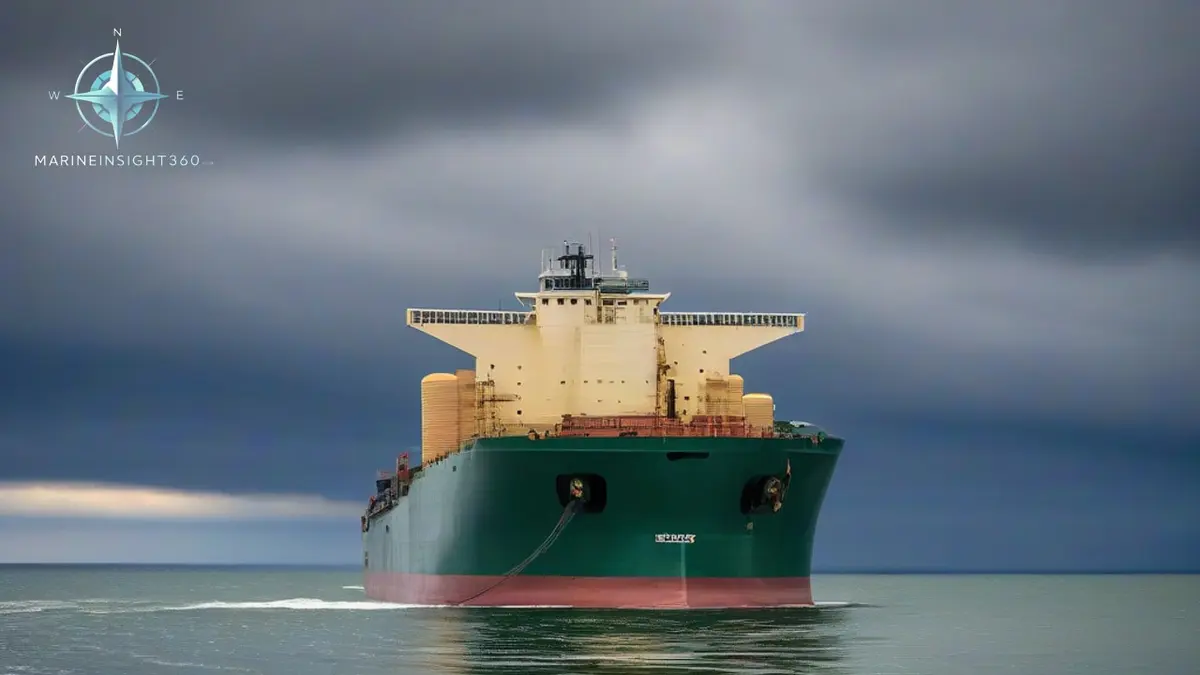
Freshwater Oceans is the focus of this article because it connects operators, crews, regulators and sustainability teams with the wider question behind Freshwater Oceans: Do They Exist?.
There Is No Freshwater Ocean – The Facts
There is no freshwater ocean. The planet’s oceans hold 97.5 % of all water, while only 2.5 % is freshwater, most of which is ice or underground. The largest lakes, such as Lake Superior and Lake Baikal, are far smaller and shallower than oceans, so a freshwater ocean does not exist.
For seafarers, cadets, and shipping professionals this means that the rules, vessel designs, and cargo expectations that apply to the world’s oceans also apply to the great lakes and other large inland waters, but with important differences in depth, draft limits, and national regulations.
Global Water Balance – Why Size Matters
Earth contains roughly 1.386 billion km³ of water. Of that, 97.5 % is saline ocean water, leaving just 2.5 % as freshwater. Within the freshwater pool, only about 0.3 % is liquid surface water; the rest is ice, glaciers, or groundwater. Even the combined volume of all lakes and rivers is a drop compared with the oceans.
This imbalance shapes navigation, resource planning, and climate modelling for operators and port authorities worldwide.
The Largest Freshwater Lakes – Size, Volume and Depth
Maritime professionals refer to a handful of lakes that dominate the global freshwater inventory. Below are the five biggest by surface area and volume.
- Lake Superior – 82,000 km² area; 12,100 km³ volume; average depth 147 m, max 406 m. Holds roughly 10 % of all liquid freshwater.
- Lake Baikal – 31,500 km² area; 23,600 km³ volume; max depth 1,700 m, the deepest lake on Earth. Contains about 20 % of the world’s liquid freshwater.
- Lake Tanganyika – 32,600 km² area; 18,900 km³ volume; max depth 1,470 m.
- Lake Victoria – 68,800 km² area; 2,800 km³ volume; max depth 84 m.
- Lake Michigan–Huron (hydrologically one lake) – 117,000 km² area; 4,918 km³ volume; max depth 281 m.
Even Lake Superior covers less than 0.1 % of the ocean’s surface area and contains a fraction of its volume. Their depths, while impressive, do not approach the average ocean depth of 3,700 m.
Maritime Operations on Great Lakes and Large Inland Waters
Despite their modest size, the Great Lakes and other major lakes support a vibrant commercial shipping sector. Vessels ranging from bulk carriers to container ships navigate these waters under the same safety conventions that apply at sea, but with notable adaptations.
Port Infrastructure and Trade Flows
Key ports on Lake Superior include Duluth (U.S.) and Thunder Bay (Canada), handling iron ore, grain and coal. Lake Baikal’s main outlet, Irkutsk, serves regional timber and mineral shipments. Compared with ocean ports, lake terminals often have shallower drafts (typically 9–12 m) and smaller berths, requiring careful cargo planning.
Navigation Rules and Vessel Requirements
International conventions such as SOLAS and COLREGs are enforced on large lakes, but national authorities may issue supplementary rules. In the United States, the U.S. Coast Guard applies the Inland Navigation Rules, while Canada’s Transport Canada follows the Canadian Inland Navigation Rules. Crews must hold appropriate endorsements—e.g., a U.S. Merchant Mariner Credential with an inland endorsement—to operate on these waters.
Operational Impacts for Crew
Lake voyages are shorter, often under 48 hours, which reduces fatigue risk but increases the frequency of port calls. Weather can change rapidly; lake‑effect storms demand vigilant watch‑standing and up‑to‑date forecasts from agencies such Why this matters Freshwater Oceans matters because maritime decisions rarely sit in one department. A route story may affect insurance, crew planning and cargo timing. A machinery topic may affect maintenance, safety permits and spare-part planning. A career question may affect training, documents and joining readiness.
For readers in the United States, United Kingdom, Europe, Canada, Australia, Singapore and other mature maritime markets, the useful angle is practical: what changes, what remains uncertain, and which checks should happen before a decision is made.
Operational context
In daily maritime work, freshwater oceans should be compared with vessel type, flag requirements, company procedures, port expectations, cargo risk and crew competence. The same topic can look different on a container ship, bulk carrier, tanker, offshore vessel, training ship or shore-side logistics desk.
That is why this article avoids treating the subject as a standalone headline. It connects the issue with the checks that operators, crews, regulators and sustainability teams can use when reading a report, preparing for a voyage, reviewing a procedure or planning a career step.
For related environmental and safety updates, continue with the maritime news desk.
Next steps
For related environmental and safety updates, continue with the maritime news desk. Use the linked hub to compare the topic with related guidance before making operational, training or commercial decisions.
Recommended Reading
Freshwater Generator on Ships: How It Works, Types and Components
How a ship's freshwater generator turns seawater into drinking water: vacuum evaporation, main components, operating limits, and when reverse osmosis wins.
Marine Scrubbers: Types, How They Work and Where the Rules Are Tightening
How marine scrubbers strip sulfur from ship exhaust, the difference between open-loop, closed-loop and hybrid systems, and where washwater discharge is banned.
10 of the World's Greatest Natural Harbors, and Why They Matter
What makes a natural harbor, and ten of the world's greatest: Sydney, San Francisco, New York, Rio, Halifax and more, with the geography that shelters them.