
How to Choose a Flag State for a Commercial Ship
Choosing a flag state: port state control record, convention coverage, crew and ownership rules, costs, lender acceptance and the trade-offs behind each.
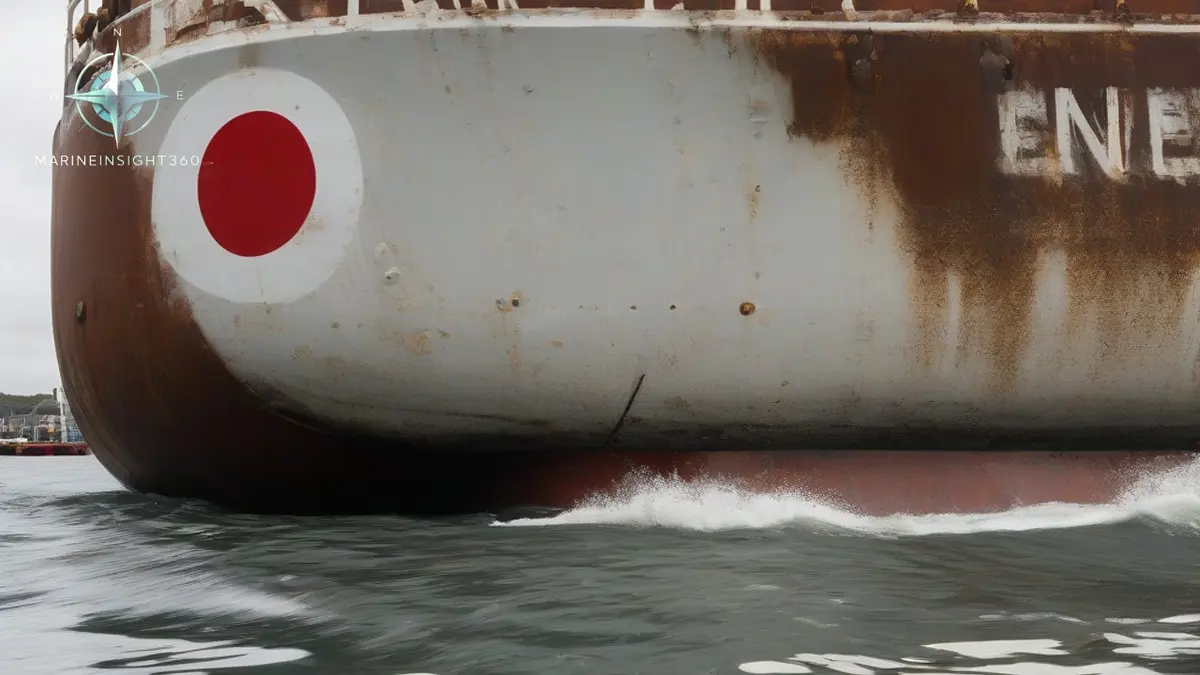
Boil down how to choose a flag state and you are left with five questions: how the registry performs under port state control, which conventions it has ratified and how it enforces them, what it demands of your ownership structure and crew nationalities, what it costs to register and stay registered, and whether your lender and your charterers will accept it. Get those right and the flag becomes invisible.
Get them wrong and it shows up as Paris MoU detentions, delayed certificates and a financing problem.
The flag state is the country whose nationality the ship holds. Under the 1982 UN Convention on the Law of the Sea, each state sets the conditions for granting its nationality to ships and then carries responsibility for administrative, technical and social matters aboard them. That responsibility is the product you are buying.
Start with port state control performance
Nothing predicts operational friction better than the flag record. The Paris Memorandum of Understanding and the Tokyo MoU both publish White, Grey and Black lists ranking flags by the detention record of their fleets over a rolling three-year period. Ships on a White List flag are treated as lower risk and inspected less often. Ships on a Black List flag attract targeted attention at every call.
The US Coast Guard runs its own equivalent through the Qualship 21 programme, which rewards flags and vessels with a clean US inspection history. The International Chamber of Shipping also publishes an annual Flag State Performance Table that scores registries across detentions, convention ratification, age of fleet and attendance at IMO meetings.
Read all three before shortlisting. A registry can sit on one White List and not another, which matters if your trade is regional.
Check what the registry has actually ratified
A flag that has not ratified an instrument cannot certify your ship against it, and your charterers may require the certificate anyway. Work through the list your trade needs:
- MARPOL annexes, including Annex VI for air emissions, since that governs your fuel and any scrubber arrangement.
- The Maritime Labour Convention 2006, which requires the flag to issue a Declaration of Maritime Labour Compliance Part I setting out national requirements.
- The Ballast Water Management Convention and the associated approval regime.
- The Hong Kong Convention on ship recycling, increasingly relevant to end-of-life planning and to lenders.
- Civil liability and bunker pollution conventions, which underpin the blue cards your P and I club issues.
Ownership, crew and cabotage restrictions
National registries generally require a link between the ship and the country: local incorporation, a percentage of national ownership, sometimes national officers. Open registries relax those conditions and accept foreign ownership through a locally registered company. Second or international registries, run alongside a national flag, sit between the two and typically allow mixed-nationality crews while preserving access to national tax regimes.
Crew rules deserve close attention. Under STCW, a certificate issued by one administration needs an endorsement from the flag state before the holder can serve on its ships. If your crewing pool holds certificates the flag does not recognise, or recognises slowly, the flag will control your manning. Ask about typical endorsement turnaround time in working days and get it in writing.
Trade access is the other constraint. Domestic coastwise trades are commonly reserved to national flag tonnage. In the United States the Jones Act restricts domestic waterborne cargo to US-built, US-flagged, US-crewed vessels, and the operating cost differential is substantial. If your trade is domestic, the flag decision may already be made for you.
The cost picture, beyond the registration fee
- Initial registration. Usually scaled by gross tonnage, plus company formation costs if the registry requires a local entity.
- Annual tonnage dues. The recurring charge, again tonnage-based, and the number most easily compared between registries.
- Statutory certification. Most flags delegate survey and certification to Recognized Organizations, meaning classification societies. Check which societies are authorised and for which certificates, because a narrow list limits your class choice.
- Seafarer endorsements. Per certificate, per crew member, repeated at every renewal. On a large fleet this adds up quietly.
- Tax regime. Tonnage tax systems in several European states tax on notional tonnage rather than profit, but they attach conditions on flag, management location and fleet composition.
What lenders, insurers and charterers think of the flag
Flag choice is a financing question as much as a technical one. Ship mortgages have to be registered against the vessel in the flag registry, and lenders care about how enforceable that security is and how quickly a registry responds to a default. Registries with established mortgage law and a track record of enforcement attract better terms.
Underwriters read flag performance directly into risk pricing. Charterers and terminals do the same, and major oil and dry bulk charterers apply flag as a screening criterion alongside class and vetting results. A poorly regarded flag can quietly remove a ship from consideration before anyone reads the technical particulars.
Practicalities and the mistakes that follow a bad choice
Most registries offer provisional registration within days so a delivery can proceed, with permanent registration following once documents are complete. Bareboat charter registration allows a ship to fly a second flag for the charter period while the underlying registry holds the title, which is common in leasing structures and needs both administrations to permit it.
The recurring mistakes are predictable. Selecting on annual dues alone and discovering that certificate turnaround takes weeks. Ignoring the geography of the registry surveyor network, which decides whether an inspector can reach your ship in a remote port or has to be flown in. Overlooking sanctions and reputational exposure attached to certain flags, which can freeze a vessel out of mainstream trades regardless of her condition. And changing flag mid-charter without checking whether the charter party permits it.
Before committing, ask three current clients of the registry how long a routine endorsement and a certificate reissue actually take. Our Ports and Shipping section covers how port state control targeting works once the flag is chosen.
Sources and further reading
- Choosing the Right Flag - The Maritime Executive
- Shipping Industry Flag State Performance Table 2025/2026 - ICS
- Analysis of White, Grey, and Black Flags for Ships
What to read next
Recommended Reading

Is the Bahamas a Reputable Flag State? What the Inspection Record Shows
How the Bahamas registry performs on Paris MOU and Tokyo MOU white lists and QualShip 21, and what the flag means for crew, owners and charterers.

Choosing the Best Flag State for Ship Registration
How to choose the best flag state for ship registration: port state control performance, treaty ratification, manning rules, cost and service quality.
Singapore Registry of Ships: Who Can Register and What the Flag Expects
How the Singapore Registry of Ships works: ownership and paid-up capital rules, the 1,600 GT and 17-year thresholds, class societies and flag state control.