
How to Improve a RightShip Safety Score: What Actually Moves the Number
The RightShip Safety Score runs 1 to 5 and rebuilds as data arrives. Where scores are lost, what fixes them, and how long improvement takes.
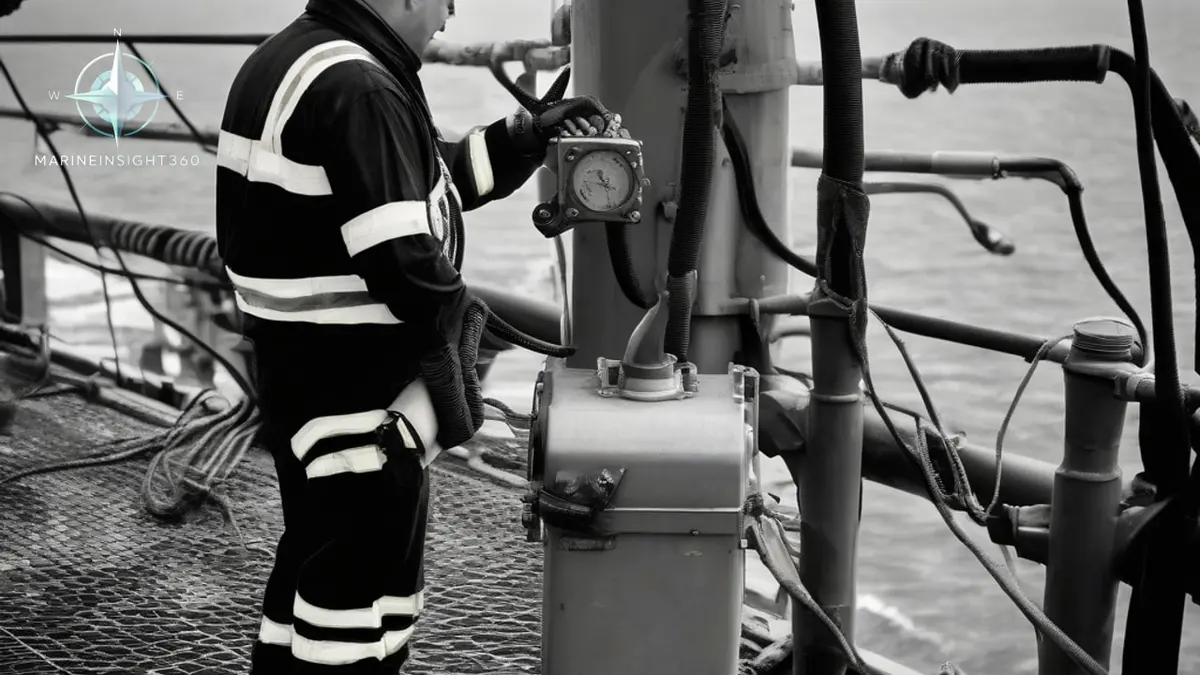
To improve RightShip Safety Score results, you have to work on the inputs the model can see. Those are port state control performance, incident history, inspection outcomes and the accuracy of the data your company files. Detentions and deficiencies logged by AMSA, the USCG and the Paris MoU feed straight into it. A single bad inspection in Newcastle or Houston follows the ship for months.
The score is expressed out of 5 and is rebuilt as new data arrives, so it responds to sustained performance rather than one good month. There is no shortcut and no appeal that substitutes for a clean record.
What the Safety Score actually measures
RightShip describes the Safety Score as a combination of maritime data sets, industry standards, statistical modeling and expert review, expressed as a single figure. It is built from six sub-scores, plus a set of industry standard safety performance rules that every vessel is checked against, plus expert review of individual vessels.
The design point matters. The model is centered on safety performance indicators that operators can affect, so it is not a static age or flag rating. Owners can see which sub-scores are dragging the result and benchmark against better performers in the same segment.
Where scores are usually lost
- Port state control deficiencies and detentions. RightShip has published work on weighting PSC deficiency severity, so a detention or a serious structural or ISM finding carries far more weight than a minor administrative one.
- Repeat findings. The same deficiency recurring across inspections signals a management system failure rather than a one-off.
- Incidents and casualties. Groundings, collisions, fires, cargo damage and personal injury events all feed the picture.
- Fleet level performance. A ship is not read alone. The record of the technical manager and the owner across their fleet influences how a vessel is assessed.
- Stale or missing data. Incorrect particulars, missing inspection records and unregistered management changes leave gaps that the model does not fill charitably.
Practical steps that improve a RightShip Safety Score
- Close PSC findings properly and record it. Rectify, verify and file the evidence. Closing a deficiency without documented root cause analysis invites the same finding at the next port.
- Run a real internal inspection regime. Superintendent visits that use the same checklist as external inspectors surface problems before someone else does.
- Prepare for RISQ inspections deliberately. The RightShip Inspection and Assessment Questionnaire is published. Crews should work through it by rank and by space, with named responsibility for each section, well before the inspector arrives.
- Fix the recurring items first. Lifeboat and davit maintenance, fire dampers, emergency generator and steering gear tests, oil record book entries and pilot ladder rigging generate a disproportionate share of findings across the world fleet.
- Keep vessel and company data current. Update particulars, management details, class records and inspection history as they change, not once a year.
- Use the sub-score breakdown. Work the specific components that are low rather than spreading effort evenly across everything.
How the score is used commercially
RightShip recommends the Safety Score as a first filter when deciding which vessels to put forward for full vetting. In practice, charterers and terminals set a threshold, and ships below it are screened out before a human ever looks at them. Major dry bulk charterers, terminal operators and some port authorities build it into their acceptance criteria.
That is why a one-point difference carries commercial weight out of proportion to its technical meaning. A low score does not usually produce a rejection letter. It removes the ship from the candidate list quietly.
A realistic timeline
Expect months, not weeks. The model draws on rolling history, so a clean period has to accumulate before it outweighs a detention. Practically, a technical manager should treat a poor score as an 18 month program: fix the systemic cause, build a clean inspection record, keep the data current, and let the model catch up.
The fastest genuine gains come from correcting bad data and from closing open findings with evidence attached. The slowest come from a casualty history, which simply has to age out.
What crews on board can control
Deck and engine officers cannot change the model, but they generate almost all of its inputs. Rigging a compliant pilot ladder, testing emergency equipment on schedule and recording it, keeping the oil record book accurate, and running an honest safety management system are the daily actions behind the score. A ship that would pass an unannounced inspection tomorrow holds a good score without anyone managing it.
RightShip publishes its Safety Score methodology and its vessel vetting methodology openly, and both are worth reading before planning any improvement program. Related vetting and inspection material sits in the Marine Insight 360 Shipboard Operations section.
Sources and further reading
- RightShip: What is RightShip's Safety Score?
- RightShip: Safety Score Methodology
- RightShip: Vessel vetting methodology
- RightShip Deep Dive: Safety Score, PSC Deficiency Severity and Model Improvements
What to read next
Recommended Reading

Container Tracking: How Shippers Actually Follow a Box Across the Ocean
How container tracking works, from free carrier lookups to visibility platforms: what each tool layer does, what it costs, and how to pick for your volume.

How to Check a RightShip Rating and What the Score Actually Means
Check a vessel RightShip rating: where the Safety Score lives, what the 0 to 5 scale means to charterers, and how owners get bad data corrected.
Ship Captain Salary: What Masters Actually Earn and What Moves the Number
Ship captain salary in plain numbers: the US federal wage data for captains and mates, why the range is so wide, and how rotation and vessel type change pay.