
Hulk of OS 35 Bulker Lifted from the Waters off Gibraltar
Learn how the OS 35 bulker’s removal off Gibraltar affects shipowners, operators, and crews, and what it means for future maritime infrastructure.
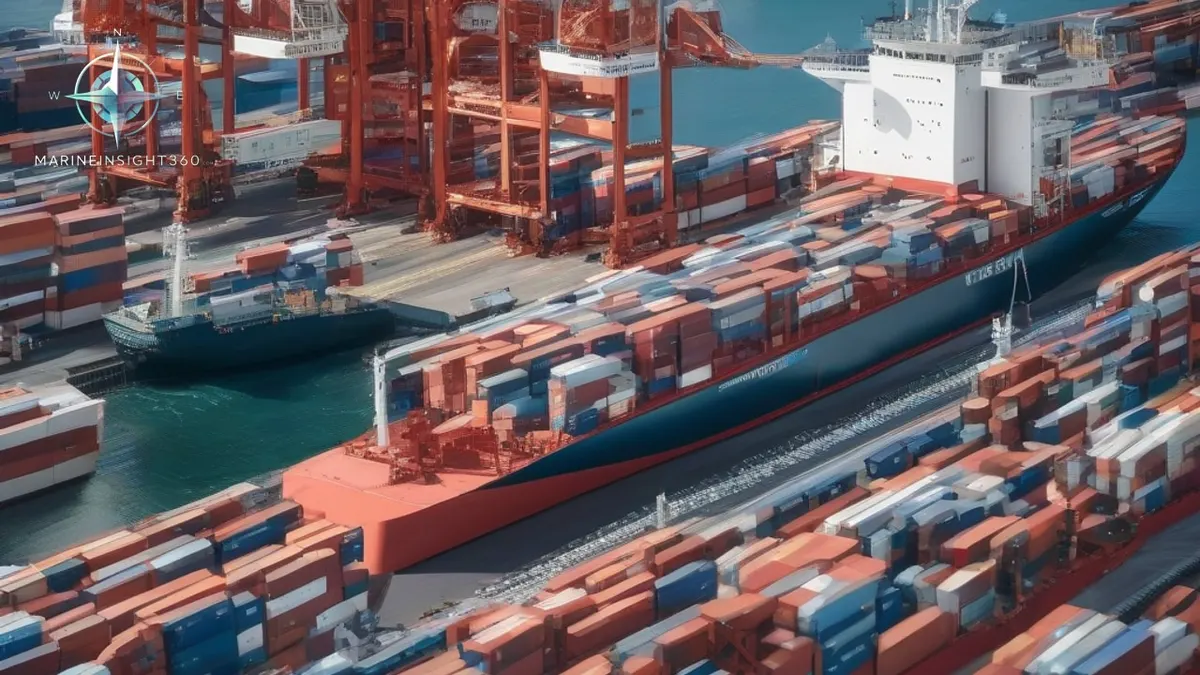
Hulk of OS 35 Bulker Lifted from the Waters off Gibraltar: A Case Study in Hull Removal
The successful removal of the 200-year-old OS 35 bulker from the waters off Gibraltar on 12 June 2024 marks the end of a long-standing environmental hazard and opens the site for new maritime infrastructure. This operation highlights the importance of proactive hull-management and the risks of abandoned vessels, serving as a benchmark for shipping professionals to anticipate future regulatory changes in major shipping hubs.
Key Decision Criteria for Hull Removal
When considering hull removal, operators must weigh several factors, including: * Vessel size and condition : The OS 35 was 150 m long and 30 m wide, with heavily corroded steel requiring a reinforced crane and a floating dock to distribute weight. * Location and access : The hulk lay 2 km off Gibraltar, in a busy shipping lane, necessitating a temporary navigation channel to avoid disrupting commercial traffic. * Environmental regulations : The operation complied with the International Maritime Organization's IMO 2020 Sulphur Cap and the European Union's Marine Strategy Framework Directive, ensuring no oil or hazardous material was released.
* Cost versus benefit : Salvage costs ran into the millions of euros, but the long-term benefit of clearing a 10-metre wide channel for future vessels outweighed the expense.
Common Mistakes to Avoid in Hull Salvage
To ensure successful hull salvage, operators must avoid common pitfalls, including: * Underestimating the vessel's weight : The OS 35's hull weighed 1,200 tonnes; a crane rated for 1,000 tonnes would have failed. * Ignoring local navigation rules : The salvage team coordinated with the Gibraltar Port Authority to schedule the lift during a low-traffic window. * Failing to secure hazardous materials : Prior to lifting, the crew removed all remaining fuel and ballast water, preventing spills.
Operational Impact for Crews and Cadets
For seafarers, the OS 35 lift offers a real-world example of how salvage operations are planned and executed. Cadets studying STCW (the international convention setting minimum training standards for seafarers) can see the practical application of emergency response, heavy-lift techniques, and environmental protection protocols.
Risk Assessment and Communication Protocols
* Risk assessment : Before any salvage, crews must conduct a detailed risk analysis covering structural integrity, weather, and traffic. * Communication protocols : The operation relied on continuous radio contact with the Gibraltar Coast Guard and the salvage vessel's bridge. * Safety first : Personal protective equipment and safety zones were established around the crane and pontoon, reducing injury risk.
Future Opportunities for the Gibraltar Maritime Corridor
With the OS 35 removed, the 10-metre wide channel will now accommodate vessels up to 200 m in length, opening the corridor for larger bulk carriers and container ships. This potentially boosts trade between the Mediterranean and the Atlantic, and port operators can use the cleared area to develop a new transshipment hub, attracting shipping lines that seek faster turnaround times.
Next Steps for Shipping Professionals
* Review your vessel's hull condition : If it has been idle for more than five years, consult with a licensed salvage company to assess removal options before the vessel becomes a hazard. * Stay updated on local regulations : The Gibraltar Port Authority has issued new guidelines for abandoned vessels in 2024. * Consult the Knowledge Base : For more detailed guidance on hull removal and environmental compliance, visit Marine Insight 360's Marine Machinery section or consult the Knowledge Base on abandoned vessel regulations.
Why This Story Matters to the Maritime Community
The OS 35 lift demonstrates that even the most aged and neglected vessels can be safely removed, protecting navigation channels and the environment. Shipping professionals should use this case as a benchmark for hull-management strategies and to anticipate future regulatory changes in major shipping hubs.
Why this matters
Waters Off Gibraltar matters because maritime decisions rarely sit in one department. A route story may affect insurance, crew planning and cargo timing. A machinery topic may affect maintenance, safety permits and spare-part planning. A career question may affect training, documents and joining readiness.
For readers in the United States, United Kingdom, Europe, Canada, Australia, Singapore and other mature maritime markets, the useful angle is practical: what changes, what remains uncertain, and which checks should happen before a decision is made.
Operational context
In daily maritime work, waters off gibraltar should be compared with vessel type, flag requirements, company procedures, port expectations, cargo risk and crew competence. The same topic can look different on a container ship, bulk carrier, tanker, offshore vessel, training ship or shore-side logistics desk.
That is why this article avoids treating the subject as a standalone headline. It connects the issue with the checks that ship operators, masters, safety officers and compliance teams can use when reading a report, preparing for a voyage, reviewing a procedure or planning a career step.
Checks for readers
- Identify whether the topic affects safety, compliance, maintenance, navigation, cargo, careers or commercial planning.
- Confirm the latest company procedure, official notice, training requirement or port instruction before acting.
- Separate background context from instructions that require a qualified officer, engineer, surveyor or shore-side approval.
- Use related Marine Insight 360 pages to build a stronger topic cluster instead of reading one article in isolation.
For related compliance and onboard procedure topics, continue with the shipboard operations knowledge base.
Recommended Reading
Who Owns the Gulf of Mexico? Territorial Waters, EEZs and the Doughnut Holes
Who owns the Gulf of Mexico: how the US, Mexico and Cuba divide it under the Law of the Sea, what the doughnut holes are, and what the naming dispute changes.
Understanding International Waters: Boundaries, Jurisdiction and Legal Implications
Understanding International Waters: Boundaries, Jurisdiction and Legal Implications: ports, trade and shipping-market context for US, UK, Canada,...
What Are 10 Interesting Facts About the Strait of Gibraltar?
Before the discovery of America in the West, Europe was generally perceived as the edge of the world. Apart from the northern Scandinavian countries and…