
Is Bermuda Triangle Mystery Solved?
Is Bermuda Triangle Mystery Solved?: technology, equipment and fleet context for US, UK, Canada, Australia, Singapore and European maritime readers.
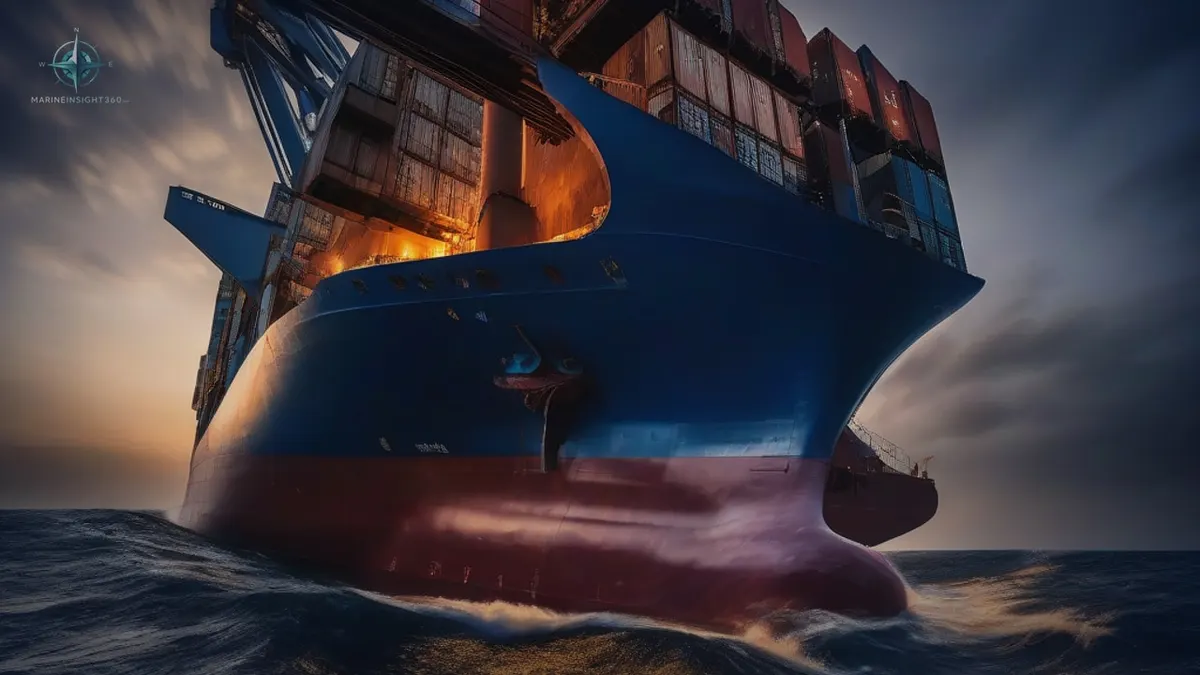
What is Bermuda Triangle?
The infamous mystery of the Bermuda Triangle continues to baffle scientists and common people. There are many theories and possibilities surrounding it, but no concrete conclusion has been able to reveal the secrets behind the strange disappearances of planes and ships in the triangle. If you are one of those who have rarely heard of the Bermuda Triangle, read on as we explore the strangest stories and incidents associated with the Bermuda Triangle.
The term Bermuda Triangle was coined by Vincent H. Gaddis in 1964. He wrote an article about strange disappearances in the triangle. The Bermuda Triangle is an unnamed area in the North Atlantic Ocean, and stories about it became popular in the 1970s. Many pilots and sailors came forward to share stories of accidents and losses. Many stories about the Bermuda Triangle have been proven to be false and fabricated to increase popularity, while others are backed by strong evidence.
In fact, the first written record on the subject was found in the diary of Christopher Columbus, a famous ocean explorer in the 15th century. Columbus wrote in his journal that his compass was lost when it hit an invisible boundary between Florida and Puerto Rico. Since then, many stories have circulated, but here's everything you need to know to spark and quell your curiosity about this infamous triangle.
Has the Bermuda Triangle mystery finally been solved?
The Bermuda Triangle mystery has long puzzled many people, but it has finally been solved. This deadly area between Florida, Puerto Rico, and Bermuda has become notorious over the years because many people have entered the area and never left.
The Bermuda Triangle covers a vast 700,000 km area of ocean and is a crowded area. There have been many conspiracy theories about the Bermuda Triangle over the years, some with more plausibility than others.
Some people believe that supernatural forces or alien invaders are capturing humans for experimental research. This is a bit far-fetched, so the experts did some research.
Australian scientist Karl Kruselnicki has debunked rumors about a large number of disappearances by pointing out the most common and "simple" scientific facts.
The Australian scientist also added that the unsolved mystery of the Bermuda Triangle is most likely caused by "human error and bad weather" caused by its proximity to the equator.
“It’s close to the equator and close to the richest region in the world, the United States, so there’s a lot of traffic,” Kruzelnitsky said.
He stressed that the number of disappearances in the Bermuda Triangle is similar to that in other parts of the world, such as the Alaskan Triangle.
Kruzelnitsky stressed that the area where ships enter the Atlantic has unusual features and that “there’s nothing unusual” about this triangle.
“According to data from Lloyd’s of London and the U.S. Coast Guard, the proportion of disappearances in the Bermuda Triangle is the same as anywhere else in the world,” the scientist added.
Flight 19, which entered the Bermuda Triangle in 1945, was a training flight of five Grumman TBM Avenger torpedo bombers taking off from the Naval Air Station Fort Lauderdale, Florida.
The plane, which carried 14 crew members, all experienced naval pilots, has long been shrouded in mystery.
But the mystery was solved about 30 years later, in 1975, when librarian and historian Larry Kushi published his study of the phenomenon.
After thoroughly examining the ship's official report, Kushi concluded that the ship's disappearance was primarily due to "adverse weather conditions."
Operational context
Recommended Reading
Bermuda Triangle Stories, Myths, & Mysteries
The area near our luxury condo in Miami, South Florida, forms one corner of the Bermuda Triangle, a mysterious phenomenon that has baffled scientists and…
Exploring 5 Historic Mysteries of the Bermuda Triangle
Exploring 5 Historic Mysteries of the Bermuda Triangle: safety, training and compliance context for US, UK, Canada, Australia, Singapore and European...
Iran retaliates with missiles and drones, defying Trump’s warning
Learn iran with practical maritime context, safety checks, operational guidance and related resources for global shipping readers.