
Longest Non-Stop Sea Voyage In History
Longest Non-Stop Sea Voyage In History: ports, trade and shipping-market context for US, UK, Canada, Australia, Singapore and European maritime readers.
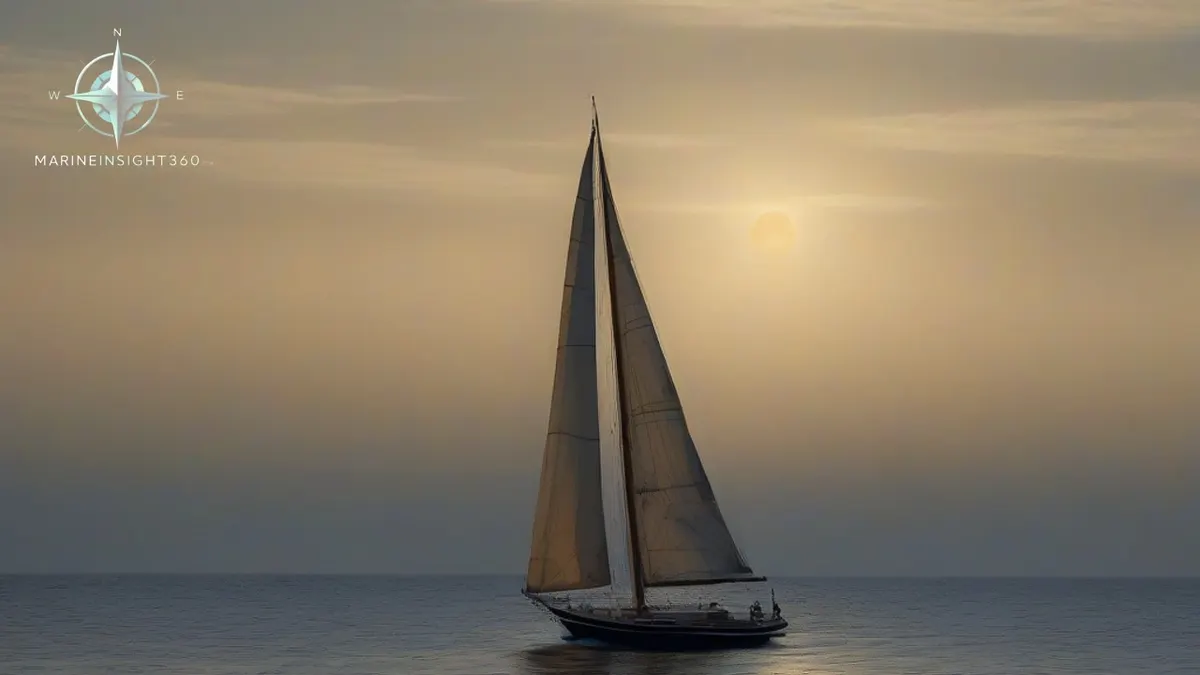
The longest non-stop sea voyage in history is the 1,152 days that artist and sailor William Reid Stowe spent at sea, leaving Hoboken, New Jersey on 21 April 2007 and returning on 17 June 2010.
Longest Non-Stop Sea Voyage In History
The Longest continuous Sea voyage in history was accomplished by visual artist and sailorWilliam Reid Stowe. He grew up watching boats on the East Coast and sailed the Pacific and Atlantic Oceans in his teens and twenties. He also built his own sailboat with the help of family and friends.
The voyage lasted 1,152 days, departing from Pier 12 in Hoboken, New Jersey, on April 21, 2007, and ending three years later on June 17, 2010. Entitled "1000 Days at Sea: A Mars Ocean Odyssey," the voyage was inspired by the idea of returning to Mars and aimed to push the limits of human endurance.
Stowe built his own sailboat for the trip! He was impressed by the fishing boat's equipment, believing it to be a perfect blend of craftsmanship and technology.
So, he went to his grandfather's beach house in North Carolina and began hand-carving the boat.
He wanted to build the boat in the style of 19th-century fishing boats, a style popular in the late 19th and early 20th centuries.
However, he used ferrite-covered wire mesh for the hull and Caribbean hardwoods harvested from the wreckage of Hurricane David for the interior. He likened the hull to a sealed steel and fiberglass bottle.
Power for the computers and communications equipment comes from wind, solar, and hydroelectric generators.
The ship, known as the "Tantra Ship," took 18 months to build. It weighs 60 tons, is 21.3 metres (70 feet) long, and 4.88 metres (16 feet) wide.
The ship needed to be durable, as it was to sail for 1,000 days at sea without resupply or port calls, in addition to other unfulfilled goals, such as circumnavigating the world four times.
This last goal proved difficult to achieve, as it required sailing in all weather conditions and enduring constant wear and tear.
Stowe eventually set sail in his boat, which he renamed "Annie," carrying three years' worth of supplies, nuts, and a small crop of bean sprouts.
His girlfriend, Suwanna Ahmed, accompanied him on the voyage; however, after 306 days at sea, she was picked up by a rescue ship near Perth, Western Australia.
- Tips for Safe Travel in the Tasman Sea
- Overview of Sea Shanties: Their Various Types
- Difference Between Time Charter & Voyage Charter Cost
- What Are 15 Facts About The Red Sea?
Stowe thought she was seasick, but it was actually morning sickness, and she gave birth to their son in New York. After the voyage, Stowe reunited with Dasin and Suwanna, then two years old.
The couple spent 306 days at sea together, the most at sea by a married couple and the most by a woman.
Stowe sailed solo for 846 days, also setting the record for the longest solo sea voyage without supplies.
The voyage was fraught with danger. A frigate narrowly avoided colliding with the sailboat, damaging its bow. On the 659th day, a huge wave capsized the boat, and Stowe lost consciousness.
Stowe broke the previous solo sea record of 419 days, held by Australian John Saunders.
Coincidentally, Saunders was part of the crew that rescued his pregnant girlfriend, Suana.
Saunders also held the record for the longest time at sea, 657 days, until Stowe broke it.
He also broke the previous record of 1,057 days set by Norwegian explorer Fridtjof Nansen in 1893 when his ship became trapped in ice while attempting to reach the North Pole.
Operational context
Recommended Reading
Largest Ships in Maritime History
Find out which vessel holds the record for length, gross tonnage and displacement. Includes specs for Seawise Giant, Pioneering Spirit and Shell Prelude.
Longest Navigable River For Shipping
Longest Navigable River For Shipping: ports, trade and shipping-market context for US, UK, Canada, Australia, Singapore and European maritime readers.
The Most Expensive Ships in History
The Most Expensive Ships in History: ports, trade and shipping-market context for US, UK, Canada, Australia, Singapore and European maritime readers.