
Ramadan at Sea: Fasting, Prayer and Watchkeeping for Muslim Seafarers
A practical guide to Ramadan on board: fasting and watchkeeping, rest hours, suhoor and iftar timings across time zones, galley, prayer and Eid.

For Muslim seafarers, Ramadan at sea brings challenges that people ashore rarely face: prayer and fasting times that shift as the ship crosses time zones, watches that do not stop for iftar, heat in the engine room, and a galley run on a fixed schedule for a multinational crew. With planning by the crew and support from the company, the month can be observed safely without affecting the safe running of the ship.
This guide covers the practical side: fasting and watchkeeping, meals, prayer on board, rest-hour rules and Eid.
Questions of religious practice, such as whether to fast while travelling, are for each seafarer to decide with their own scholars. This guide describes common practice and the safety and welfare points that apply on board.
Fasting while at sea
The Qur'an allows people who are travelling to postpone fasting and make up the days later, and many scholars treat seafarers on a voyage as travellers. Many seafarers choose to fast anyway, especially on long contracts; others postpone some days, for example during heavy weather, port calls or hot work in the engine room. Either way, the decision is easier when the master and senior officers know who is fasting.
Timings across time zones
- Suhoor and iftar follow local sunrise and sunset at the ship's position, which changes as the ship moves and as ship's time is advanced or retarded.
- Prayer-time apps that use GPS position work at sea when the device has location, even without internet. The bridge can also give sunrise and sunset times from the nautical almanac or ECDIS.
- When the ship's clocks change, check the next day's timings, since the change can move iftar by an hour against the watch schedule.
Watchkeeping and fatigue
Fasting, broken sleep for suhoor, and long days can add up to fatigue, which is a safety issue on watch and in the engine room.
- Rest-hour rules still apply. Under the Maritime Labour Convention and STCW, every seafarer must have at least 10 hours of rest in any 24 hours and 77 hours in any 7 days. Waking for suhoor should be planned within those rules, not on top of them.
- Arrange watches sensibly. Where possible, a relief for a few minutes at iftar lets the officer of the watch break the fast; some ships briefly swap duties so that those fasting can eat together.
- Heat and hydration. Engine rooms can exceed 40 °C. Heavy or hot work during the fasting hours carries a real risk of dehydration and heat exhaustion; planning that work for after iftar, or postponing the fast on those days, is a safety decision.
- Tell someone. Anyone who feels dizzy or unwell on watch should report it at once, whether or not they are fasting.
Food and the galley
- Agree suhoor and iftar arrangements with the cook before Ramadan starts: a packed suhoor left out, or the galley open early.
- Dates, water, soups and fruit for iftar, and slow-release foods for suhoor, help those fasting through the day.
- Order halal provisions before the voyage if they are not already standard, and make sure pork and alcohol are kept separate in stores and cooking.
- Ship chandlers in most major ports can supply halal meat and Ramadan items with notice.
Prayer on board
- A quiet space, such as a spare cabin, the conference room or the ship's office out of hours, can be agreed for prayer.
- The qibla direction changes with the ship's heading. A compass bearing from the ship's position, or a qibla app, gives the direction; on a moving ship most people follow the heading at the start of prayer.
- Prayer mats and copies of the Qur'an are easy to carry and can be part of the ship's welfare library.
What companies and masters can do
- Ask before Ramadan which crew members will fast, and plan watches, hot work and drills around it where operations allow.
- Make sure provisions and galley hours suit suhoor and iftar.
- Give internet access so seafarers can contact family at iftar and Eid.
- Respect each seafarer's choice, whether they fast or not.
Eid at sea
Eid al-Fitr marks the end of Ramadan. At sea it is often celebrated with a special meal for the whole crew, prayers together where possible, and calls home. Where a port call coincides, some seafarers' centres arrange shore visits or events.
Frequently asked questions
Do Muslim seafarers have to fast during Ramadan at sea?
Islamic teaching allows travellers to postpone the fast and make up the days later, and many scholars include seafarers on voyage. Many still choose to fast. It is a personal decision, ideally made with the safety of the ship and the seafarer's health in mind.
How do seafarers know when to break the fast at sea?
By sunset at the ship's position, from a GPS prayer-time app, the ship's ECDIS or the nautical almanac.
Can a fasting seafarer stand watch?
Yes, but fatigue and dehydration must be managed. Rest hours under MLC and STCW still apply, and anyone feeling unwell must report it.
Related guides
Recommended Reading
Four Social Networks for Seafarers
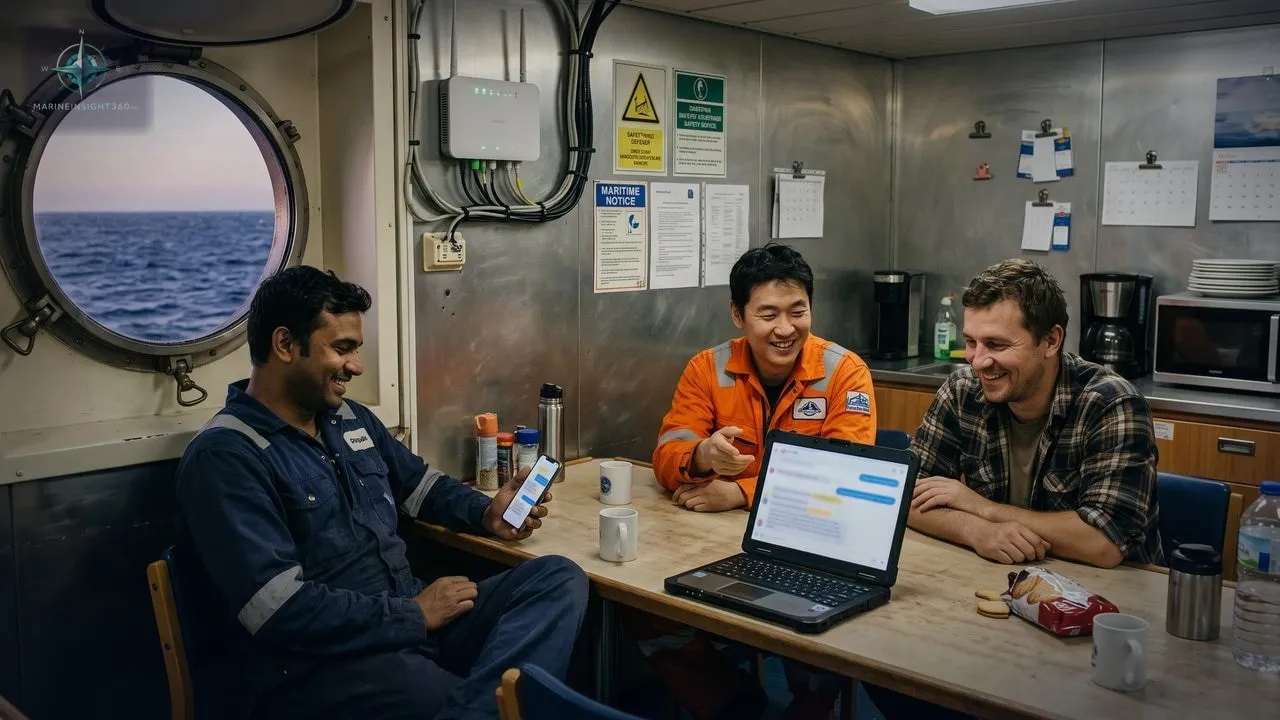
Today, there are many popular social networks available, but they are often general and not focused on a specific industry or field.

Insurance: What Seafarers Need to Know Before Purchasing
Insurance is a contract between an insurance company (or insurer) and an individual, where the company agrees to insure a specific risk for the individual in exchange for a small sum of money called a premium.
Why Seafarers Quit Their Seafaring Careers?
Every year, maritime academies around the world train thousands of new deck students and marine engineers.