
Seas Bordering Italy
Geographic overview of Italian maritime borders for maritime professionals and enthusiasts.
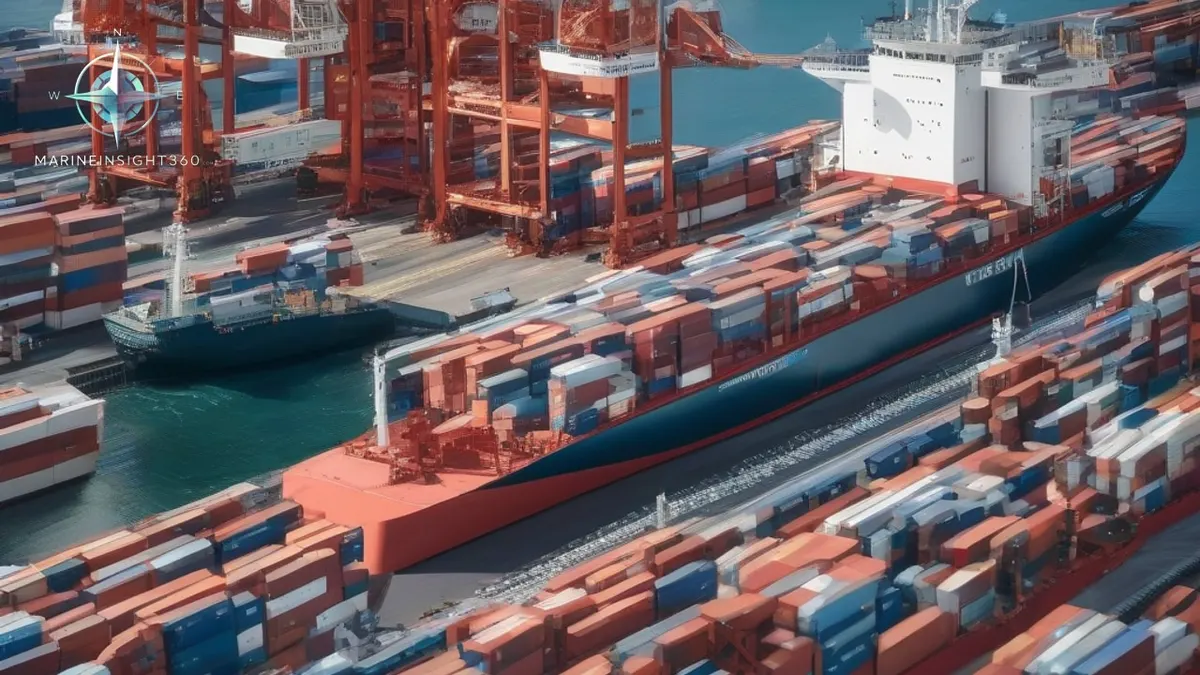
Seas Bordering Italy: Key Features for Safe Navigation
The seas bordering Italy—Adriatic, Ionian, Tyrrhenian, and Ligurian—present distinct draft limits, traffic controls, and weather patterns that ship operators, masters, and safety officers must navigate. Understanding these differences is essential for safe passage, efficient port calls, and regulatory compliance.
Adriatic Sea – Northeast Gateway and Draft Considerations
The Adriatic Sea lies along Italy’s northeast coast, touching Veneto, Friuli‑Venezia Giulia, Trentino‑Alto Adige, and northern Emilia‑Romagna. Major Italian ports—Trieste, Venice, and Ravenna—serve cargo flows from Central Europe.
Depth Profile and Draft Limits
The northern basin averages about 50 m (164 ft) depth, while the southern trench exceeds 1,200 m (3,937 ft). Vessels with deep drafts must verify local depth limits before entering the northern sector.
Traffic Management
Heavy traffic in the Gulf of Trieste and the Venice lagoon is governed by traffic separation schemes (TSS) issued by the Italian Hydrographic Institute. Compliance is mandatory to avoid collisions.
Weather Impact
The Bora wind can produce sudden gusts near the coast, demanding vigilant watch‑keeping and ready adjustments to helm orders.
Ionian Sea – Southeast Routes and Fishing Rules
The Ionian Sea runs along Calabria, Basilicata, Apulia, and the island of Sicily. Key ports include Taranto, Brindisi, and Messina.
Exclusive Economic Zone (EEZ)
Italy’s EEZ extends up to 200 nm (370 km) where not limited by neighbours, granting sovereign rights over fisheries and seabed resources.
Fishing Quotas
The Gulf of Taranto is a prolific fishing ground; operators must follow national quotas set by the Italian Ministry of Agricultural, Food and Forestry Policies.
Cross‑Border Routing
Median‑line agreements with Greece and Albania define the Strait of Otranto corridor. Vessels should consult the latest routing notices to respect median‑line limits.
Tyrrhenian Sea – Southwest Traffic Hub and Environmental Controls
The Tyrrhenian Sea borders Liguria, Tuscany, Lazio, Campania, Basilicata, Calabria, and the islands of Sicily and Sardinia. It hosts Italy’s busiest ports: Genoa, La Spezia, Civitavecchia, and Naples.
Vessel Density and AIS Monitoring
High traffic requires continuous AIS monitoring and adherence to the Mediterranean Sea Traffic Management System (MSTMS).
Protected Areas and Emission Controls
The Tuscan Archipelago National Park and other marine reserves impose speed limits and emission controls under the EU Marine Strategy Framework Directive.
Bathymetric Challenges
The Gulf of Naples and Gulf of Gaeta feature complex seabed relief and occasional volcanic activity (e.g., Stromboli). Up‑to‑date chart revisions are essential.
Ligurian Sea – Northwest Conduit to the Atlantic and Pilotage Rules
The Ligurian Sea lies off Italy’s northwest coast, covering Liguria and the Gulf of Genoa. It forms the entrance to the western Mediterranean and connects to the Atlantic via the Strait of Gibraltar.
Container Traffic and Pilotage
Genoa is Italy’s largest container terminal; berth allocation depends on real‑time tide and swell forecasts. Strong currents in the Gulf of Genoa affect maneuvering of large tankers. Pilots are mandatory for vessels over 5,000 gt (gross tonnage).
Weather Systems
Atlantic‑origin squalls can develop rapidly. Crews should obtain the latest forecast from the Italian Meteorological Service (Servizio Meteorologico) before departure.
Legal Framework, EEZ Size and Operational Impact
Why this matters Seas Bordering Italy matters because maritime decisions rarely sit in one department. A route story may affect insurance, crew planning and cargo timing. A machinery topic may affect maintenance, safety permits and spare-part planning. A career question may affect training, documents and joining readiness.
For readers in the United States, United Kingdom, Europe, Canada, Australia, Singapore and other mature maritime markets, the useful angle is practical: what changes, what remains uncertain, and which checks should happen before a decision is made.
Operational context
In daily maritime work, seas bordering italy should be compared with vessel type, flag requirements, company procedures, port expectations, cargo risk and crew competence. The same topic can look different on a container ship, bulk carrier, tanker, offshore vessel, training ship or shore-side logistics desk.
That is why this article avoids treating the subject as a standalone headline. It connects the issue with the checks that ship operators, masters, safety officers and compliance teams can use when reading a report, preparing for a voyage, reviewing a procedure or planning a career step.
Checks for readers
- Identify whether the topic affects safety, compliance, maintenance, navigation, cargo, careers or commercial planning.
- Confirm the latest company procedure, official notice, training requirement or port instruction before acting.
- Separate background context from instructions that require a qualified officer, engineer, surveyor or shore-side approval.
- Use related Marine Insight 360 pages to build a stronger topic cluster instead of reading one article in isolation.
For related compliance and onboard procedure topics, continue with the shipboard operations knowledge base.
Next steps
For related compliance and onboard procedure topics, continue with the shipboard operations knowledge base. Use the linked hub to compare the topic with related guidance before making operational, training or commercial decisions.
Recommended Reading
Things To Do At Enchantment Of The Seas
Things To Do At Enchantment Of The Seas: technology, equipment and fleet context for US, UK, Canada, Australia, Singapore and European maritime readers.
Why Nautical Miles and Knots Rule the Seas
Why Nautical Miles and Knots Rule the Seas: technology, equipment and fleet context for US, UK, Canada, Australia, Singapore and European maritime readers.
Navigating the Seas: A Comprehensive Guide to the Apprentice/Cadet Officer Role
Navigating the Seas: A Comprehensive Guide to the Apprentice/Cadet Officer Role: career, certification and hiring context for US, UK, Canada,...