
Shipboard Fuel, Diesel, & Lubricant Oil Storage Tanks
Shipboard Fuel, Diesel, & Lubricant Oil Storage Tanks: ports, trade and shipping-market context for US, UK, Canada, Australia, Singapore and...
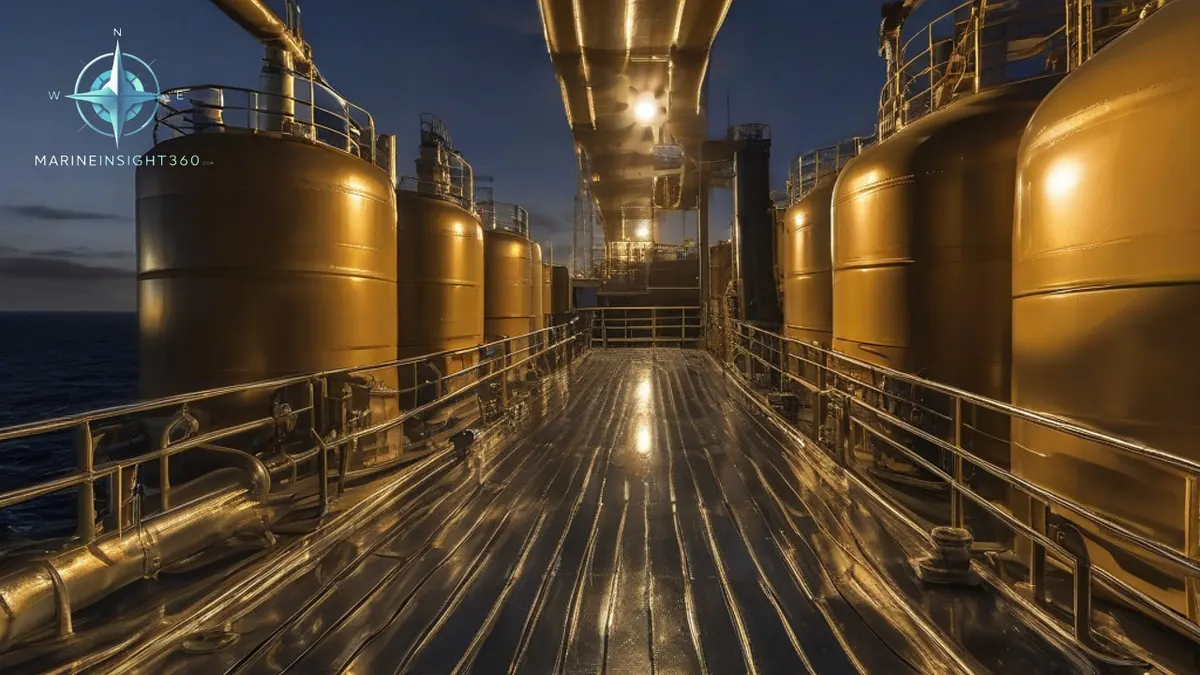
A Complete List of Shipboard Fuel, Diesel, and Lubricant Oil Storage Tanks
A ship is a large floating storage structure primarily used to store and transport liquid or dry cargo from port to port. Ships require large quantities of oil (either fuel oil or lubricants) as well as water to efficiently operate their propulsion and other auxiliary systems.
To store different types of oil and water, ships are designed and constructed with multiple tanks. These tanks are used to store fuel oil, lubricants, hydraulic oil, potable water, fresh water, ballast water, and more.
The size, number, type, and location of the tanks depend on the following factors:
- Ship size and type
- Propulsion system, auxiliary engine type, and other machinery layout
- Service area
Tanks are distributed throughout the ship, from bow to stern and from port to starboard. Common types of fuel tanks on board are as follows:
Fuel and Diesel Tanks:
These are the largest tanks on board, used to store large quantities of fuel and diesel after refueling. Fuel tanks are typically located outside the engine room and are typically wing-type or double-bottom tanks. Low sulfur crude oil and marine diesel are stored in separate tanks to prevent the fuels from mixing. Sloped Fuel Tanks
Shipowners typically have two or more overflow tanks located within the engine room bulkhead. Oil is transferred from the fuel oil tanks to the overflow tanks. The overflow tanks may be double-bottom tanks within the engine room. Overflow tanks for low-sulfur crude oil and marine diesel oil are stored separately from other fuels.
Service Tanks
A ship's service tanks are used to store and supply treated oil to the main engine, auxiliary engines, and boilers. There may be one or more service tanks. Fuel oil and diesel service tanks are typically located within the engine room bulkhead. To avoid confusion, we have designated low-sufficiency fuel oil (LSF) and marine gas oil (MGO) tanks.
Overflow Tanks
Both the fuel oil and diesel oil systems in the engine room are equipped with overflow tanks to collect excess oil from the fuel tanks. Return and leakage lines may also be connected to the overflow tanks. High-sulfur and low-sulfur systems typically share a single overflow tank.
Emergency Generator Diesel Tank:
The emergency generator fuel is supplied by a separate diesel tank, with a capacity that meets the requirements of the International Convention for the Safety of Life at Sea (SOLAS). This tank is located in the emergency generator compartment outside the engine room.
Lubricating Oil Tanks
It's almost impossible to imagine machinery operating without lubricating oil. Therefore, various types of lubricating oil are stored on board ships. These lubricating oil tanks include:
Engine Engine Sump Tank (MEC)
Engine engine sump oil is stored in one or more tanks, while low-sulfur system oil is stored in a separate tank. The lubrication system has no sludge or other service tanks; the lubricating oil is drawn directly from the main oil tank.
Master Cylinder Oil Tank
Master cylinder oil is used inside the combustion chamber, between the piston and liner, and is stored in the cylinder oil tanks. Bulk oil is stored directly in these tanks. Low-sulfur oil is stored in a separate tank.
Master Cylinder Service Tank
The service tank is located in the engine room, and oil is transferred from the storage tank to the service tank. The capacity of the daily oil tank is adjusted based on the daily oil consumption of the main engine cylinders.
Main Engine Turbocharger Oil Tank
If the main engine is equipped with a forced-lubricated turbocharger system, a turbocharger lubricating oil storage tank is provided.
Main Engine Turbocharger Daily Lubricating Oil Tank
A daily lubricating oil tank is located in the engine room. Lubricating oil is transferred from the storage tank based on the daily consumption of the turbocharger system.
Auxiliary Engine Lubricating Oil Tank
Auxiliary engines are four-stroke engines that do not use separate cylinder lubrication oil. Therefore, the auxiliary engine's main lubricating oil is stored only in the oil storage tank. One or more oil storage tanks can be added depending on the vessel's needs.
Recommended Reading
Ballast Tanks: How Ships Use Seawater to Stay Upright and Efficient
What ballast tanks do: seawater weight that keeps an empty ship stable, trimmed and its propeller submerged, plus the treatment rules that now govern them.
Sounding on Ships: How Crews Measure Tanks and the Sea Floor
Sounding means measuring depth: of liquid in a ship's tanks with a tape, or of water under the keel with an echo sounder. How both work and why they matter.

Shipping Faces Fuel Transition Hurdles Amid IMO Delay and Fragmented Rules
Learn how the IMO’s one‑year delay and fragmented emissions rules affect shipping fuel transition, compliance options, and crew operations.