
What is a Ship Security Assessment (SSA)?
A Ship Security Plan is mandatory for every ship under the ISPS Code, but the plan is not the first document you write. A ship security assessment (SSA) normally comes before the SSP.

A Ship Security Plan is mandatory for every ship under the ISPS Code, but the plan is not the first document you write. A ship security assessment (SSA) normally comes before the SSP. The Chief Security Officer (CSO) does not have to carry it out personally; the CSO's duty is to make sure whoever does has the skills for it.
Behind both documents sits the Security Code in full, the International Ship and Port Facilities Security Code, which puts the obligation on shipping companies to take measures protecting their crew, their vessels and the environment. None of that runs on trust. To confirm a vessel actually complies with the protective measures her SSP specifies, the competent authority carries out a vessel safety assessment of its own.
What the assessment is hunting for
An SSA is a structured examination that identifies vulnerabilities and works out countermeasures against the security threats a ship meets on passage: piracy, terrorism, stowaways, smuggling. The International Maritime Organization (IMO) built the requirement into the ISPS Code in reaction to growing concern about maritime security threats, so the assessment protects vessels, their crews and their cargo as a matter of obligation rather than good practice.
The on-site survey is the part that happens on deck
An SSA includes an on-site security inspection, and five things come out of it.
Which operations cannot be allowed to fail
Critical processes get evaluated as the onboard operations needing special attention: cargo handling, navigation, machinery handling. Spaces are taken into account alongside them: warehouses, bridges, mechanical rooms, steering control systems.
Write down what the ship already has before proposing anything new
Existing security measures and procedures are identified first. That covers emergency response, security patrols, security communication systems, and how surveillance equipment is handled, down to door barriers and lighting.
Gaps turn into a list of objectives, not a list of complaints
Vulnerabilities in policies, procedures and infrastructure are identified on the back of everything else the survey has found, and what comes out is a detailed list of objectives: new safety measures to be implemented, corrective strategies, and the rest.
Human factors that may pose a threat to vessel safety
Safeguards and procedures on board are assessed for potential vulnerabilities and for how far human factors bear on vessel safety. Determining those factors means looking at whether restricted areas are monitored so only authorized persons get in, whether security tasks are actually completed, and how cargo is monitored and handled.
Threat scenarios belong to this ship, not to ships in general
Potential threats and their probability of occurrence come last. The company has identified various threat scenarios for ships under specific circumstances, and those scenarios are weighed against the vessel in front of you, her type, her crew and the cargo she carries.
The five steps of an assessment
Threat identification comes first, and it is specific to the ship, her route and the regions she navigates. Vulnerability assessment follows: once threats are identified, the ship's vulnerabilities to them are assessed, which includes analysing physical security features, access control measures and crew training protocols.
Risk analysis is where those two meet. Working out how likely each identified threat is, and what it would do if it happened, lets ship operators prioritise their security concerns and distribute resources effectively. Countermeasures are then tailored to the vulnerabilities the analysis identified. They may include deploying security personnel, installing surveillance systems and implementing access-control procedures.
Implementation and monitoring close the loop: the countermeasures are put in place and their effectiveness is monitored continuously. Regular reviews and upgrades to the SSA are what let it adapt to evolving security threats; ongoing regulatory compliance rests on that maintenance as much as on the original survey.
What the assessment actually buys
Risk mitigation is the first return. An SSA lets ship operators recognise and analyse potential security threats, from piracy attacks through to unauthorized access, and put effective preventive measures in place. Regulatory compliance is the second: ISPS Code requirements are obligatory for every vessel engaged on international voyages, and the SSA ensures adherence to them, which in turn raises worldwide maritime security standards.
Crew and cargo come next. Assessing security vulnerabilities helps protect the lives of crew members and keeps cargo moving securely, with less risk of loss or damage. Business continuity is another: effective security measures reduce the likelihood of security-related disruptions, which can result in financial losses and reputational damage.
How the SSA supports secure maritime operations
The SSA builds a culture of security awareness among crew members, enabling them to recognise and react effectively to security threats. Stakeholder confidence is another result: by demonstrating a commitment to security through SSA compliance, ship operators instil confidence in stakeholders, including passengers, cargo owners and regulatory authorities.
Wider still, the assessment gives ship operators, port authorities and international organisations common ground for sharing intelligence and best practice, fostering a collective approach to maritime security. Through the SSA, ships are also better prepared to handle security incidents and crises, ensuring prompt and effective responses that limit potential harm.
Conclusion
The SSA is a crucial part of maritime security management, giving ships a systematic framework for identifying, assessing and mitigating the security threats they face. By following SSA requirements and putting effective security measures in place, ship operators can protect their vessels, crews and cargo, contributing to safe and secure maritime operations worldwide.
Recommended Reading
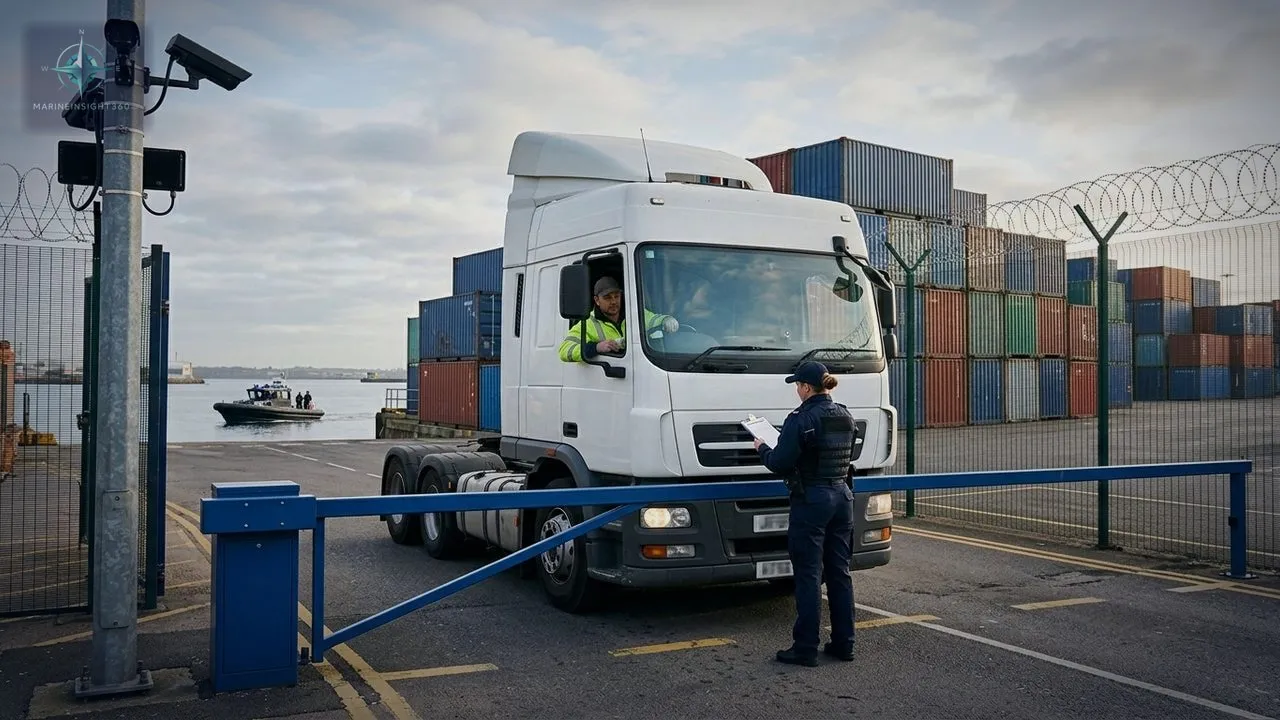
The Importance of Port Security
Introduction: Why Port Security Can No Longer Be an Afterthought Every single day, more than 90% of the world's traded goods pass through ports. These...
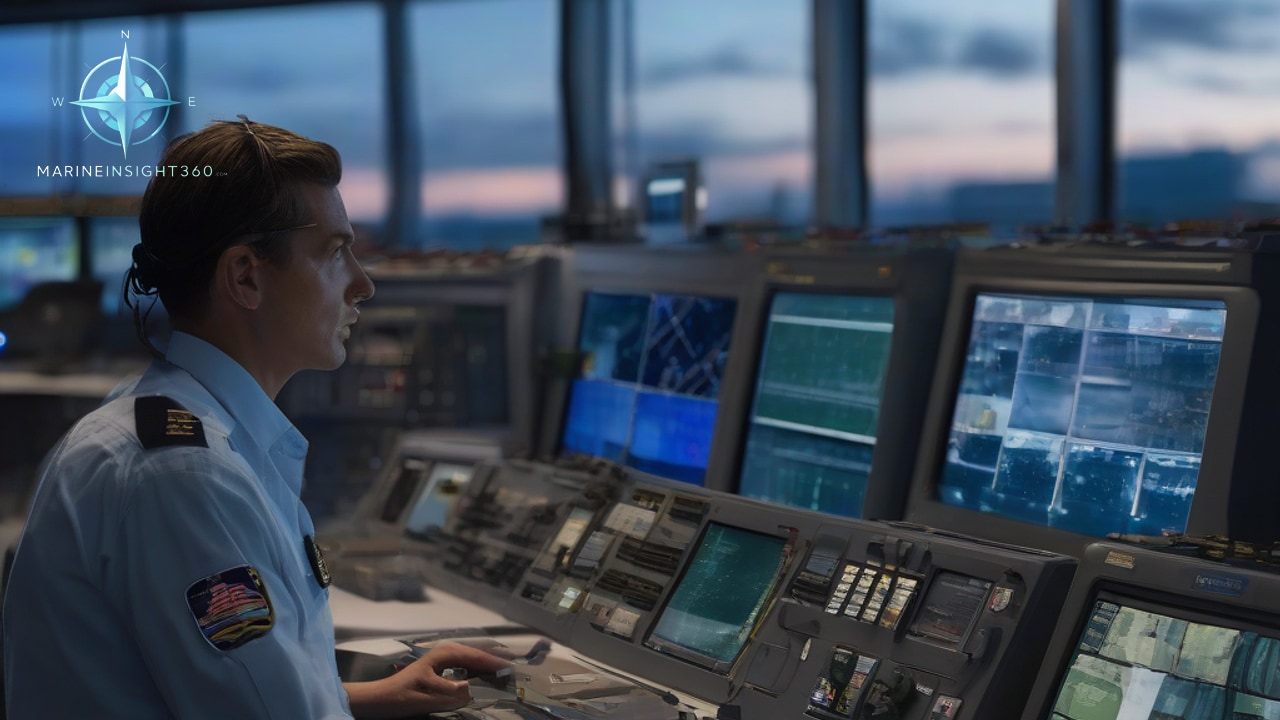
Commercial Port Security Management
Defensive ports are among the most secure locations in any nation. Indeed, they house naval vessels, defensive weapons, offices, and personnel.

What is Formal Safety Assessment?
One way to ensure that necessary measures are taken before a disaster occurs is to use the Formal Safety Assessment (FSA) process.