
Ukraine Continues Attacks on Russia’s Black Sea Patrol Boats
Explore how Ukraine’s ongoing strikes on Russian patrol boats in the Black Sea affect shipping, security measures, and operational planning for global maritime
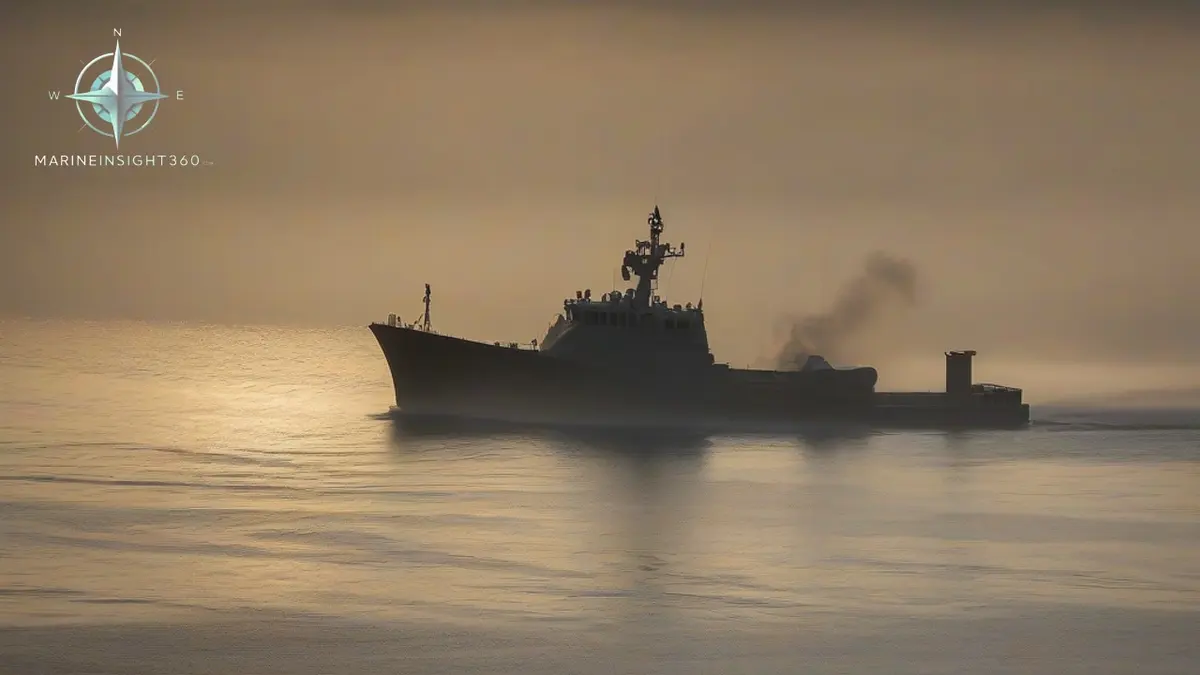
Ukraine Continues Attacks on Russia’s Black Sea Patrol Boats: Implications for Shipping and Port Operators
Ukraine's ongoing offensive against Russian patrol vessels in the Black Sea is a direct response to Russian naval activity that threatens maritime commerce in the region. The strategy focuses on asymmetric tactics that leverage speed, surprise, and precision strikes to limit Russia's ability to patrol shipping lanes and enforce blockades.
The Black Sea: A Critical Shipping Corridor
The Black Sea connects the Mediterranean via the Bosporus and Dardanelles, making it a vital route for oil, gas, and bulk cargoes. Shipping companies rely on predictable transit times and secure waters. Any disruption can ripple through global supply chains, raising insurance premiums and port congestion.
Patrol Boats: Roles and Typical Capabilities
Patrol boats are small, fast vessels designed for coastal surveillance, interdiction, and quick response. They usually carry light armament such as machine guns, anti-aircraft guns, or short-range missile launchers. Their shallow draft allows them to operate close to shore, making them ideal for enforcing maritime boundaries.
Tactics Employed by Ukraine in Recent Attacks
Ukraine's approach relies on small, highly maneuverable craft that can approach patrol boats at low radar signatures. Once in range, they deploy anti-ship missiles or rocket pods to disable or destroy the target. The emphasis is on speed, surprise, and precision, minimizing the risk to Ukrainian forces while maximizing damage to Russian assets.
Operational Implications for Shipping and Port Operators
Commercial vessels transiting the Black Sea must now factor in the increased risk of encountering hostile naval activity. Shipping lines may need to adjust routes, increase security measures, or engage in dialogue with port authorities to ensure safe passage. Port operators in the region should monitor intelligence reports on naval movements and coordinate with maritime security agencies.
Mitigation Measures and Best Practices
Route Planning: Use up-to-date maritime security advisories to avoid high-risk zones. Consider alternative passages if feasible.
Security Protocols: Implement crew training on emergency response to hostile incidents. Maintain clear communication channels with maritime authorities.
Surveillance: Deploy AIS monitoring and radar systems to detect unusual vessel activity. Share data with regional maritime security networks.
Insurance Review: Engage with insurers to understand coverage limits and potential premium adjustments in conflict zones.
Collaboration: Work with port operators and local maritime agencies to coordinate security measures and share threat intelligence.
Next Steps for Seafarers and Shipping Professionals
Seafarers should stay informed through reliable maritime news outlets and official advisories. Cadets and trainees can use this situation as a case study on asymmetric naval warfare and its impact on commercial shipping. Shipping professionals should consult the Marine Insight 360 Marine Machinery and Shipboard Operations sections for guidance on vessel hardening and crew preparedness.
Verify the Facts:
- Ukraine's ongoing offensive against Russian patrol vessels in the Black Sea.
- The emphasis on asymmetric tactics that leverage speed, surprise, and precision strikes.
- The impact of Russian naval activity on maritime commerce in the region.
Why this matters
Black Sea Patrol Boats matters because maritime decisions rarely sit in one department. A route story may affect insurance, crew planning and cargo timing. A machinery topic may affect maintenance, safety permits and spare-part planning. A career question may affect training, documents and joining readiness.
For readers in the United States, United Kingdom, Europe, Canada, Australia, Singapore and other mature maritime markets, the useful angle is practical: what changes, what remains uncertain, and which checks should happen before a decision is made.
Operational context
In daily maritime work, black sea patrol boats should be compared with vessel type, flag requirements, company procedures, port expectations, cargo risk and crew competence. The same topic can look different on a container ship, bulk carrier, tanker, offshore vessel, training ship or shore-side logistics desk.
That is why this article avoids treating the subject as a standalone headline. It connects the issue with the checks that ship operators, insurers, charterers and route planners can use when reading a report, preparing for a voyage, reviewing a procedure or planning a career step.
Checks for readers
- Identify whether the topic affects safety, compliance, maintenance, navigation, cargo, careers or commercial planning.
- Confirm the latest company procedure, official notice, training requirement or port instruction before acting.
- Separate background context from instructions that require a qualified officer, engineer, surveyor or shore-side approval.
- Use related Marine Insight 360 pages to build a stronger topic cluster instead of reading one article in isolation.
For connected route-risk and trade coverage, continue with the maritime markets hub.
Recommended Reading
Typhoon Class Submarine: The Biggest Boats Ever Sent Under the Sea
The Soviet Typhoon class submarine remains the largest ever built: twin pressure hulls, 20 missile silos, and why nothing since has matched its size.
When Were Boats Invented? A Timeline From the First Dugout to the First Sail
The oldest boat ever found is about 10,000 years old, and humans were crossing open water long before that. The real timeline of when boats were invented.
Russia to Provide Arctic Navigation Training to Chinese Seafarers
Russia will provide Arctic navigation training to Chinese seafarers, offering crews essential skills for safe polar operations. Learn why this matters for globa