
Understanding Flotsam
Clear definition of flotsam, legal ownership rules, differences from jetsam, lagan and derelict, plus real‑world MSC Zoe example and crew guidance.
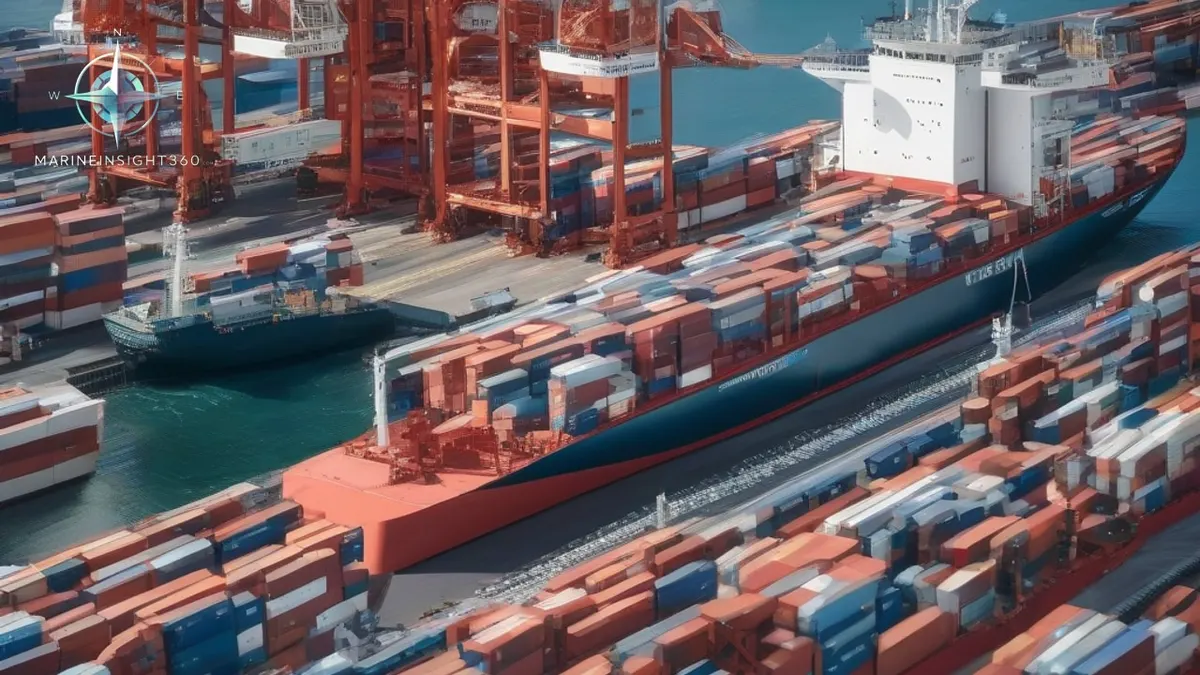
Understanding flotsam begins with a simple picture: when a ship sinks or loses cargo, the floating wreckage or debris left behind is what the law calls flotsam. The word carries a precise legal meaning, and it is distinct from related terms such as jetsam, lagan, and derelict.
For seafarers, cadets, and shipping professionals, telling them apart matters — it shapes who may claim recovered goods and what a crew should do when it comes across them at sea or along the shore.
What is flotsam?
Flotsam is the floating wreckage of a ship or its cargo — debris that ends up on the water after a vessel is lost or damaged, and that may later drift ashore on the tide. The American Heritage Dictionary defines it as the wreckage or debris of a ship or its cargo that floats on the water.
The defining feature is that the goods reached the water by accident, not by a deliberate act, and that distinction is what separates flotsam from the terms below.
How ownership of flotsam is determined
The original owner of the ship or cargo can usually reclaim flotsam, because an accidental loss does not extinguish ownership. A finder who recovers it may still need to follow set procedures to protect any claim to a salvage award.
In the United Kingdom, for example, recovered wreck is reported to the Receiver of Wreck; the practical point everywhere is the same — report the find to the relevant authority and preserve both the goods and the record of where they were found, rather than simply keeping them.
Flotsam vs jetsam, lagan and derelict
Maritime law draws clear distinctions between four terms that are often confused:
- Flotsam — debris that floats after a vessel is lost, reaching the water by accident.
- Jetsam — cargo deliberately cast overboard to lighten or steady a ship in distress.
- Lagan — goods that have sunk but are marked with a buoy or line so they can be recovered later.
- Derelict — vessels or cargo abandoned at sea with no intention of returning to them.
A real-world illustration: the MSC Zoe container loss
In January 2019, the container ship MSC Zoe lost hundreds of containers in heavy weather in the North Sea, scattering goods that washed up along the Dutch and German coasts. Because the loss was accidental and the goods floated ashore, the recovered items fell under the definition of flotsam — a reminder that the category is not a historical curiosity but a live issue for modern container ships and the coastal states that have to deal with the debris.
Handling flotsam on board
When a crew encounters flotsam, safety comes first: floating containers and heavy debris are a collision and stability hazard, and recovering them can put people at risk. Operators then weigh the value of any cargo against the cost and danger of diverting to retrieve it. Any recovery should follow the company's procedures and the reporting rules of the relevant coastal authority, because informal salvage can create legal exposure instead of a reward.
Common mistakes to avoid
The most frequent error is treating recovered goods as "finders keepers." Flotsam almost always still has an owner, and failing to report a find or to follow the proper wreck-recovery process can turn a good-faith recovery into a legal dispute. Crews and shore teams protect themselves by documenting what was found and where, and by routing the matter through the correct authority before disposing of anything they recover.
Next steps
Flotsam is one of a small family of wreck-and-salvage terms every seafarer should be able to tell apart at a glance. For related legal, insurance and compliance explainers, continue with the maritime guides hub.
Recommended Reading
What is Flotsam and Jetsam in Shipping?
What is Flotsam and Jetsam in Shipping?: regulatory and compliance context for US, UK, Canada, Australia, Singapore and European maritime readers.
Ocean Treasures: Navigating the World of Flotsam and Jetsam in Shipping
Ocean Treasures: Navigating the World of Flotsam and Jetsam in Shipping: ports, trade and shipping-market context for US, UK, Canada, Australia,...

Maritime Engineer Role Overview
Discover the core duties, education, salary and job outlook for maritime engineers, plus specialisations and certification tips for seafarers and cadets.