
Maritime Engineer Role Overview
Discover the core duties, education, salary and job outlook for maritime engineers, plus specialisations and certification tips for seafarers and cadets.

Maritime Engineer Role Overview is the focus of this article because it connects marine engineers, engine ratings and technical managers with the wider question behind Maritime Engineer Role Overview.
What Does a Maritime Engineer Do?
Maritime engineers design, evaluate, and test ship‑board systems to ensure vessels operate safely, efficiently, and within regulatory limits. They work on propulsion, power generation, HVAC, fire‑suppression, and navigation equipment, translating technical specifications into reliable, compliant solutions.
In practice, a maritime engineer’s day can involve drafting system schematics, running performance simulations, inspecting installed equipment, and troubleshooting failures. Their work directly affects crew safety, fuel economy, and compliance with international conventions such as the International Maritime Organization (IMO) regulations.
Core Responsibilities and System Types
Design and Integration
Maritime engineers create detailed drawings and specifications for ship systems. They must balance performance, weight, and cost while meeting design standards set by classification societies and flag states.
Evaluation and Testing
Before a system is installed, engineers conduct bench tests, sea trials, and simulations. They verify that equipment meets endurance, reliability, and safety criteria under expected operating conditions.
Maintenance and Upgrades
During a vessel’s service life, engineers assess aging equipment, recommend retrofits, and oversee installation of new technologies to improve efficiency or comply with updated regulations.
Path to the Profession – Education and Credentials
While the source does not list specific educational requirements, maritime engineers typically hold a bachelor’s degree in marine engineering, mechanical engineering, electrical engineering, or a related discipline. Many also pursue graduate studies or specialized maritime courses to deepen knowledge of ship design and marine systems.
Professional development often includes industry certifications and licensing. The source mentions two credentials that may be relevant:
- Merchant Mariner Credential with engineer endorsements – a U.S. certification that validates a seafarer’s qualifications to operate engineering equipment on board.
- Professional Engineer (PE) license – a civil engineering license that, when combined with maritime experience, can enhance credibility and open doors to senior roles.
Maritime engineers may also obtain certifications from classification societies (e.g., ABS, DNV GL) or technical training from maritime academies, though these are not specified in the source.
Compensation and Career Outlook
The source does not provide specific salary figures or employment projections. For up‑to‑date compensation data, consult the U.S. Bureau of Labor Statistics (BLS) entry “Marine Engineers and Naval Architects” (code 17‑2121.00) and equivalent national statistics in the U.K., Canada, Australia, Singapore, and Europe.
Job outlook for maritime engineers depends on global shipping demand, vessel construction rates, and the pace of technological change. Emerging areas such as green propulsion, digital twins, and autonomous vessels are shaping future opportunities.
Industries and Employment Landscape
Maritime engineers are employed across a range of maritime sectors, including:
- Shipbuilding and repair yards – designing new vessels and retrofitting existing ones.
- Shipping companies – maintaining and upgrading fleet systems.
- Port authorities and terminal operators – ensuring compatibility of vessel systems with port infrastructure.
- Regulatory bodies and classification societies – developing standards and inspecting compliance.
- Marine technology firms – developing new propulsion, energy, and safety solutions.
While the source does not quantify employment percentages, these sectors represent the primary employers of maritime engineers worldwide.
Certifications That Add Value
Beyond the Merchant Mariner Credential and PE license, maritime engineers may pursue additional credentials to demonstrate expertise:
- Class society certifications (e.g., ABS, DNV GL, Lloyd’s Register) for specific system types.
- Specialized training in marine diesel engines, HVAC, or electrical distribution.
- Safety and environmental certifications such as ISO 14001 or ISO 45001.
These qualifications can improve job prospects, enable higher responsibility roles, and sometimes influence compensation.
Common Mistakes and Decision Criteria
When choosing a maritime engineering career path, avoid the following pitfalls:
- Assuming a single degree is sufficient – many employers look for a blend of academic credentials and hands‑on maritime experience.
- Neglecting certification – lacking a Merchant Mariner Credential can limit opportunities to work aboard vessels.
- Underestimating regulatory complexity – international conventions and flag‑state requirements vary; staying current is essential.
- Ignoring emerging technologies – staying abreast of green propulsion, digital monitoring, and automation can future‑proof a career.
Decision criteria should weigh personal interest in specific systems, willingness to travel, and long‑term career goals such as design, operations, or management.
Next Steps and Resources
For seafarers, cadets, and shipping professionals looking to deepen their understanding of maritime engineering, the following resources are useful:
- Marine Insight 360 Knowledge Base – searchable articles on ship systems and engineering principles.
- Marine Insight 360 Marine Machinery section – detailed guides on propulsion, power, and HVAC.
- Marine Insight 360 Careers section – career pathways, education advice, and interview tips for maritime engineers.
- Bureau of Labor Statistics (BLS) Marine Engineers and Naval Architects page – U.S. salary data and employment projections.
- Classification society technical manuals – for standards and certification requirements.
Engage with professional societies For related equipment checks and troubleshooting guides, continue with the marine machinery knowledge base.
Recommended Reading
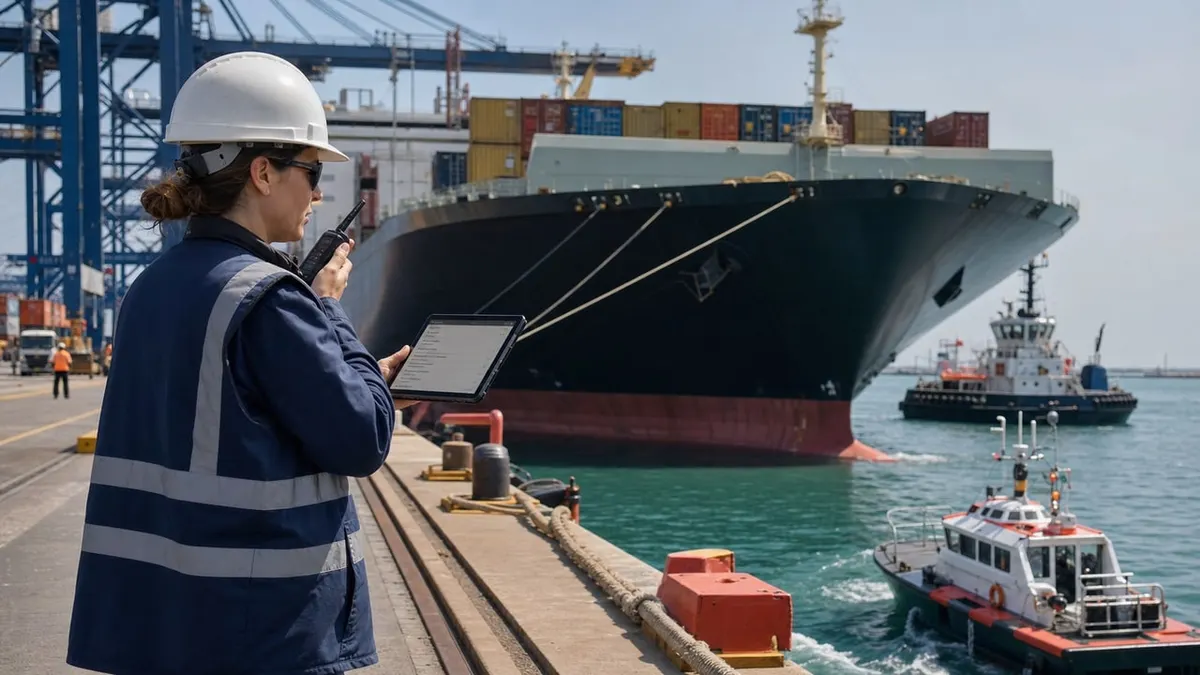
Shipping Agent Role: Port Call Duties Explained
Learn how a shipping agent coordinates vessel clearance, port services, documents and communications before, during and after a port call.

Duties of a Marine Engineer in the Merchant Navy
Duties of a Marine Engineer in the Merchant Navy: technology, equipment and fleet context for US, UK, Canada, Australia, Singapore and European...
The Role of Hydrodynamics in Modern Ship Design
Imagine standing on the deck of a massive container ship as it slices through the ocean, moving thousands of tons of cargo with surprising grace and…