
U.S. Navy Destroyer USS Mason Joins Mediterranean Sea Operation After 7 Months in Red Sea
The USS Mason (DDG 87), the US Navy’s Arleigh Burke-class guided-missile destroyer. This is one of the leading ships of the American Navy. The ship has…
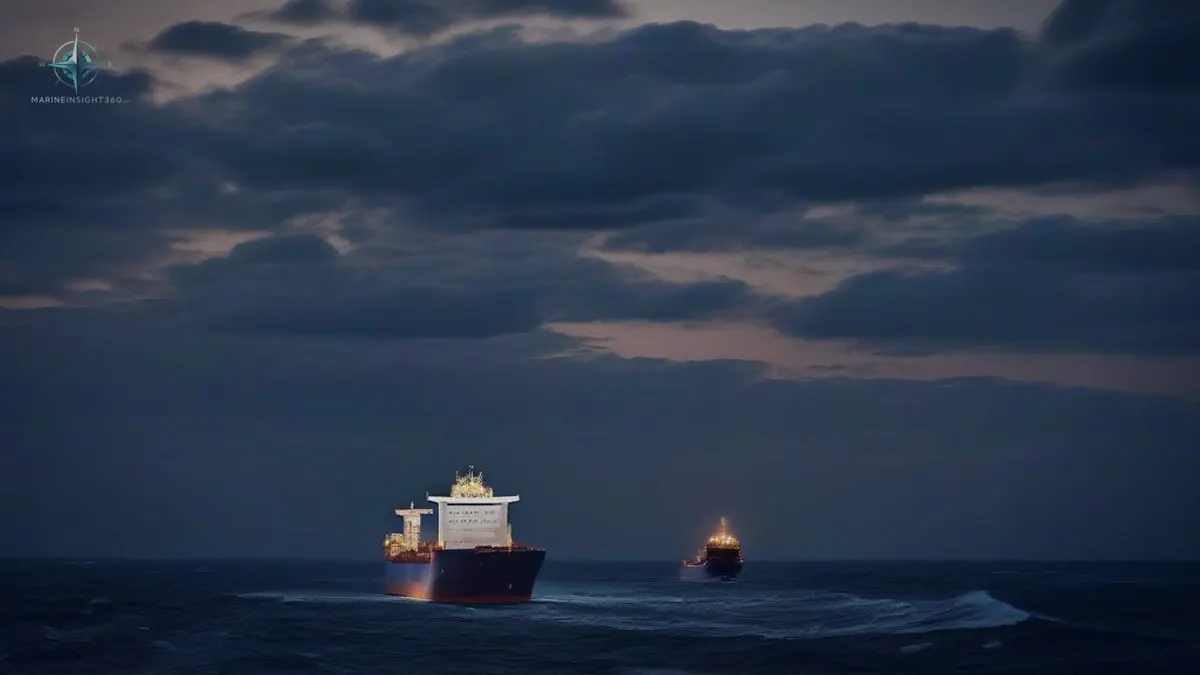
The US Navy destroyer USS Mason (DDG 87) entered the Mediterranean through the Suez Canal on 7 June 2024. That ended a seven-month Red Sea deployment in which the Arleigh Burke-class ship defeated several Houthi attempts to attack merchant shipping.
Introduction to the USS Mason and its Deployment
The USS Mason (DDG 87), the US Navy’s Arleigh Burke-class guided-missile destroyer, is one of the leading ships of the American Navy. The ship has completed its seven-month deployment in the Red Sea, a critical maritime region that connects Europe, Asia, and Africa. During its time in the Red Sea, the USS Mason faced off against the Houthis and defeated several Houthi attempts to attack shipping, ensuring the safety and security of maritime traffic in the region.
The vessel's operations were guided by the principles of the International Maritime Organization (IMO) and the United Nations Convention on the Law of the Sea (UNCLOS), which emphasize the importance of freedom of navigation and the protection of international shipping. On June 7, 2024, the vessel, part of the Dwight D. Eisenhower Carrier Strike Group (IKECSG), traveled through the Suez Canal and entered the Mediterranean Sea.
This region is generally considered to be more stable and peaceful compared to the Red Sea, with fewer security threats to maritime traffic.
In fact, despite the ongoing conflict in Gaza, there is little expectation that the USS Mason will encounter significant security challenges in the Mediterranean. Experts are confident that this will not have any impact on any conflict in the Palestine-Israel conflict or the situation which is evolving in Lebanon. The USS Mason's deployment to the Mediterranean is a regular ship movement that happens frequently. It is expected to continue its mission of maintaining regional security and stability.
The USS Mason's Commanding officer, Commander Justin B. Smith, commended the crew for their remarkable determination and operational expertise during their tenure in the Red Sea. Smith added that he is incredibly proud of all the crew's accomplishments over the past seven months in the Red Sea. The crew's training and preparation were guided by the Standards of Training, Certification. Watchkeeping (STCW) Convention, which sets international standards for the training and certification of seafarers.
The USS Mason's operations were also guided by the International Safety Management (ISM) Code, which emphasizes the importance of safety management and risk assessment in maritime operations.
Maritime Security and Stability in the Mediterranean
As the USS Mason commences its operations in the Mediterranean, its mission continues to highlight the commitment of the US naval forces to protecting vital maritime interests. The Mediterranean is a critical maritime region, with significant trade volumes and energy shipments passing through the region. The USS Mason's presence in the region will help to deter any potential security threats and ensure the safety and security of maritime traffic. The vessel's operations will be guided by the principles of the Maritime Pollution (MARPOL) Convention, which aims to prevent pollution of the marine environment by ships.
The USS Mason, as part of the wider IKECSG, helped to strengthen strategic ties with allies and partners, as well as promote maritime security and stability. The vessel's operations in the Red Sea were guided by the principles of the Safety of Life at Sea (SOLAS) Convention, which sets international standards for the safety of ships and the protection of life at sea. The USS Mason's crew worked closely with regional partners to build capacity and enhance maritime security, and the vessel's presence in the Mediterranean will continue to support these efforts.
The USS Mason's deployment to the Mediterranean is also an opportunity for the crew to engage in training and exercises with regional partners. The vessel will participate in exercises and operations designed to enhance maritime security and stability, such as search and rescue operations, maritime interdiction operations. Maritime patrol operations. These exercises will help to build capacity and enhance cooperation between the US Navy and regional partners. Will contribute to the overall security and stability of the region.
Conclusion and Future Operations
overall, the USS Mason's deployment to the Mediterranean is a significant development in the region. Highlights the commitment of the US naval forces to protecting vital maritime interests. The vessel's operations in the Red Sea were highly successful. The crew's determination and operational expertise were instrumental in ensuring the safety and security of maritime traffic in the region.
As the USS Mason commences its operations in the Mediterranean, it will continue to play a critical role in promoting maritime security and stability. Will work closely with regional partners to build capacity and enhance cooperation.
The USS Mason's future operations in the Mediterranean will be guided by the principles of the US Navy's maritime strategy, which emphasizes the importance of maritime security, stability, and cooperation. The vessel will continue to work closely with regional partners to build capacity and enhance maritime security. Will participate in exercises and operations designed to enhance maritime security and stability. The USS Mason's deployment to the Mediterranean is a significant development in the region.
Highlights the commitment of the US naval forces to protecting vital maritime interests and promoting maritime security and stability.
The success of the USS Mason's deployment to the Mediterranean will depend on the crew's ability to work effectively with regional partners. To adapt to the changing security environment in the region. The vessel's operations will be guided by the principles of the US Navy's operational doctrine, which emphasizes the importance of flexibility, adaptability, and cooperation. The USS Mason's crew will continue to receive training and support from the US Navy.
Will have access to the latest technology and equipment to support their operations.
With its highly trained crew and advanced capabilities, the USS Mason is well-equipped to meet the challenges of operating in the Mediterranean. To contribute to the overall security and stability of the region.
Recommended Reading
Average Merchant Navy Salary in US & UK
The Merchant Navy offers a thrilling career, blending high seas adventure with competitive salaries and global travel. Whether you’re eyeing a role as a…
Average Merchant Navy Salary in the UK & USA
A UK Merchant Navy salary is determined based on rank position, experience level, ship type, and employment status between private shipping companies and…
Navy or Marines: What's different?
Navy or Marines: What's different?: career, certification and hiring context for US, UK, Canada, Australia, Singapore and European maritime readers.