
What Are the Main Risks in Charterparties?
What Are the Main Risks in Charterparties?: ports, trade and shipping-market context for US, UK, Canada, Australia, Singapore and European maritime...
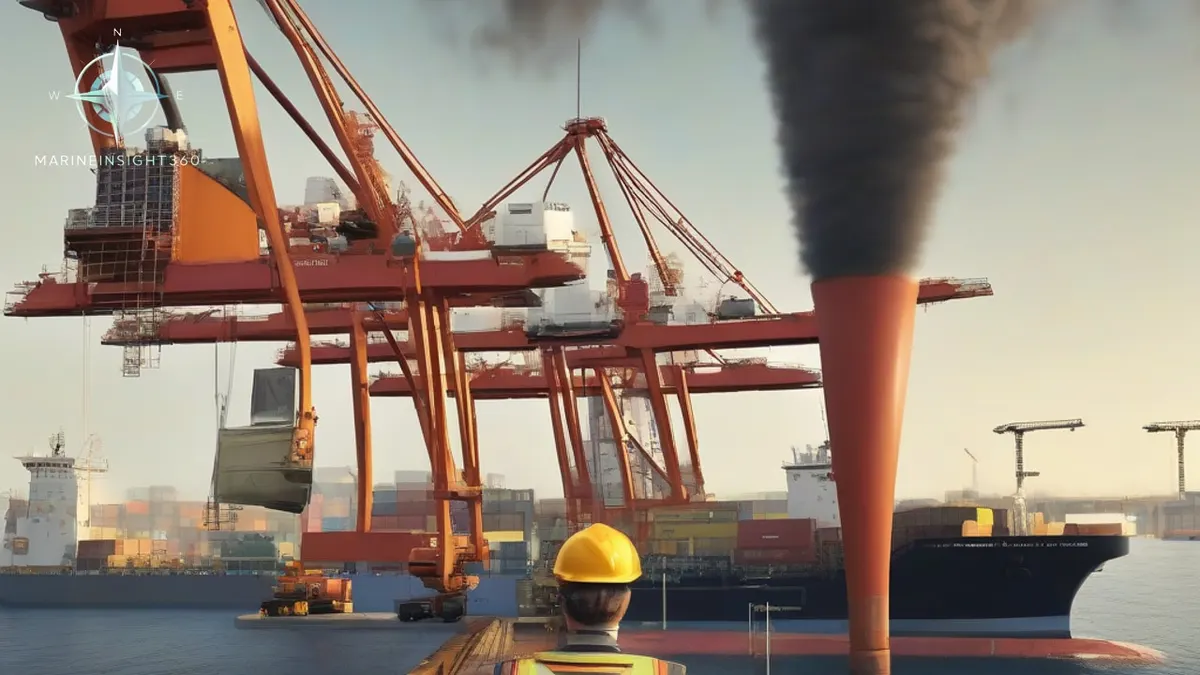
The main risks in charterparties are financial, from unpaid hire, freight or demurrage, plus operational delay, disputed clauses, cargo damage, off-spec bunkers, regulatory breach, war and force majeure, and gaps in insurance cover.
Charterparties are the backbone of commercial shipping. They define the rights, duties, and liabilities of shipowners and charterers—but they also come with significant risks . Misunderstood clauses, operational delays, or market volatility can quickly turn a profitable voyage into a costly dispute.
Here’s a practical, plain-English breakdown of the main risks involved in charterparties and why they matter.
1. Financial Risk
One of the biggest risks in any charterparty is non-payment or delayed payment . Charterers may default on hire, freight, or demurrage, while shipowners still face operating costs like crew wages, bunkers, and maintenance.
Market volatility adds another layer of risk. A sudden drop in freight rates can make a long-term charter unattractive, while rising bunker prices can seriously affect voyage profitability.
2. Operational and Delay Risk
Delays are common in shipping—and expensive.
Risks include:
- Port congestion
- Berth unavailability
- Cargo readiness issues
- Weather-related delays
Disputes often arise over laytime and demurrage , especially when charterparty wording is unclear. Even small ambiguities can lead to large claims.
3. Legal and Contractual Risk
Charterparties are complex legal documents. Poorly drafted clauses or misunderstood terms can expose parties to serious legal risk.
Common problem areas include:
- Off-hire clauses
- Speed and consumption warranties
- Safe port and safe berth clauses
- Cancellation clauses
If disputes escalate, arbitration or litigation can be time-consuming and costly.
4. Cargo Risk
Damage, loss, or contamination of cargo is another major concern. Responsibility can vary depending on the type of charter and the wording used.
Disagreements often arise over:
- Cargo handling responsibilities
- Loading and discharge operations
- Stowage and securing
Cargo claims can involve multiple parties, increasing complexity and financial exposure.
5. Bunker and Fuel Risk
Fuel-related risks are increasingly important. Issues include:
- Off-spec bunkers
- Incorrect fuel quantities
- Fuel contamination
- Compliance with environmental fuel regulations
Disputes over bunker quality or consumption often lead to operational delays and off-hire claims.
6. Regulatory and Compliance Risk
Shipping is heavily regulated. Failure to comply with international or local regulations can lead to:
- Detentions
- Fines
- Trading restrictions
Charterparties must clearly allocate responsibility for regulatory compliance, especially concerning emissions, ballast water management, and sanctions.
7. Force Majeure and Political Risk
Geopolitical tensions, sanctions, war risks, strikes, and pandemics can disrupt voyages unexpectedly. If force majeure clauses are unclear or insufficient, disputes can arise over liability for delays or cancellations.
Political instability can also affect port safety, insurance coverage, and routing decisions.
8. Insurance and Liability Risk
Inadequate insurance coverage or unclear allocation of liability can expose parties to major losses. Problems arise when:
- Risks are not properly insured
- Responsibilities overlap or conflict
- Claims fall between owner and charterer policies
Clear insurance clauses are essential to reduce uncertainty.
Which standard form you are arguing about
Charterparty risk is mostly allocated by the form the parties adopted. Voyage fixtures usually sit on GENCON, time charters on NYPE, and tanker business on SHELLVOY or SHELLTIME. BIMCO publishes GENCON together with the rider clauses that carry the hardest risks, including its war risks and sanctions wording. Which edition is in play matters, because clause numbering moves between editions and so does the burden of proof.
When laytime actually starts
Most demurrage disputes turn on the notice of readiness rather than on the delay itself. Under a berth charter the ship is not an arrived ship until she is at the berth. Under a port charter she arrives once she is within the port and at the charterer's immediate and effective disposition, the test the House of Lords set in The Johanna Oldendorff. A whether in berth or not clause pushes waiting time back onto the charterer.
The sample that settles a bunker claim
Off-spec bunker arguments are decided by the retained sample, not by the bunker delivery note. MARPOL Annex VI Regulation 18 requires a representative sample of the fuel delivered to be sealed, signed and kept on board for twelve months. Bunker clauses normally reference the ISO 8217 specification and name the testing laboratory. Where the sampling point or the seal numbers are disputed, the claim usually fails on evidence rather than on the fuel.
Final Thoughts
Charterparties are essential—but they are not risk-free. Financial exposure, operational delays, legal disputes, and regulatory challenges all require careful drafting, strong risk assessment, and clear communication between parties.
The best way to manage charterparty risk is through:
- Well-drafted contracts
- Professional legal and commercial advice
- Accurate voyage planning and documentation
Handled correctly, charterparties can be powerful commercial tools. Handled poorly, they can become costly lessons.
Recommended Reading
How to Minimize the Risks of an Electrical Shock on a Ship?
How to Minimize the Risks of an Electrical Shock on a Ship?: safety, training and compliance context for US, UK, Canada, Australia, Singapore and...
US Plans 100% Tariffs On Chinese-Made Port Cranes To Tackle Security Risks
In a significant move to bolster national security and reduce reliance on Chinese manufacturing, the United States Trade Representative (USTR) has…
What Is The Main Purpose Of The Bulbous Bow?
What Is The Main Purpose Of The Bulbous Bow?: career, certification and hiring context for US, UK, Canada, Australia, Singapore and European maritime...