
US Plans 100% Tariffs On Chinese-Made Port Cranes To Tackle Security Risks
In a significant move to bolster national security and reduce reliance on Chinese manufacturing, the United States Trade Representative (USTR) has…
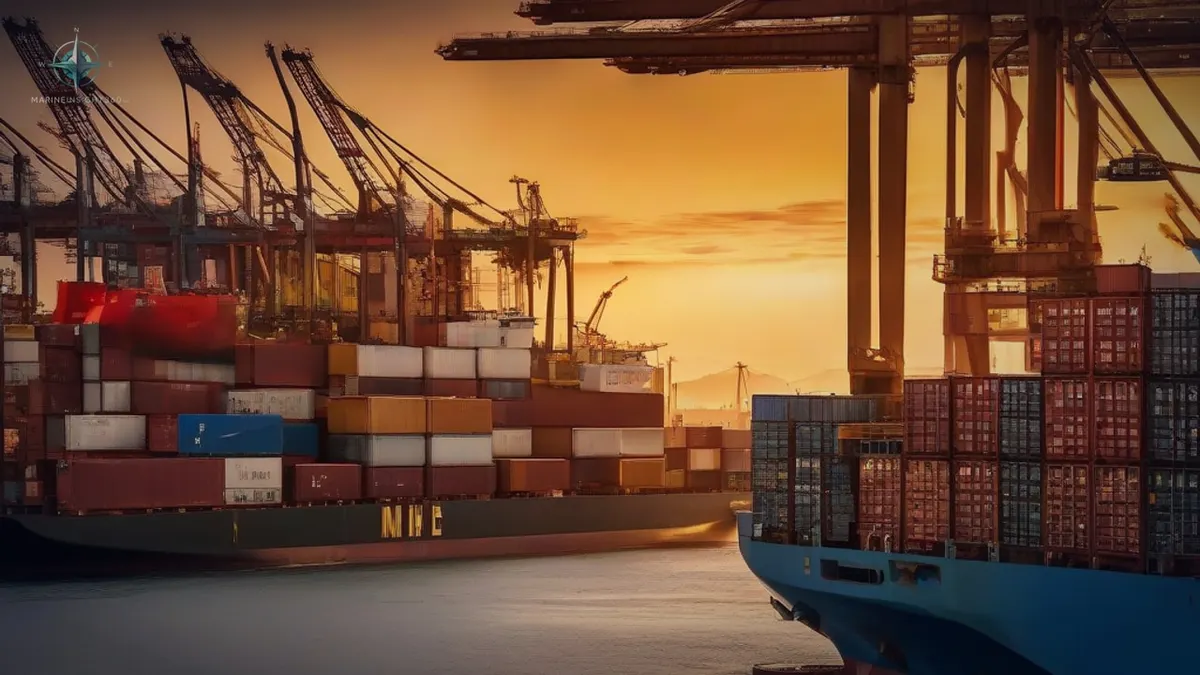
The United States Trade Representative (USTR) has proposed tariffs of up to 100% on Chinese-made port cranes, the ship-to-shore (STS) cranes US terminals use to move containers. The proposal follows a Section 301 investigation that found China's dominance in producing the equipment leaves the US maritime supply chain vulnerable.
The investigation revealed that Chinese companies, particularly Shanghai Zhenhua Heavy Industries (ZPMC), supply a significant portion of STS cranes used at U.S. ports. Concerns have been raised about potential cybersecurity risks, including the possibility of surveillance or remote manipulation of these cranes, given ZPMC's ties to the Chinese government.
The proposed tariffs aim to encourage the development of domestic alternatives and protect critical infrastructure from potential foreign interference. However, industry stakeholders have expressed concerns about the financial impact of such tariffs, noting that replacing existing equipment could be costly and time-consuming.
This initiative is part of a broader strategy by the U.S. government to address national security risks associated with foreign control over critical infrastructure and to promote domestic manufacturing capabilities.
Risk context
chinese-made port cranes should be read as a practical maritime issue, not as loose background information. The useful question is what it changes for safety, compliance, voyage planning, maintenance, training, cargo work or commercial decisions.
Why this matters
Chinese-Made Port Cranes matters because maritime decisions rarely sit in one department. A route story may affect insurance, crew planning and cargo timing. A machinery topic may affect maintenance, safety permits and spare-part planning. A career question may affect training, documents and joining readiness.
Operational context
In daily maritime work, chinese-made port cranes should be compared with vessel type, flag requirements, company procedures, port expectations, cargo risk and crew competence. The same topic can look different on a container ship, bulk carrier, tanker, offshore vessel, training ship or shore-side logistics desk.
Evidence and trust signals
A useful maritime article should show where the reader needs evidence, even when the page is an explainer rather than a breaking-news report. Look for dates, vessel context, source attribution, regulatory references, equipment details, route names, job requirements or operational constraints that can be verified.
Readers should also avoid comparing markets too loosely. Requirements and expectations in the United States, United Kingdom, Australia, Canada, Singapore and Europe can differ from other regions, especially in careers, port compliance, insurance and safety reporting.
How to use this guide
Use this guide to frame the right questions before going deeper. If chinese-made port cranes affects your vessel, crew, course, job application, port call, cargo movement or procurement decision, write down what must be verified, who owns the action and which record proves the answer.
For related reading, continue through the maritime markets hub and connect this page with nearby topics. Internal linking helps readers move from background context to practical guidance without losing the thread.
Recommended Reading
The Importance of Port Security
Introduction: Why Port Security Can No Longer Be an Afterthought Every single day, more than 90% of the world's traded goods pass through ports. These...
Types of Port Cranes
The use of cranes is believed to date back to 3000 BC. The earliest known crane, called a "shaduf," was used to draw water from lakes and rivers to…

Commercial Port Security Management
Commercial Port Security Management: ports, trade and shipping-market context for US, UK, Canada, Australia, Singapore and European maritime readers.