
Merchant Mariner Credential: The Document a US Sea Career Runs On
What the Merchant Mariner Credential is, who needs it, the TWIC, medical and drug-test requirements, entry-level ratings, and how officer endorsements work.
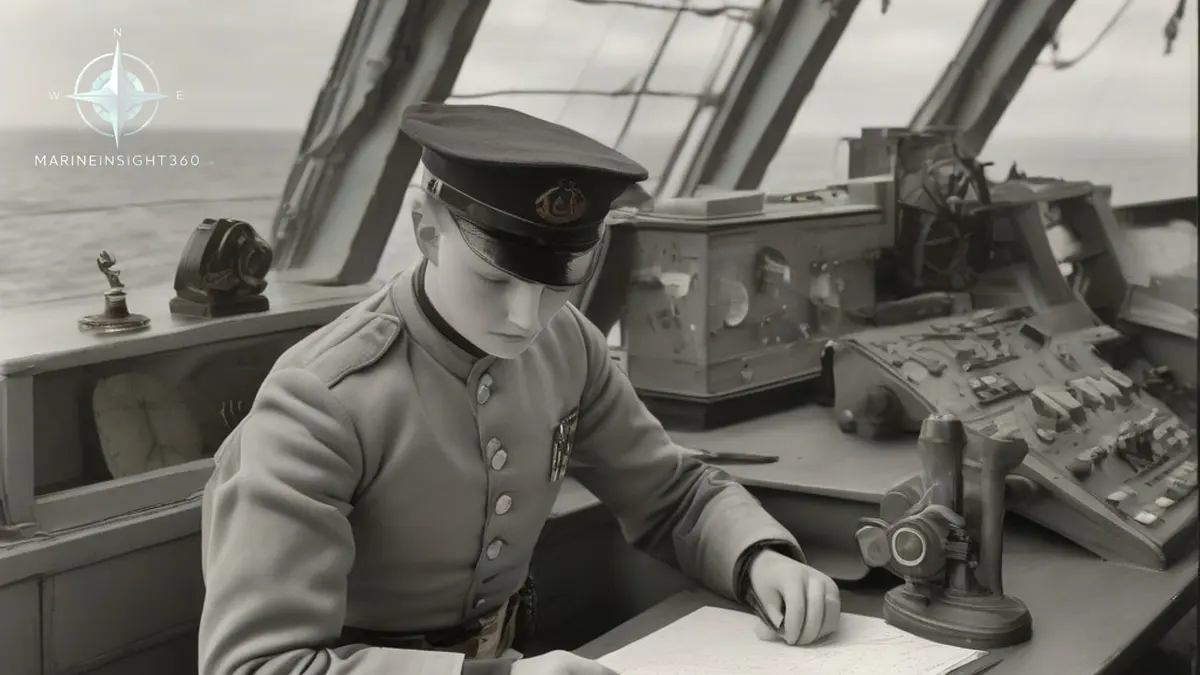
The Merchant Mariner Credential, or MMC, is the US Coast Guard document that qualifies you to work on American commercial vessels. It looks like a small red passport, and inside it lists your ratings and endorsements, the specific jobs you are allowed to hold at sea.
The MMC consolidated what used to be several separate papers, the license, the merchant mariner's document and the certificate of registry, into one credential. Every deck officer, engineer, able seaman and steward on a US-flag ship carries one, which makes it the single gateway document of the American merchant marine.
Who Needs an MMC
Anyone employed aboard most inspected commercial vessels flying the United States flag: tankers, container ships, tugs above a size threshold, passenger vessels and the government-owned reserve fleet. Shoreside port workers do not need one, and neither do crew on many small uninspected boats, but if your paycheck comes from working a documented merchant ship, the credential is the law of the trade.
The Entry-Level Path
You do not need experience to start. An entry-level MMC with ordinary seaman, wiper or steward's department ratings requires no sea time at all, and it is how newcomers get their first shipboard job. The working requirements are:
- A TWIC card: the TSA security credential comes first, since the Coast Guard relies on its background check.
- An application: the CG-719B form, filed with the National Maritime Center.
- A medical certificate: a Coast Guard-approved physical covering vision, hearing and general fitness.
- A drug test: a negative DOT-standard screen or proof of enrollment in a random testing program.
- The fee: roughly one to two hundred US dollars depending on the endorsements requested.
Processing at the National Maritime Center typically takes a few weeks once the file is complete, and incomplete medical paperwork is the most common cause of delay.
Climbing the Ladder: Ratings and Endorsements
The credential grows with you. Sea service unlocks able seaman and qualified engine ratings. Officer endorsements, third mate or third assistant engineer and upward, require either a maritime academy degree or a long hawsepipe of documented sea time, plus Coast Guard examinations and STCW training certificates in firefighting, survival and first aid. Each step is recorded as a new endorsement in the same red book, and a senior master's MMC reads like a career biography.
Keeping It Valid
An MMC lasts five years, and renewal paperwork can be filed up to eight months early. The medical certificate runs on its own shorter cycle for many mariners, and the TWIC on its own five-year clock, so a working mariner really maintains three expiry dates. Letting any of them lapse means no sign-on, and shipping companies in the United States check all three at the gangway.
Veterans of the trade keep renewals a season ahead, because a ship will not wait for the mail.
Why the System Exists
The credential is how the flag state proves its crews meet international standards. Under the STCW Convention, every trading nation certifies its mariners' training and fitness, and port officials abroad can ask any crew member for their papers. The MMC is the American answer, and its endorsements map directly onto the international ranks a United Kingdom or European officer would recognize instantly.
Quick Answers
- How much does it cost? Typically one to two hundred US dollars in Coast Guard fees, plus the TWIC, physical and drug test around it.
- How long does processing take? A few weeks at the National Maritime Center for a clean, complete application; medical questions add time.
- Do I need a degree? No. Entry ratings need no experience at all, and even officer endorsements have a sea-service route that bypasses the academies.
- What jobs can I take at entry level? Ordinary seaman on deck, wiper in the engine room, or steward's department roles, the traditional first rungs of every seagoing career.
- Where do I apply? Through any Coast Guard regional exam center, with the file processed centrally by the National Maritime Center in West Virginia; most correspondence happens by email.
- Is it valid internationally? It is the US implementation of the international STCW system, so its endorsements travel wherever a US-flag ship does.
What to do next
The MMC is one document in a career kit, and these guides cover the rest:
Recommended Reading
Average Merchant Navy Salary in US & UK
The Merchant Navy offers a thrilling career, blending high seas adventure with competitive salaries and global travel. Whether you’re eyeing a role as a…
Average Merchant Navy Salary in the UK & USA
A UK Merchant Navy salary is determined based on rank position, experience level, ship type, and employment status between private shipping companies and…
Safety Management System (SMS): The Rulebook Every Ship Runs On
What a safety management system is in shipping: the ISM Code framework of procedures, drills, audits and the DPA that turns safety from intention into system.