
STCW Certification: What It Is, the Five Basic Courses, and How to Get It
STCW certification is the international training standard every seafarer needs. The five basic safety courses, what they cost, renewal rules, and how to start.
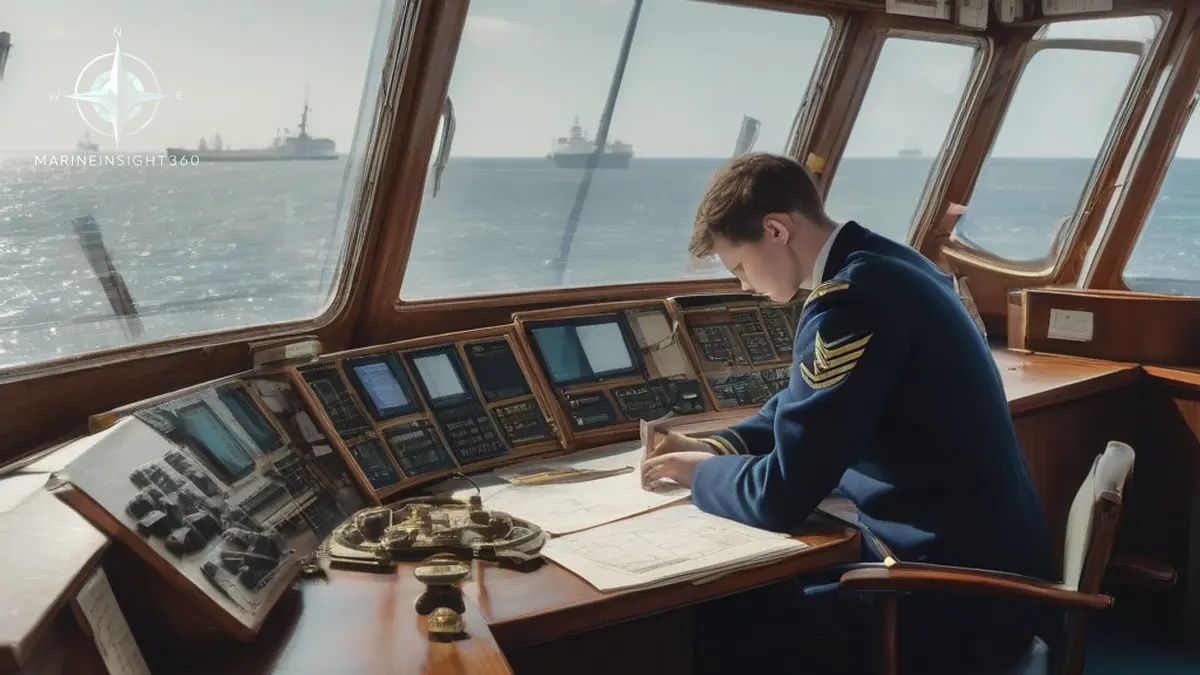
STCW certification is proof that a seafarer meets the international minimum standard of training for working at sea. STCW stands for Standards of Training, Certification and Watchkeeping, an IMO convention adopted in 1978 and modernized by the 2010 Manila amendments. No commercial ship trading internationally can sign you on without it.
Think of it as the sea's common passport of competence. A flag state issues your documents, but the standard behind them is the same whether you trained in the United States, the United Kingdom or the Philippines, which is exactly the point: every crew member on a ship, from any country, has passed the same safety floor.
The Five Basic Safety Courses
Entry-level STCW basic training, often called Basic Safety Training or BST, is a package of short courses that everyone takes before their first ship:
- Personal Survival Techniques: abandoning ship, liferafts, survival in the water.
- Fire Prevention and Fire Fighting: live firefighting with real heat, smoke and breathing apparatus.
- Elementary First Aid: the immediate response before a medically trained officer takes over.
- Personal Safety and Social Responsibilities: shipboard safety culture, pollution rules and working relationships; recent updates add training on preventing bullying, harassment and assault.
- Security Awareness: the ISPS-code layer covering piracy, stowaways and port security.
The package typically takes one to two weeks full-time at an approved maritime school. Costs vary by country and school; in the United States and United Kingdom, plan on the high hundreds to a couple of thousand dollars for the full basic set.
Beyond Basic: How the System Scales
Basic training is only the floor. Deck and engine officers add STCW competency certificates for their rank, tankermen add dangerous-cargo endorsements, and crews on passenger ships add crowd and crisis management. Each step pairs classroom courses with documented sea service, and each is recorded by your flag state. In the United States, the Coast Guard folds these endorsements into the Merchant Mariner Credential; in the United Kingdom, the MCA issues the equivalent certificates.
Renewal: The Five-Year Clock
Most STCW safety certificates must be revalidated every five years. Survival and firefighting refreshers prove you can still do the physical parts, and expired paperwork means no sign-on, because port state inspectors and vetting officers check dates at the gangway. Working mariners treat the renewal calendar with the same respect as a passport expiry, and the smart ones book refresher courses a season early rather than gambling on a last-minute slot.
How to Actually Get Started
Pick an approved school first: your flag state publishes the list of accepted training providers, and an unapproved certificate is worthless. Book the basic package as one block if you can, since schools discount the bundle and the courses flow into each other. Bring a seafarer medical certificate, because schools and employers will ask for it alongside the training record.
And keep every certificate in one folder, physical and scanned, for the rest of your career; recruiters in every port on earth will ask for the same stack of documents.
The Manila Amendments: Why the Standard Feels Modern
The 2010 Manila amendments rebuilt STCW certification for the ships of this century, and their fingerprints are all over a mariner's calendar. Refresher training became genuinely practical: you re-enter the pool and the fire unit every five years instead of signing a form. Rest-hour rules tightened, and the records are inspectable. Security training became universal after the piracy years.
Officer training absorbed the modern bridge and engine room, with electronic chart systems, engine-room resource management and leadership courses joining the syllabus. The convention keeps evolving; the newest additions address bullying and harassment prevention, a sign the standard now covers how crews treat each other, not only how they fight fires. A certificate earned decades ago and never refreshed simply does not exist in this system, which is precisely what gives the paperwork its value at the gangway.
Quick Answers
- Do I need STCW for yacht work? Yes for nearly all paid crew jobs on commercial yachts over 24 meters; the superyacht industry treats basic training as the entry ticket.
- How long does basic training take? Usually one to two weeks full-time for the five-course package.
- Does it expire? The safety certificates revalidate on a five-year cycle, with practical refreshers.
- Is it the same in every country? The standard is international; the issuing authority and paperwork are national.
What to do next
STCW is one document in the career stack, and these guides cover the rest:
Recommended Reading
TWIC Card: What It Is, Who Needs One, and How to Get It
What a TWIC card is, who must carry one, what it costs, how the TSA background check works, and how mariners and truckers apply for and renew the credential.
Merchant Mariner Credential: The Document a US Sea Career Runs On
What the Merchant Mariner Credential is, who needs it, the TWIC, medical and drug-test requirements, entry-level ratings, and how officer endorsements work.
Difference Between Merchant Navy Ranks and Defense Ranks
If you're fascinated by life at sea and considering a career in the maritime world, you've likely come across two distinct paths: the Merchant Navy and…