
Drake Passage: Where It Is, Why It's So Rough, and What Crossing It Is Like
The Drake Passage is the stretch of ocean between South America and Antarctica, famous as the roughest crossing on earth. Why it rages, and what a trip is like.
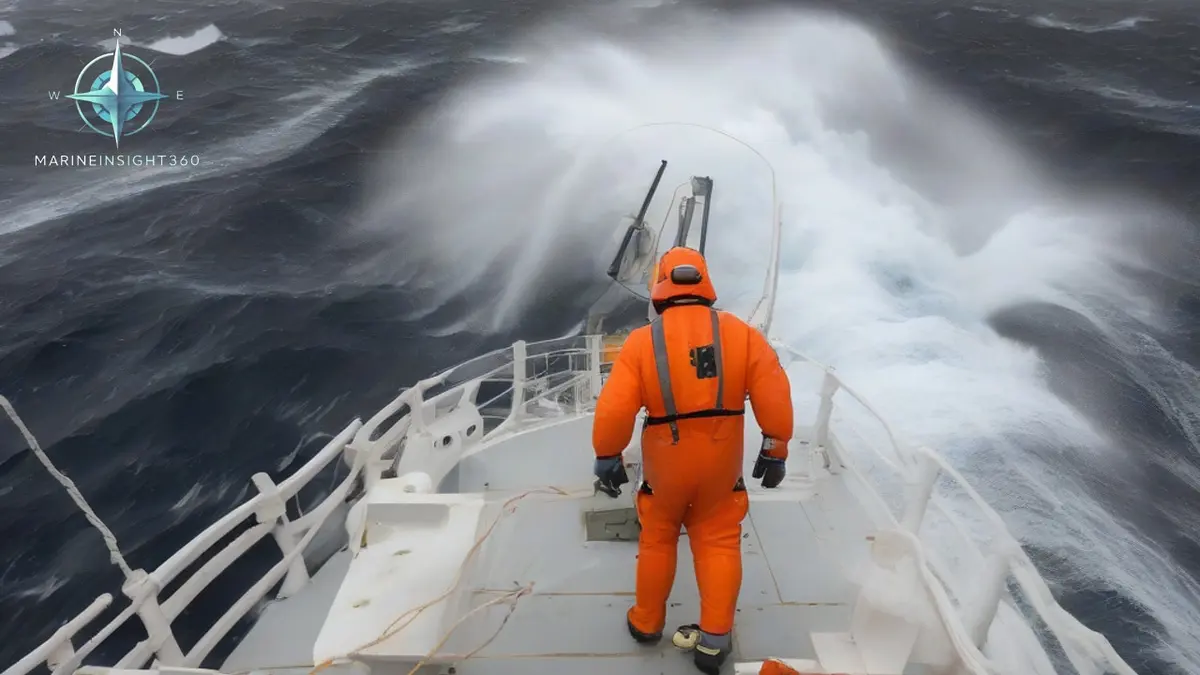
The Drake Passage is the body of water between Cape Horn, at the southern tip of South America, and the South Shetland Islands of Antarctica. It connects the Atlantic and Pacific oceans, spans roughly 800 kilometers, about 500 miles, at its narrowest, and has the honest reputation of being the roughest stretch of ocean on the planet.
Almost everyone who visits Antarctica by ship crosses it, which is why a patch of the Southern Ocean has become one of the most talked-about sea routes in modern travel.
Why This Water Is So Violent
The physics are simple and merciless. At this latitude, no continent interrupts the ocean anywhere on earth: water and wind race around the globe without a landmass to slow them. That flow is the Antarctic Circumpolar Current, the largest ocean current in the world, and the passage is its choke point. An enormous volume of water squeezes between two continents only a few hundred miles apart, while the roaring-forties and furious-fifties westerlies pile on from above.
Storms here build waves that regularly top 10 meters, and the worst crossings see more.
Drake Shake or Drake Lake
Travelers meet two versions of the same water. The Drake shake is the famous one: two days of heavy rolling, cabin drawers sliding, and meals served to half-empty dining rooms. The Drake lake is its calm twin, a windless crossing so gentle that passengers feel cheated of the story they came for. Which one you get is weather lottery. Expedition ships watch the forecast windows closely, and modern stabilized vessels handle the shake safely, if not always comfortably.
The Name and the History
The passage is named for Sir Francis Drake, the English privateer whose ship was blown far south of the Strait of Magellan in 1578, proving open water existed below South America. Spanish-language charts often call it Mar de Hoces, honoring the Spanish navigator Francisco de Hoces, who may have sighted it half a century earlier.
Before the Panama Canal opened, this was a highway of world trade, and rounding Cape Horn through these seas was the defining test of the sailing profession. The seabed below is a graveyard of the ships that failed it.
Crossing It Today
Antarctic cruises departing Ushuaia, in Argentina, take roughly a day and a half to two days to cross, each way. Travelers from the United States and United Kingdom make up a large share of the passengers, and the crossing has become part of the product: lectures run between meals, albatrosses shadow the ship, and crossing the passage earns a certain bragging right that a calm flight never will.
For those who want the continent without the waves, fly-cruise itineraries hop the passage by plane to King George Island and board the ship there.
The Living Crossing: What You See Out There
The Drake Passage is not empty water; it is one of the richest wildlife corridors on earth. Wandering albatrosses, the largest flying birds alive, shadow ships for hours without a single wingbeat, riding the same winds that build the waves. Somewhere mid-crossing the ship passes the Antarctic Convergence, the invisible line where cold polar water slides under warmer ocean, and the sea surface temperature drops within hours.
South of that line the water turns biologically Antarctic: krill swarms feed fin and humpback whales, and the first icebergs appear. Naturalists aboard treat the two days as the opening act of the expedition rather than a commute, and passengers who stay out on deck, in the wind, usually collect the best sightings of the whole trip.
Quick Answers
- How deep is it? Mostly several thousand meters, far deeper than the continental shelves on either side.
- How long does the crossing take? Around 36 to 48 hours on a typical expedition ship, each way.
- Is it dangerous? For modern expedition ships, uncomfortable rather than dangerous; for the sailing ships of history, it was the deadliest water on earth.
- Can you avoid it? Yes, fly-cruise options cross by air, trading the experience for two saved days and a settled stomach.
What to do next
The ocean has more extremes worth understanding, and these guides cover them:
Recommended Reading
The Drake Passage: World's Most Dangerous Ocean
The Drake Passage is the world's most rugged sea passage, stretching from the tip of South America to the farthest coast of Antarctica. It is a legend,…
Crossing Currents: The Intricate Dynamics of the Busiest Shipping Route
Explore the captivating world of maritime trade as we delve into the complex interplay of currents, vessels, and global commerce along the busiest…

Russian Navy Augments its Long-Term Presence in English Channel
Explore how the Russian Navy’s increased long‑term deployment in the English Channel could affect shipping routes, security and crew safety.